
UNDIP, Semarang (8/6) – Universitas Diponegoro (UNDIP) continues to strengthen its role in national development by actively participating in the Patriot Expedition Program, an initiative launched by the Ministry of Transmigration of the Republic of Indonesia. Through this program, UNDIP has been selected as one of seven leading universities entrusted in 2025 and 2026 with supporting the transformation of transmigration areas into new economic growth centers based on local potential.
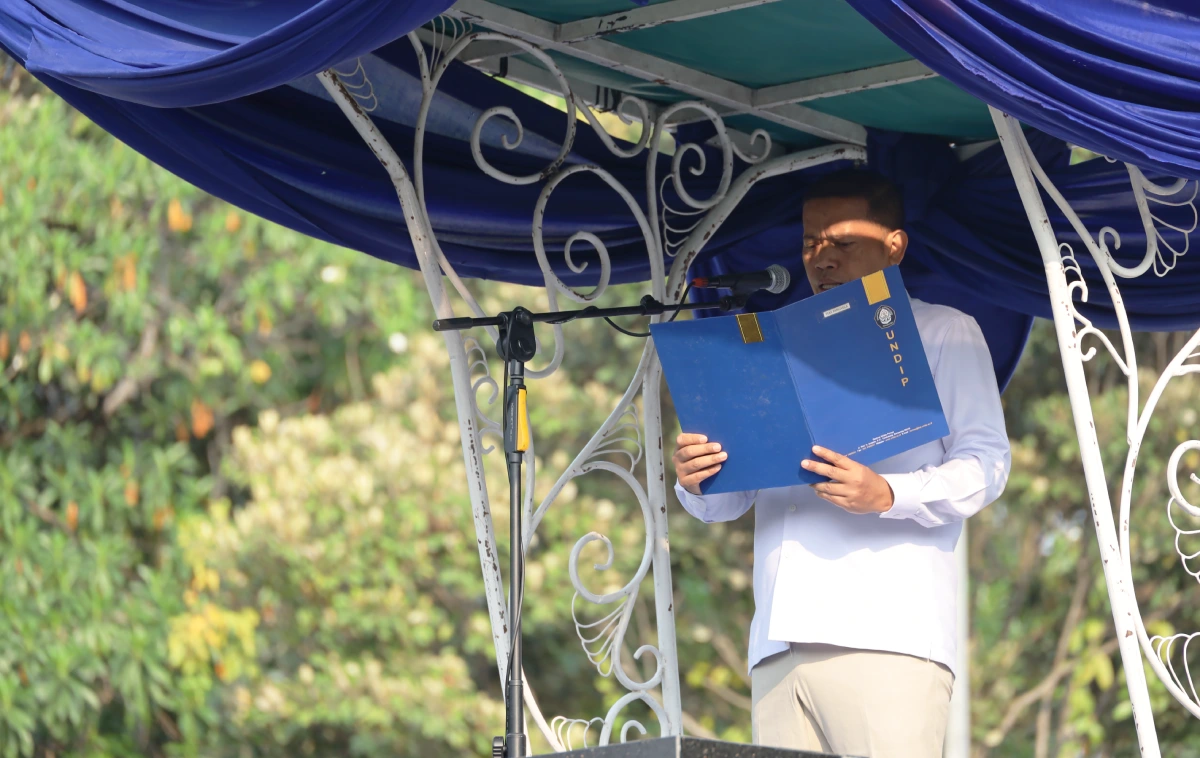
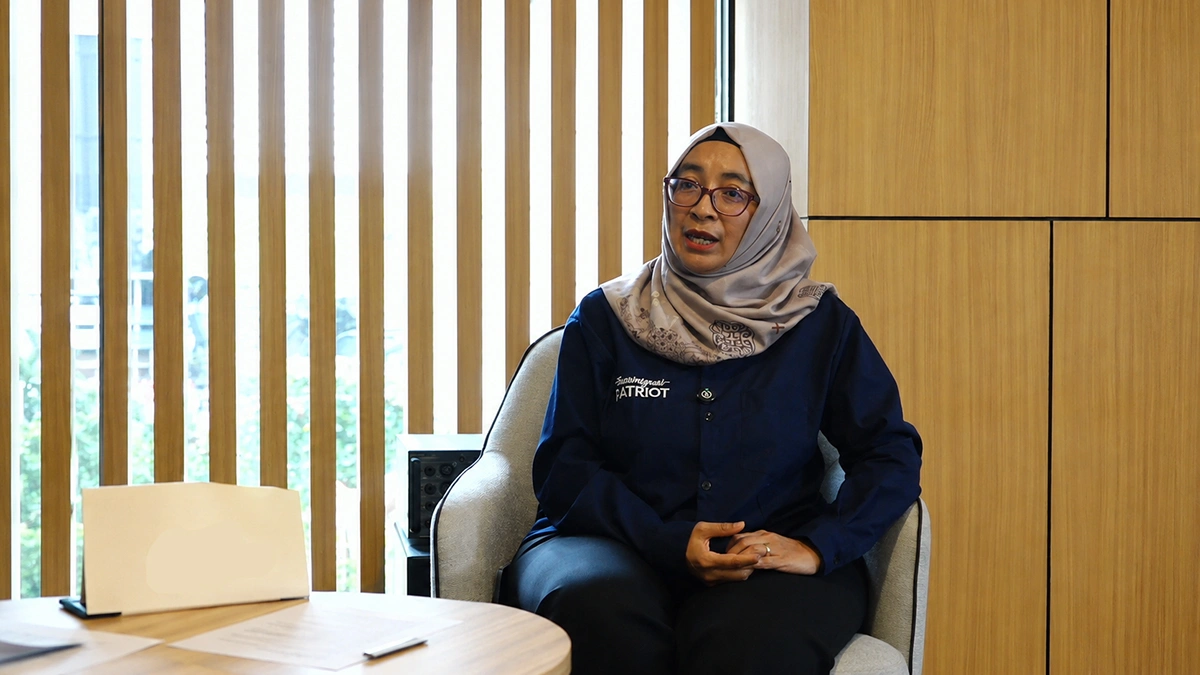
This commitment was highlighted in an inspiring dialogue featuring Prof. Dr.-Ing. Wiwandari Handayani, S.T., M.T., M.P.S., Professor of the Department of Urban and Regional Planning, Faculty of Engineering, UNDIP, who also serves as the Person in Charge (PIC) of the UNDIP Patriot Expedition. She explained that the program provides a tangible platform for the academic community to connect scientific knowledge with the real needs of communities across Indonesia.
The Patriot Expedition was designed to address various challenges faced by transmigration areas, ranging from limited infrastructure to human resource capacity. From the perspective of urban and regional resilience, this approach is considered essential for helping communities adapt, endure, and thrive amid environmental, social, and economic changes.
“The Ministry combines conventional development approaches with the involvement of highly qualified human resources from universities. The goal is to make regional planning more focused so that transmigration areas can grow into new engines of economic development,” said Prof. Wiwandari.
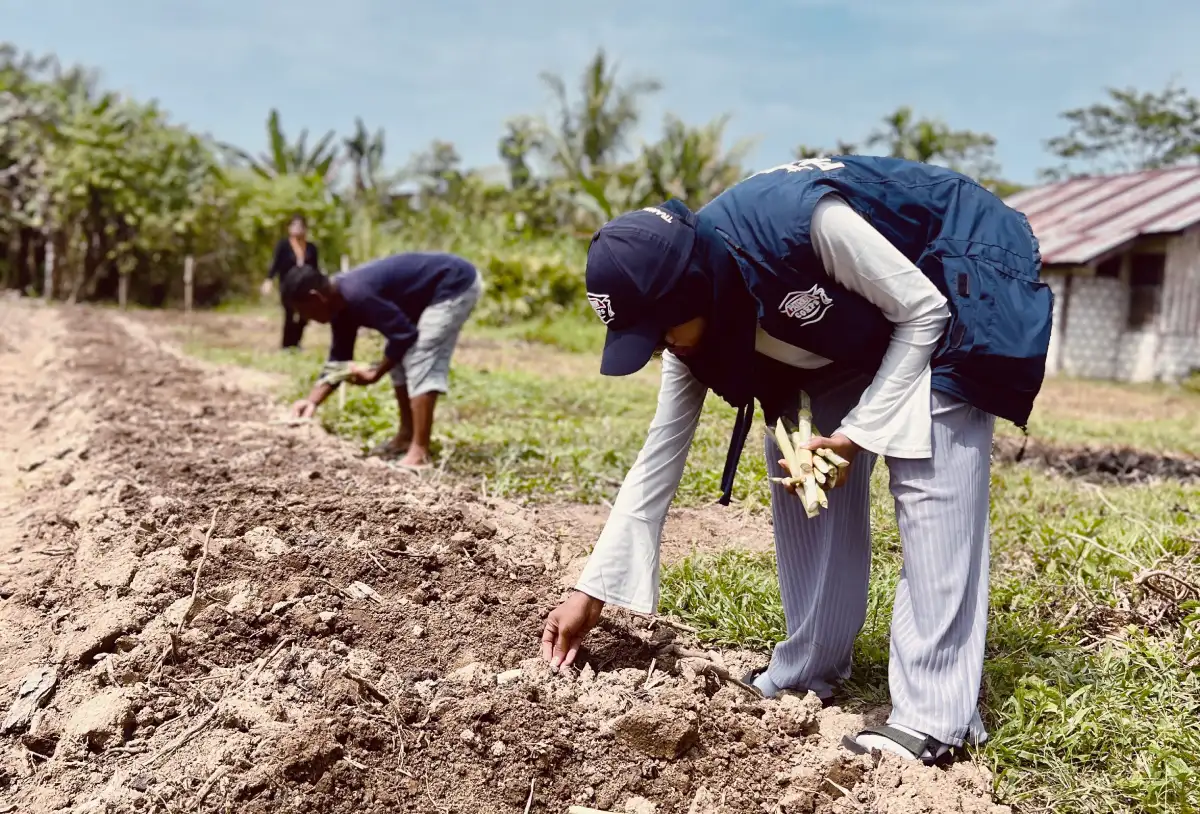
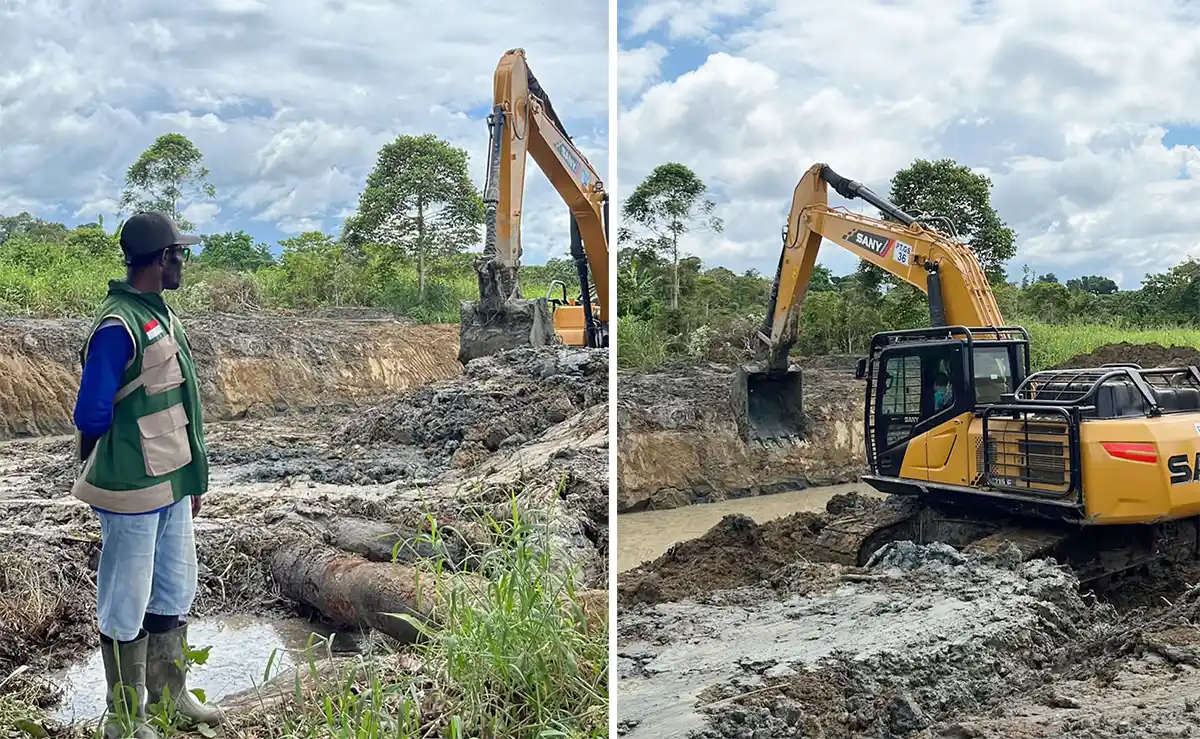
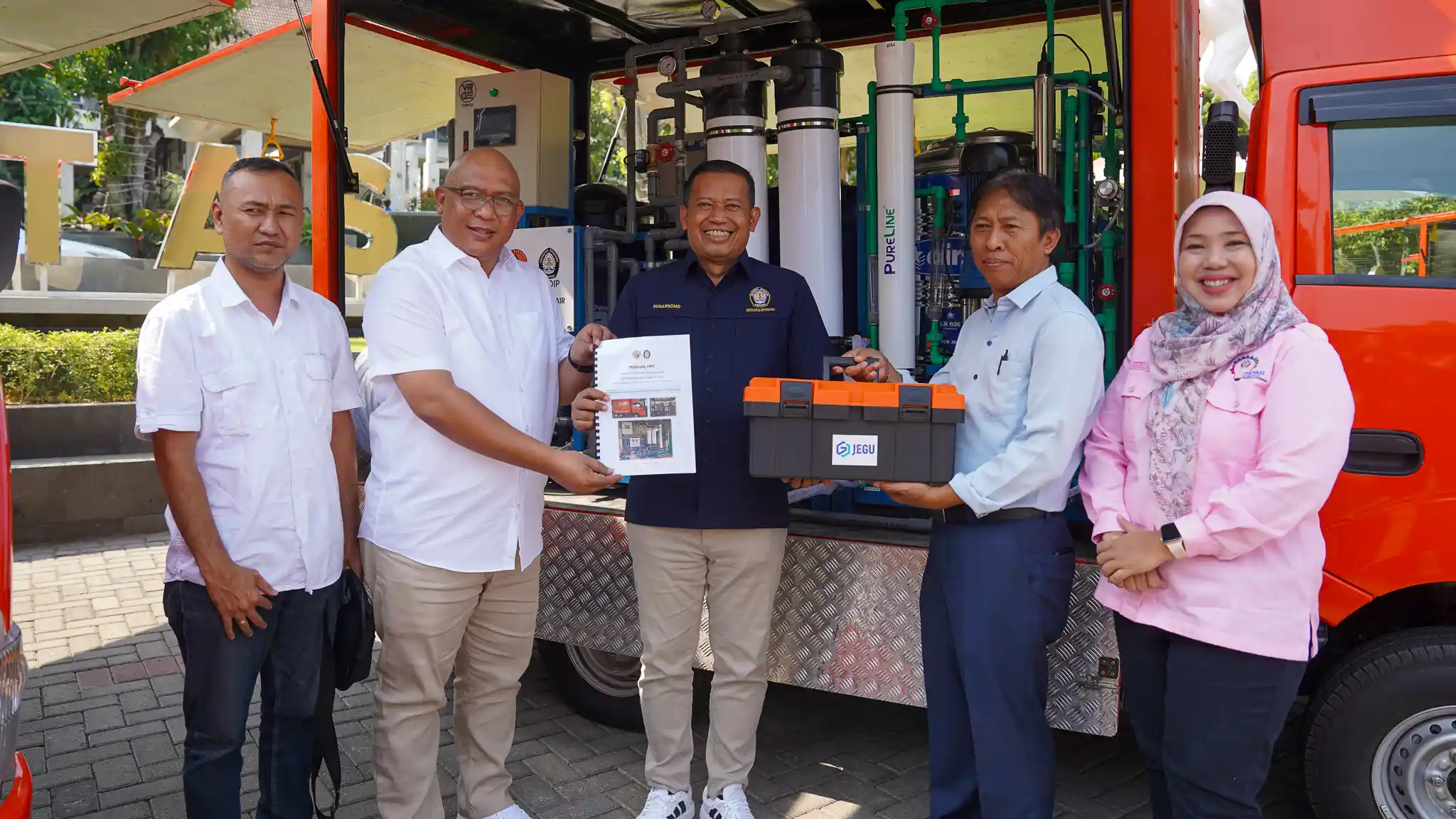
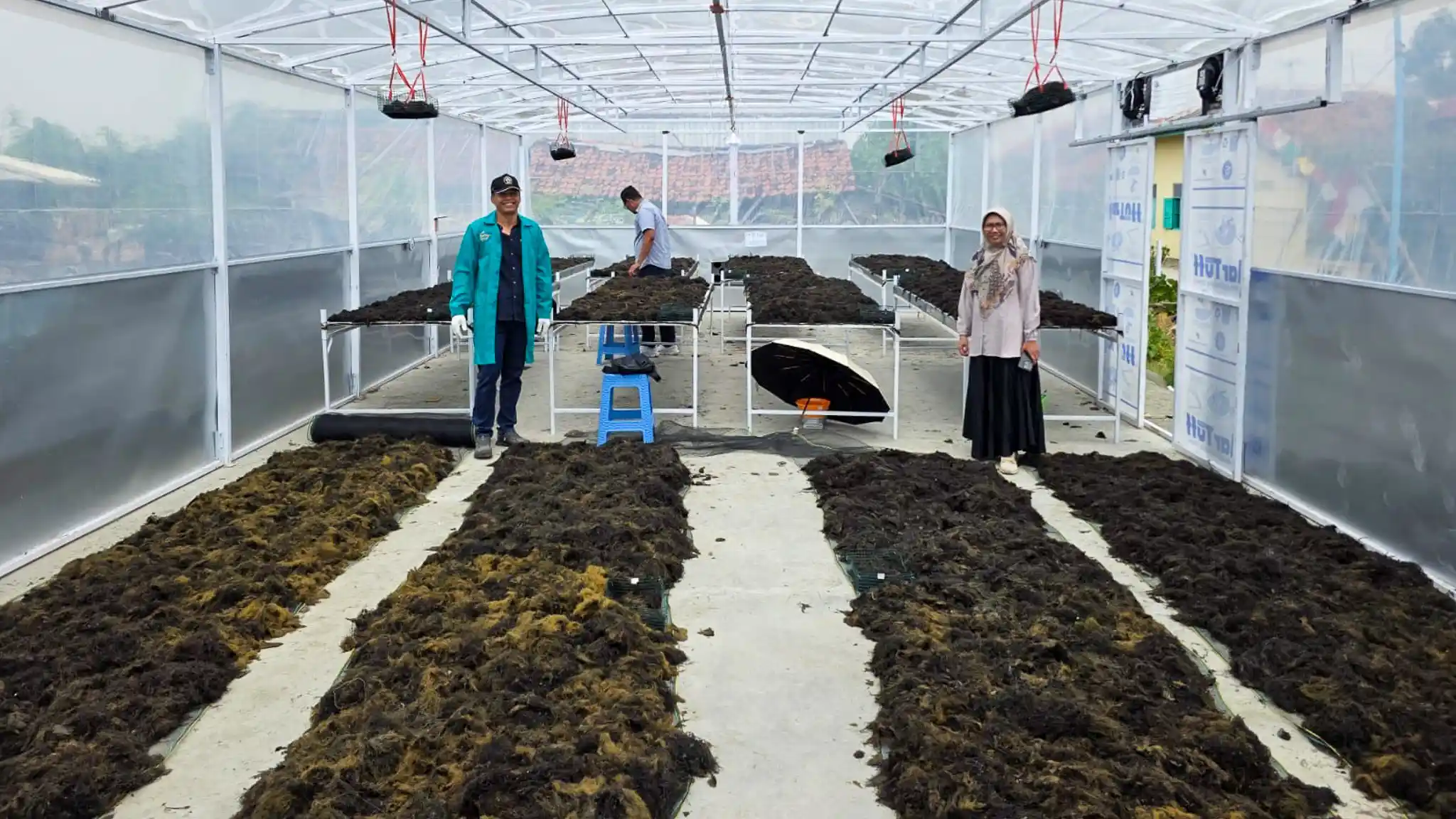
During the 2025 implementation, UNDIP deployed dozens of young research teams consisting of lecturers, alumni, and students. For approximately four months, they lived in the target locations to conduct comprehensive assessments, identify key economic sectors such as agriculture, livestock farming, and fisheries, and evaluate regional development over time. Beyond research activities, the teams also carried out practical interventions, including assisting communities in gaining access to clean water in areas facing shortages.
“The Patriot Expedition assigns one team to each transmigration area. Each team consists of five members: one team leader and four members who may be students, alumni, or young researchers. They stay in the field for around four months to conduct studies, interact with local communities, and provide concrete support according to regional needs, including understanding local conditions, identifying key potentials, and preparing development studies,” Prof. Wiwandari explained.
The government’s trust in UNDIP stems from its long-standing track record in impactful research and community engagement. In the initial phase, 57 teams comprising 285 participants were deployed to regions outside Java, including Aceh, Riau Islands, Bengkulu, Jambi, South Sumatra, Lampung, West Kalimantan, South Kalimantan, Central Sulawesi, West Sulawesi, and East Nusa Tenggara (NTT). This wide distribution demonstrates UNDIP’s contribution across strategic regions of Indonesia.
Field experiences have become invaluable learning opportunities for participants. Prof. Wiwandari shared how monitoring students in remote areas became a profound personal reflection rather than merely a professional assignment. Challenging terrain, dirt roads along cliffs, and the need to use four-wheel-drive (4WD) vehicles became routine realities. Yet these geographical obstacles provided extraordinary learning experiences, enabling students to gain a deeper understanding of Indonesia in all its diversity.
More than an academic activity, the Patriot Expedition serves as a platform for character building and leadership development. Participants learn to work across disciplines, make decisions under challenging conditions, and communicate effectively with local communities. Through this process, they develop a deeper awareness that knowledge must serve as a practical solution while fostering empathy and a stronger sense of national identity.
On this occasion, Prof. Wiwandari stated that the 2026 Patriot Expedition program will feature broader engagement, with a total of 24 teams departing to various strategic areas: 20 teams in Senggi, Keerom, Papua, and four teams in South Sumatra. “Each team is led by a lecturer who passed the proposal selection process based on the continuity of the previous year’s program, and is also strengthened by five members from diverse backgrounds, including students, partners who are UNDIP alumni, and non-partners from outside UNDIP,” she explained. This composition reflects the spirit of cross-community collaboration in addressing real needs in the field.
“Currently, the member selection process is still ongoing through the screening of files and applications. Selected participants will undergo intensive training in July before departing at the end of the same month. Overall, the 2026 Patriot Expedition will involve 120 members and 24 team leaders, demonstrating the concrete contribution of academics and the younger generation in supporting service-based development in various regions of Indonesia,” said Prof. Wiwandari.
UNDIP hopes to produce graduates who are not only academically excellent but also capable of becoming agents of change in society. Active participation in the Patriot Expedition reflects UNDIP’s commitment to ensuring that knowledge generates meaningful impact while supporting the development of independent, resilient, and competitive transmigration communities. The full discussion can be viewed on the official UNDIP TV YouTube channel. (Public Communication/UNDIP/DHW)