
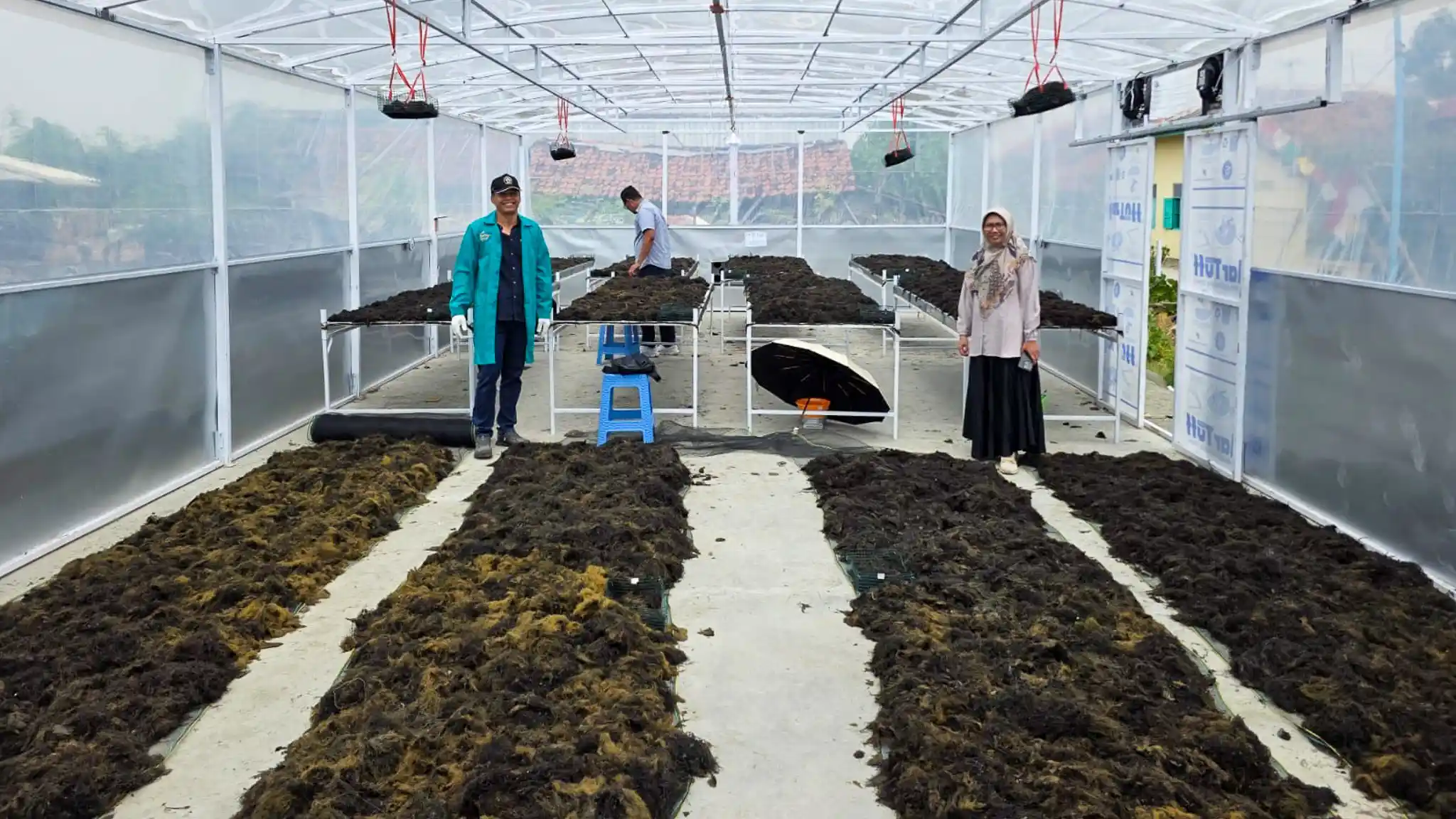
UNDIP, Semarang (26/1) – Universitas Diponegoro (UNDIP) continues to contribute to coastal environmental conservation through various innovations. This time, an UNDIP researcher, Prof. Dr. Ir. Munasik, M.Sc., has developed BHUMI (Bangunan Hunian Rumah Ikan), an eco-friendly artificial fish house made of modular concrete, designed as an alternative solution to help restore marine habitats.
This innovation represents UNDIP’s contribution to addressing increasingly degraded marine environmental issues by responsibly utilizing industrial waste.
As is well known, many waters in Indonesia, including the Java Sea, have experienced severe degradation. The deterioration of coral reefs and their supporting habitats has led to fish losing essential habitat for shelter, spawning, and feeding. Under such conditions, habitat engineering through artificial fish houses becomes one viable approach while waiting for natural restoration processes to take place.
BHUMI is the result of a collaboration between UNDIP and PT Bhumi Jati Power (BJP) as part of a Corporate Social Responsibility (CSR) program. In addition to supporting marine ecosystem recovery, this innovation also responsibly utilizes FABA-based industrial waste, in line with the principles of the circular economy.
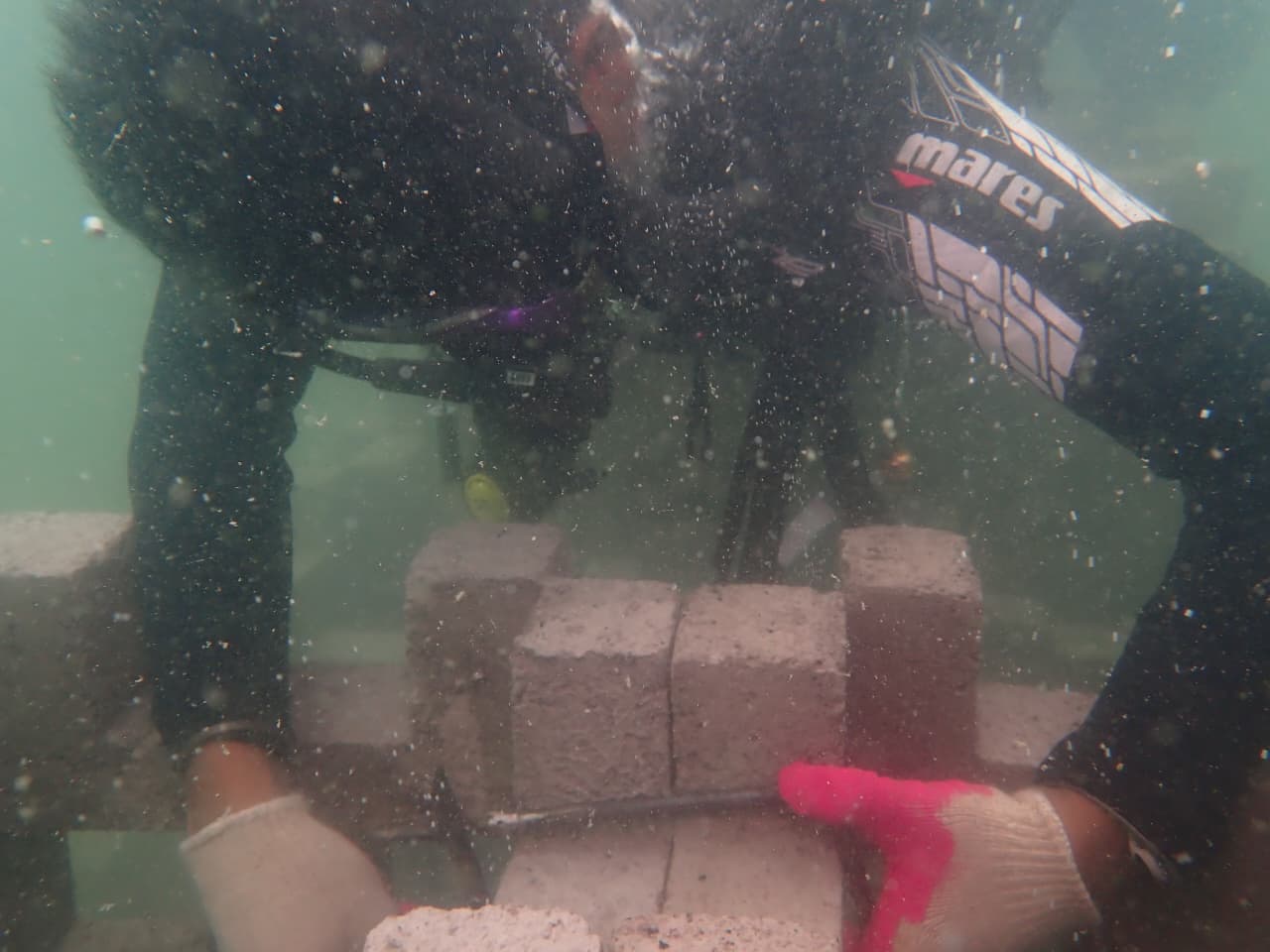
BHUMI trials were conducted at two marine locations in Jepara, namely Teluk Awur (nearshore) and Karang Bokor (approximately 5 km offshore). Monitoring conducted twice in August and October 2025 showed that the artificial fish houses began functioning as living habitats within just two months.
At Karang Bokor, eight BHUMI structures are occupied by hundreds of fish, and biodiversity is continuously increasing. The fish community has also shifted from dominance by small, fast-colonizing species to demersal fish such as snappers and groupers, indicating that the artificial habitat is becoming more stable and complex.
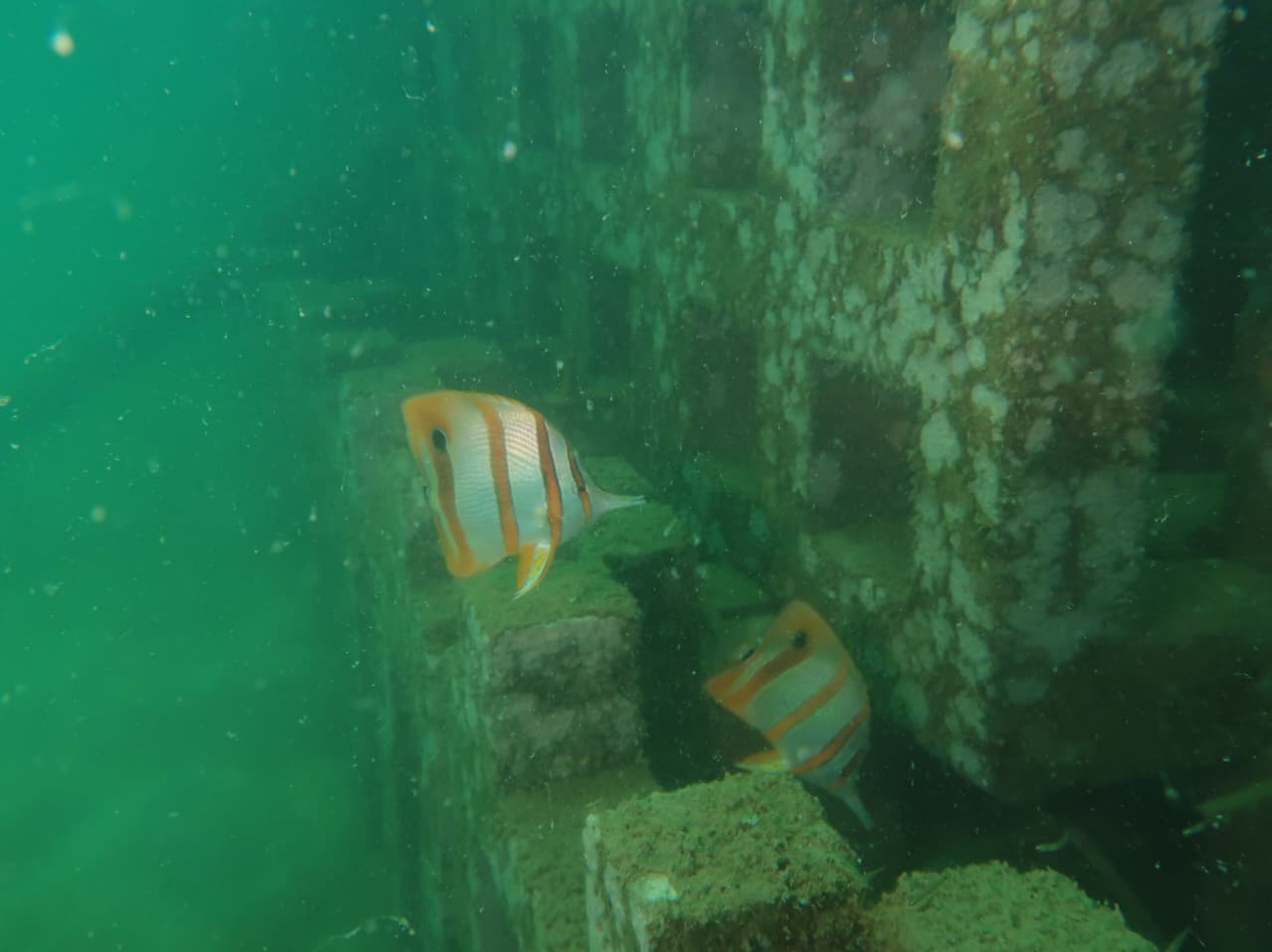
Meanwhile, at Teluk Awur, fish abundance and diversity were lower. However, this site was dominated by juvenile fish, indicating BHUMI’s function as a nursery ground or rearing area for young fish. This contrast highlights that site characteristics strongly influence the ecological response of artificial fish houses. Some fish species observed inhabiting the artificial reef include Pomacentridae and Siganidae, rabbitfish, Lutjanidae (snappers), Chaetodontidae (butterflyfish), and others.
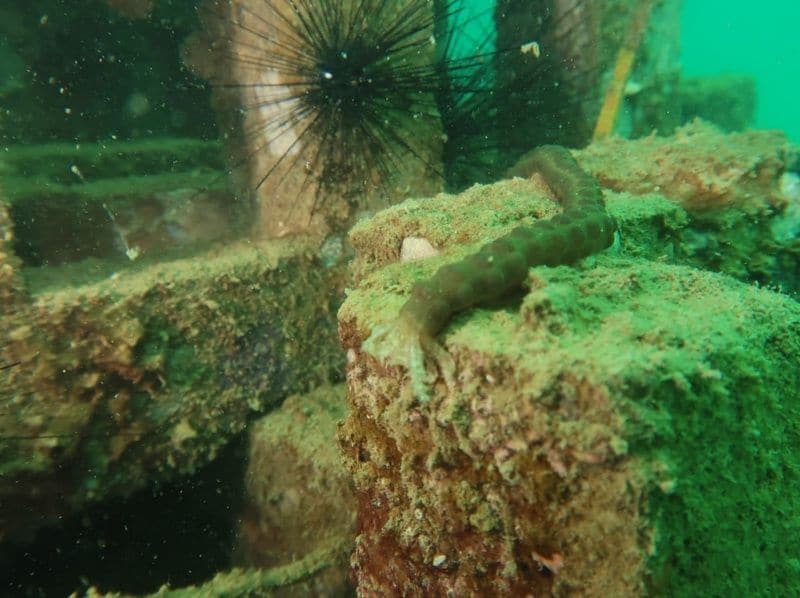
Beyond fish, BHUMI has also begun hosting other marine organisms, such as sea urchins, sea cucumbers, crabs, and nudibranchs, at Karang Bokor. The presence of these sensitive organisms indicates that the microhabitat quality around the structure is relatively stable.
Prof. Munasik explained that this innovation is not intended to replace natural coral reefs. “BHUMI is designed as an ecological bridge. It provides temporary living space for fish and marine biota while waiting for natural recovery processes to occur,” he said.
The differing results between Karang Bokor and Teluk Awur provide important lessons on the importance of data-driven site selection based on oceanographic conditions prior to installing artificial fish houses. “Water quality, water clarity, and the pressure of human activities greatly determine the speed and stability of biota colonization. That is why a science-based approach is essential,” he added.
He also emphasized that the use of FABA concrete in BHUMI demonstrates how industrial waste can become an ecological solution when properly designed. “This is an example of how material innovation, scientific research, and industrial responsibility can go hand in hand,” he said.
Looking ahead, Prof. Munasik stressed the need for medium- to long-term monitoring over 1–2 years to ensure the stability of the formed ecosystem. In addition, managing sea urchin dominance and implementing limited zoning around BHUMI are necessary to allow habitats to develop without excessive fishing pressure.
Through the BHUMI innovation, UNDIP once again demonstrates its role in delivering research-based solutions to address coastal environmental challenges. Synergy among science, innovation, and cross-sector collaboration remains key to achieving healthier, more sustainable Indonesian seas. (Public Communication/UNDIP/Contributor: Munasik / ed. Nurul)