UNDIP, Jepara (19/6) – The successful export of whitebait (teri nasi) to Japan and Singapore by CV Karimun Mina Sejahtera, a partner company fostered by Universitas Diponegoro (UNDIP), demonstrates the competitiveness of local fisheries products in international markets. Behind each export shipment are hundreds of people living along the northern coast of Java (Pantura) who now benefit from income opportunities, employment, and improved livelihoods through a reliable supply chain established through collaboration between UNDIP, industry partners, and local communities.
As of June 2026, CV Karimun Mina Sejahtera has completed nine shipments of whitebait to Japan and Singapore. In collaboration with Marutetsu Co., Ltd., a Japanese fisheries company, UNDIP continues to develop fisheries products for export to Japan. This initiative serves as a tangible example of how international collaboration can generate not only academic contributions but also direct socioeconomic benefits for local communities.
The Rector of Universitas Diponegoro, Prof. Dr. Suharnomo, S.E., M.Si., emphasized that the program’s success is measured not only by export volume but also by its impact on society.
“Universities must be able to create tangible impacts. The success of an innovation should not be measured solely by the number of products exported, but also by the extent of its benefits to society. This program demonstrates how research, technology, and international partnerships can create new economic opportunities for coastal communities,” Prof. Suharnomo stated.
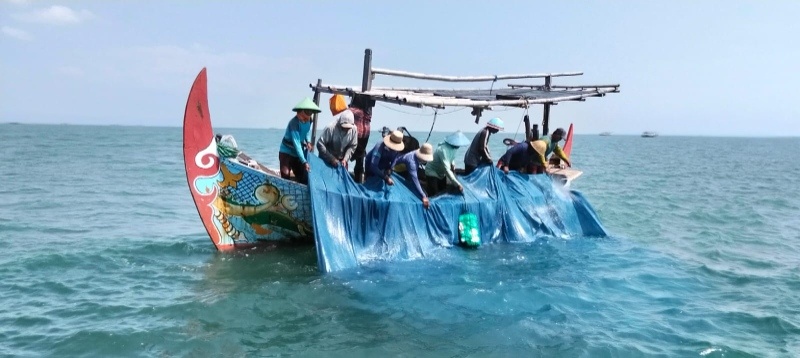
The export program, managed through UNDIP’s Marine Science Techno Park (MSTP) in Jepara, currently involves approximately 100 fishing vessels from a network of 1,200 fishers operating along the northern coast of Java, particularly in Jepara, Kendal, Rembang, and Tuban. Each vessel is operated by about 10 fishers, meaning at least 1,000 fishers receive direct economic benefits from the program.
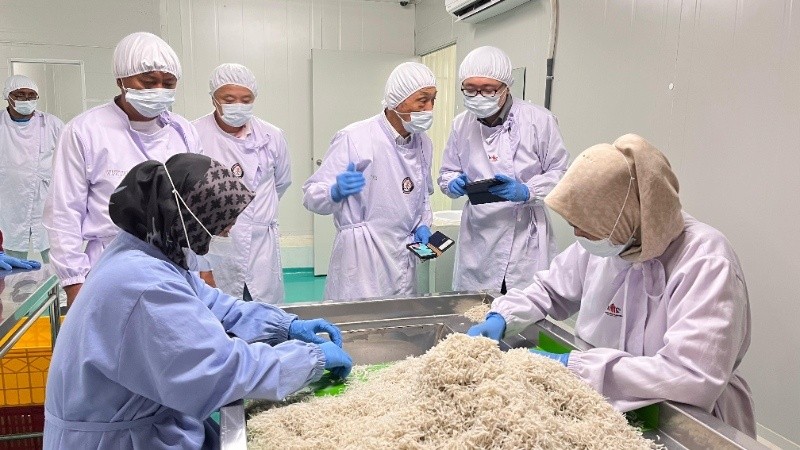
In addition to supporting fishers, the whitebait processing activities employ approximately 200 workers, most of whom are women from coastal communities in the Pantura region. They are involved in sorting, cleaning, drying, and preparing products according to export-quality standards. Another 60 residents participate in fish quality assessment, quality control, and product packaging before shipment to destination countries.
Overall, the program provides direct economic benefits to more than 1,260 coastal community members involved in the supply chain and production processes. One notable socioeconomic impact of the initiative is increased financial independence among community members, enabling many to pay off debts owed to local cooperatives.
One beneficiary of the program is Nasiul Aini, a widowed junior high school graduate who now serves as Production Manager at CV Karimun Mina Sejahtera. She oversees production processes and quality control for export products.
“Alhamdulillah, this job has greatly helped support my family’s economy. I have been able to pay off my cooperative debt, which had long been a burden. I never imagined that I would be trusted to become a production manager and be involved in products exported to Japan and Singapore,” she said.
According to Nasiul, the program not only creates employment opportunities for women in coastal communities but also provides opportunities for learning and professional development through various training programs facilitated by UNDIP.
The impact of the program extends beyond job creation. The sustainability of export activities has established a reliable supply chain that provides fishers with greater certainty in purchasing their catches.
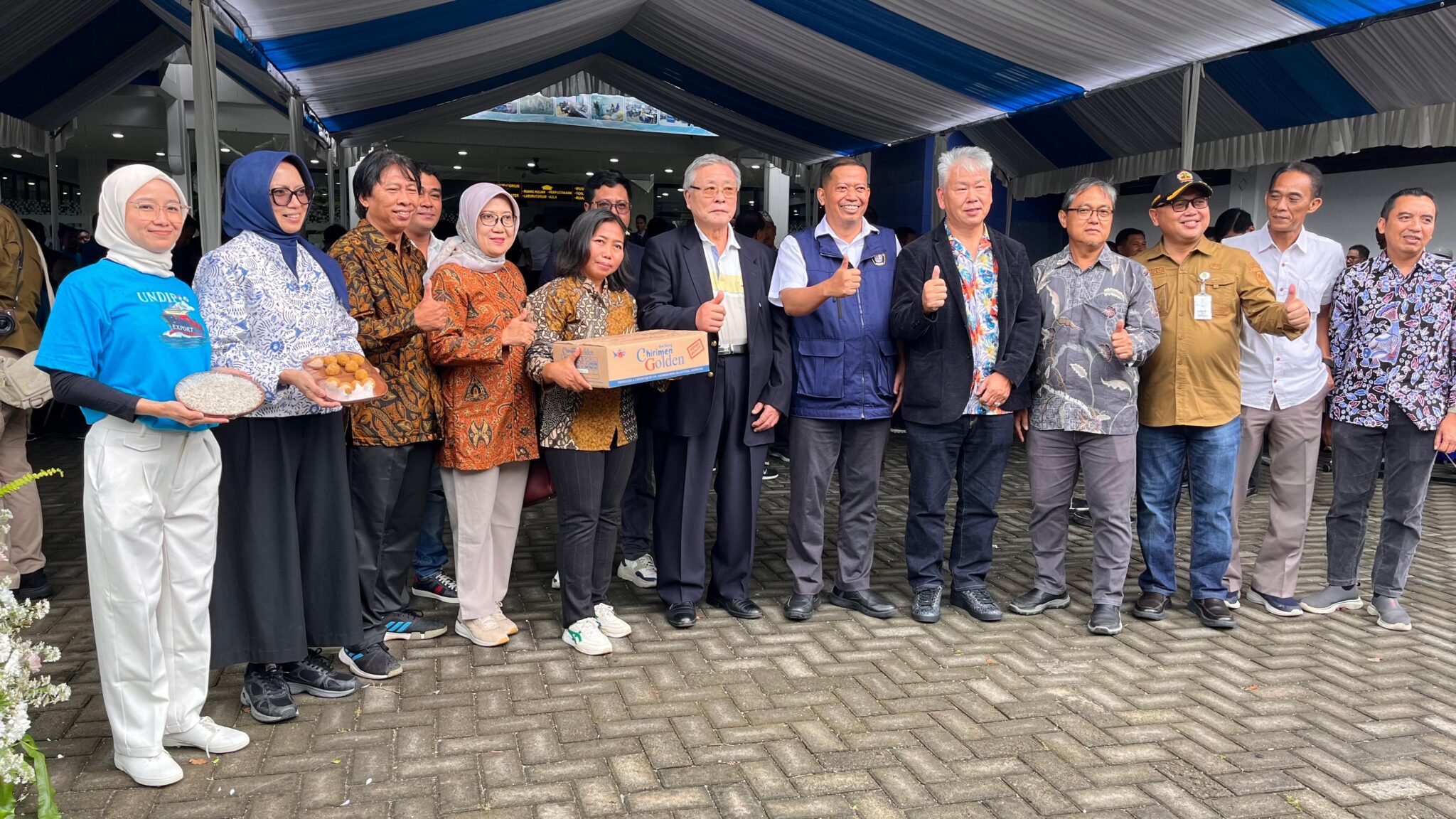
Before the program, fishers’ incomes were highly dependent on daily market conditions and the purchasing capacity of local traders. During peak fishing seasons, fish prices often declined due to limited market absorption. Through the partnership developed by UNDIP, CV Karimun Mina Sejahtera, and international collaborators, fishers now have access to more stable and sustainable markets for their catches.
Dwi Lestari, President Director of CV Karimun Mina Sejahtera, explained that sustained export demand has strengthened the economic ecosystem of coastal communities.
“When export demand remains consistent, fishers gain market certainty, processing workers receive sustainable employment, and coastal communities enjoy more stable economic benefits. This is not merely about exporting products—it is about building a sustainable economic chain,” she said.
The program also contributes to the achievement of the Sustainable Development Goals (SDGs), particularly SDG 1 (No Poverty), SDG 5 (Gender Equality), SDG 8 (Decent Work and Economic Growth), and SDG 14 (Life Below Water) through the development of a sustainable and inclusive fisheries industry. (Public Communication / UNDIP / Nurul)