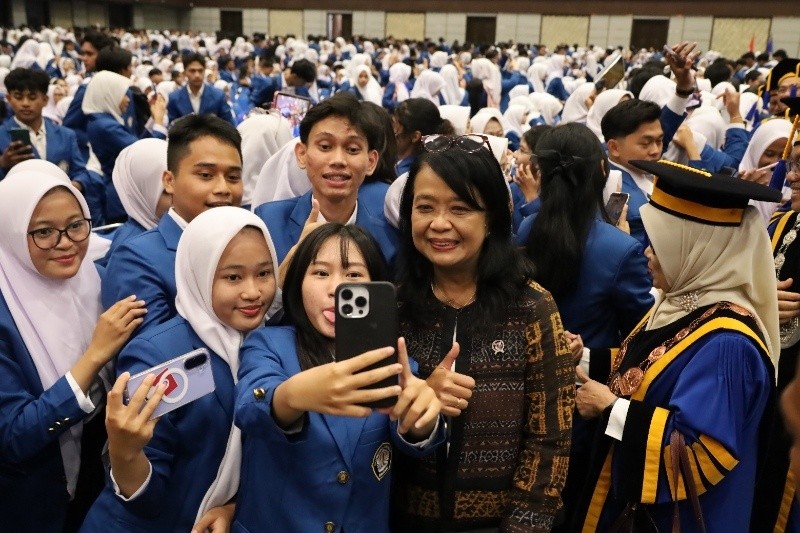
UNDIP, Semarang (8/8) – Entering university is not merely about moving from school desks to lecture halls. It also comes with new responsibilities—to become knowledgeable, principled, and trustworthy individuals. This message was conveyed during a guest lecture by Deputy Minister of Public Works of the Republic of Indonesia, Ir. Diana Kusumastuti, M.T., held at the Muladi Dome Multipurpose Building, UNDIP Tembalang Campus, on Friday, August 7, 2026.
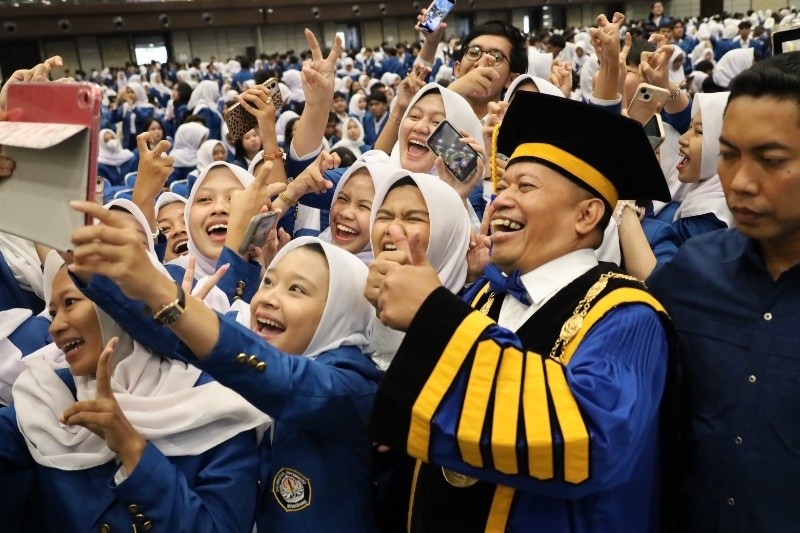
The public lecture, titled “Building a Generation of Integrity through Pancasila Values and an Anti-Corruption Culture,” was a key part of the Open Session of the Academic Senate for the Admission of New UNDIP Students for the 2026/2027 Academic Year, Phase III. Addressing 4,950 Dipo Muda, Diana congratulated them on becoming members of the UNDIP community. She reminded them that their first day at university was not simply the beginning of an academic journey, but also a foundation for developing character, leadership, and integrity as future national leaders. She emphasized that intelligence without honesty, responsibility, and the courage to uphold principles would ultimately lack meaning.
Diana’s presence at UNDIP was particularly meaningful. She returned to the campus that had shaped the early stages of her career as an alumna of the Department of Architecture at the Faculty of Engineering. She is also currently pursuing her doctoral studies at the same alma mater. More than three decades of experience working at the Ministry of Public Works have enriched her perspective on the meaning of education—not merely as a means of acquiring theoretical knowledge, but as a process of shaping ways of thinking and sensitivity to the nation’s challenges.
According to Diana, development cannot be measured solely by the amount of physical infrastructure built. Roads, buildings, water supply systems, and public facilities must deliver tangible benefits, improve quality of life, and continue to account for environmental sustainability. The same principle applies to education, in which knowledge becomes increasingly valuable when accompanied by honesty, responsibility, and a spirit of service.
She encouraged students to understand an anti-corruption culture through matters closest to their everyday lives. According to her, corruption does not always begin with major offenses. Tolerating minor violations, prioritizing personal connections over rules, cheating, or choosing to remain silent when witnessing wrongdoing can all mark the beginning of a decline in integrity.
“Integrity is built through small habits. Being punctual, not cheating, taking responsibility, respecting differences, having the courage to speak the truth, and refusing anything improper, no matter how small,” she said.
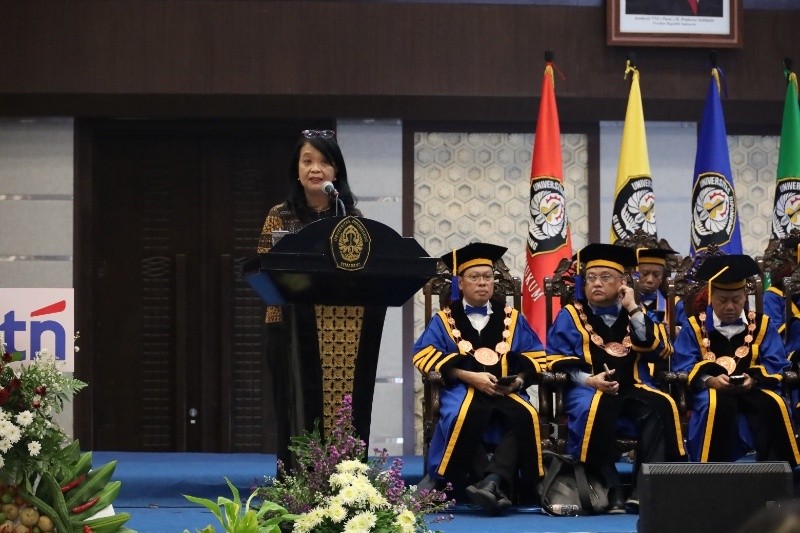
For Diana, transparency, accountability, and innovation are the key foundations for closing opportunities for corrupt practices. At this point, students have a strategic role as agents of change. With their familiarity with technology and high adaptability, young people can introduce breakthroughs to strengthen oversight systems and public transparency. “Technology needs to be used to improve systems and provide benefits, not to create opportunities for abuse,” the Deputy Minister of Public Works emphasized.
Looking toward Indonesia Emas 2045, she reminded students that a nation’s progress is determined not only by grand buildings, integrated transportation systems, or advanced technology. The quality of the people who manage and lead the country is far more decisive. Therefore, academic intelligence must go hand in hand with professional integrity and the courage to stand on the right side. “Smart individuals without integrity will become a threat. Conversely, strong integrity enables knowledge to deliver the greatest possible benefit,” she said.
She also challenged UNDIP students not to hesitate to create concrete solutions. Research, innovation, and community service should focus on addressing real-world challenges, including those related to sustainable development. Close collaboration between academia and government, such as the partnership between the Ministry of Public Works and UNDIP, is crucial to developing human resources capable of generating relevant ideas with broad impact.
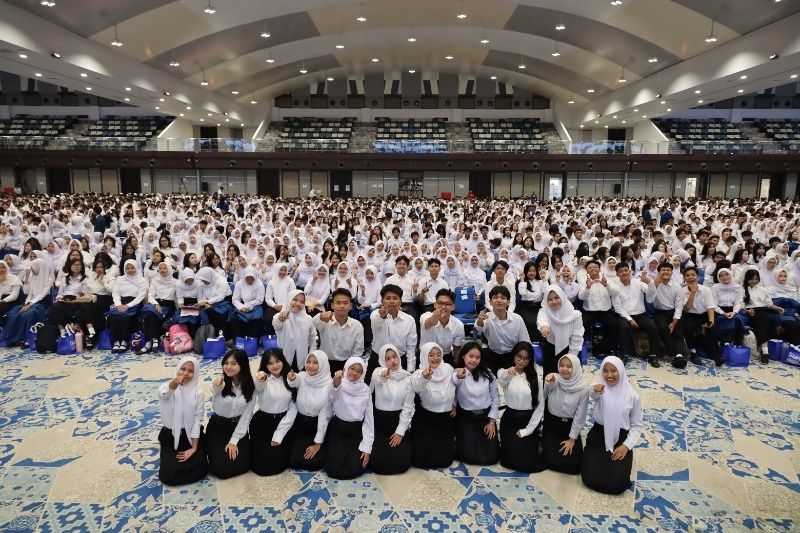
Concluding her address, Diana also encouraged students to make the Pancasila values their compass at every step, while building an anti-corruption culture through simple, consistent decisions. “Indonesia does not lack intelligent people. Indonesia needs more young people who can be trusted,” she emphasized. The message served as a reminder that the university journey is not merely about pursuing a degree, but about preparing to become an outstanding generation that delivers tangible benefits to the nation.
In line with this message, UNDIP Rector Prof. Dr. Suharnomo, S.E., M.Si., reminded students that the opportunity to become part of UNDIP should be appreciated and made the most of. In his remarks, the Rector stated that approximately 16,267 students had been admitted to UNDIP, representing about 4% of all applicants. He also encouraged students to maintain a balance between intellectual ability and attitude throughout their university experience.
Prof. Suharnomo urged students not to stop at the goal of graduating and earning a degree. According to him, university should be a space where students dare to try new things, broaden their networks, participate in student activities, and develop abilities beyond academics. “Thinking small is tiring, and thinking big is also tiring. Choose to think big, and choose what will have a greater impact on yourself and society,” he said. He hoped that whatever professional paths UNDIP graduates eventually pursue, they would always lead to meaningful contributions to the nation.
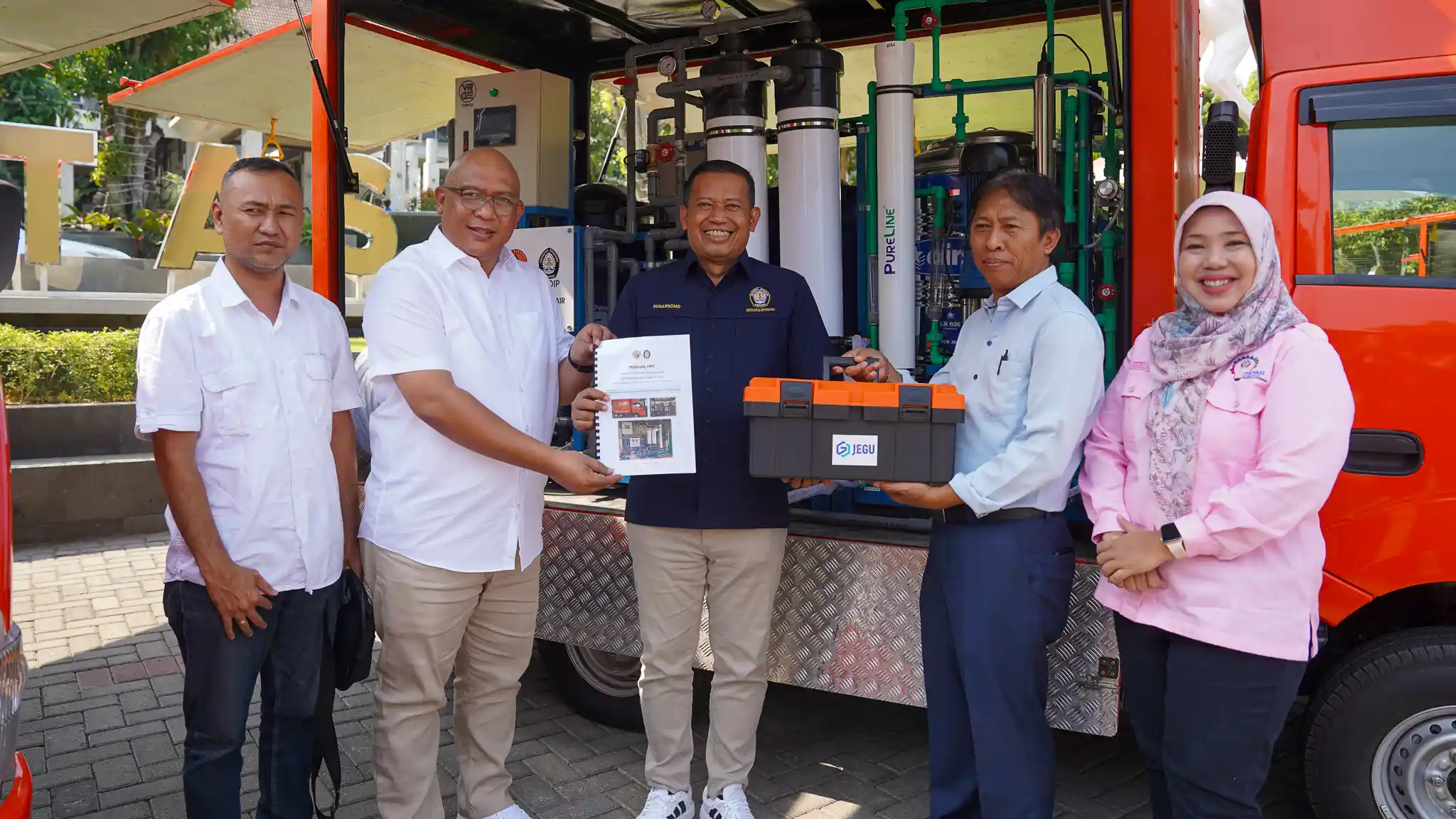
The spirit of creating benefits is also reflected in various innovations by the UNDIP academic community. The Rector highlighted water treatment technology developed by UNDIP and utilized in several areas, including Indonesia’s northern coastal regions and areas facing water availability challenges. Initiatives to pioneer a green and zero-waste campus are also being strengthened as part of UNDIP’s environmental responsibility. For him, the measure of a university goes beyond academic reputation. “The best university is the one that provides the greatest benefit to society,” he concluded. (Public Communication/UNDIP/DHW)