

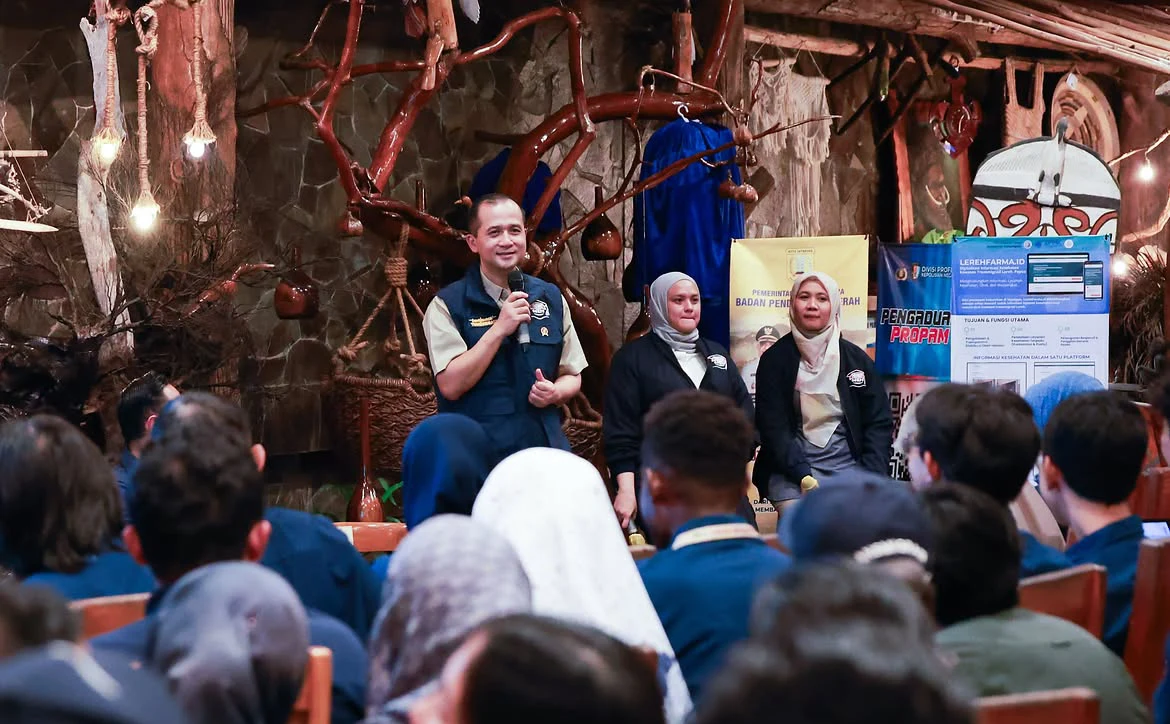
UNDIP, Jayapura (19/9) – The 2026 Patriot Expedition Team Program, initiated by the Ministry of Transmigration, has deployed 1,476 selected students and researchers to 53 transmigration areas across Indonesia. In particular, the program’s implementation in Papua has received attention from the central government. This was reflected in a presentation and discussion of field findings by the Patriot Expedition Teams of Universitas Diponegoro (TEP UNDIP) and Institut Teknologi Bandung (ITB), which was directly attended by Minister of Transmigration Muhammad Iftitah Sulaiman Suryanagara and Coordinating Minister for Infrastructure and Regional Development Agus Harimurti Yudhoyono (AHY) on Thursday (17/9) in Jayapura.
The event opened with remarks from Minister of Transmigration Muhammad Iftitah Sulaiman Suryanagara, who emphasized the importance of research and economic potential mapping that delivers tangible benefits to communities. He highlighted downstream development opportunities in transmigration areas, such as the successful production of fruit leather from tomatoes and chilies in Manokwari to reduce post-harvest waste, as well as the utilization of livestock manure for fertilizer and biogas. Minister Iftitah also appreciated the initiative to build communication towers to support regional digitalization and strengthen connectivity in remote areas.
The main agenda continued with a presentation by representatives of TEP UNDIP assigned to Keerom Regency, covering Senggi District and Yaffi District. The team’s approach was divided into five key outputs: physical facilities, digital systems, organizational institutions, educational modules, and recommendations/policies. In the fields of digitalization and mitigation, the team proactively mapped disaster hazards, basic services, and land management, which were then integrated into a WebGIS platform.
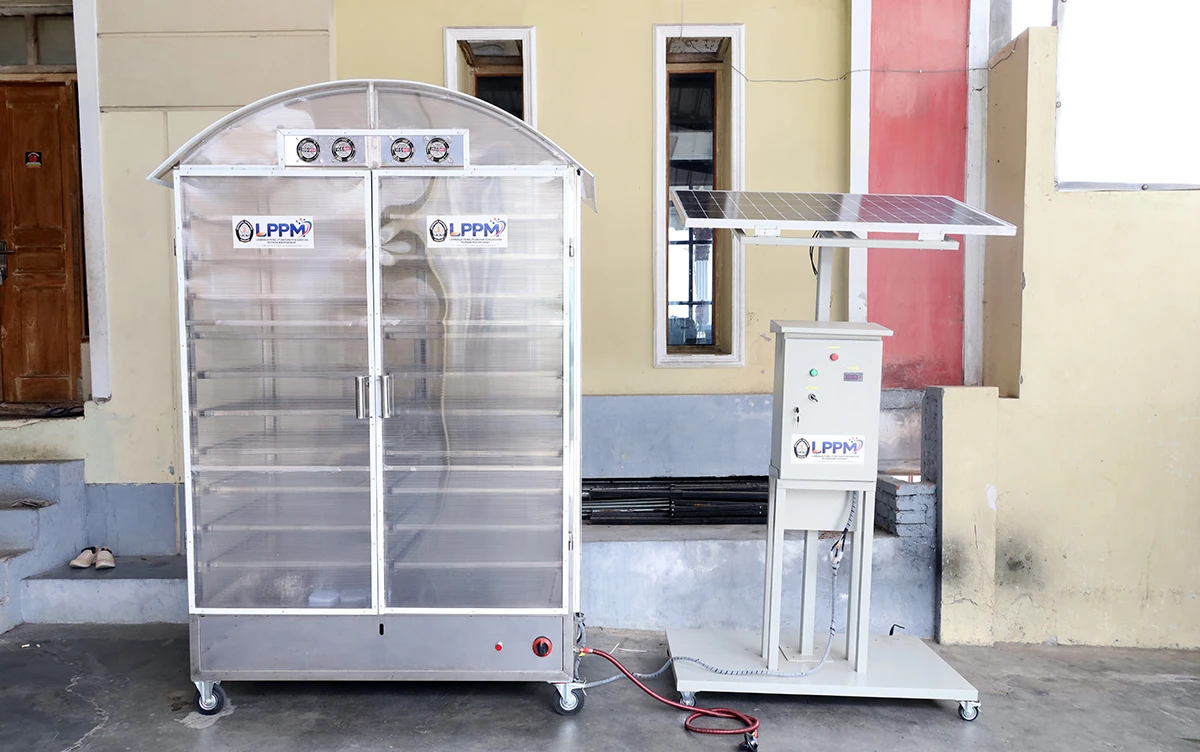
Furthermore, TEP UNDIP’s physical infrastructure and agriculture cluster highlighted challenges related to uneven water distribution and pest infestations that have become resistant to chemical treatments in cocoa plantations. In response to these challenges, TEP UNDIP members presented concrete actions carried out in the field. In Senggi’s agricultural sector, the team rejuvenated cocoa plantations using superior, disease-resistant clones and provided local communities with training in good agricultural practices. To increase post-harvest value, the team also initiated development of fermentation boxes and a solar-dryer dome.
Meanwhile, in the livestock sector, which holds significant potential, the team found that the price of liquid nitrogen in Jayapura had reached Rp300,000 per liter, approximately 18 times higher than in Java, placing a considerable burden on artificial insemination (AI) activities. In collaboration with relevant government agencies, TEP UNDIP plans to organize an artificial insemination week by independently supplying hormones, liquid nitrogen, and frozen semen from Bali cattle to support the Patriot Perintis group (Peternak Indonesia Timur Senggi).
Representatives of TEP ITB also presented the progress of their activities in the Lereh transmigration area. TEP ITB highlighted several achievements in basic infrastructure and environmental management, including the construction of clean water pipelines, optimization of telecommunications signals through network repeaters, reactivation of the Community Reading Center (Taman Baca Masyarakat/TBM) to support community education, and improvements to public sanitation and drainage facilities.
The discussion concluded with a comprehensive response from Coordinating Minister for Infrastructure and Regional Development Agus Harimurti Yudhoyono (AHY). He expressed high appreciation for the students’ patriotism, sincerity, and courage in serving communities in Papua. “Anyone who is driven by patriotism will have the courage to step outside their comfort zone and even do more than what is expected,” Coordinating Minister AHY said, motivating the members of the Patriot Expedition Team.
Coordinating Minister AHY emphasized that the provision of basic infrastructure, such as roads that reduce travel time, bridges, and clean water, serves as an economic lifeline that the government must continue to develop. He also highlighted the importance of access to telecommunications in remote areas. “Connectivity has now become a primary need. It is no longer a secondary need, let alone a tertiary one. Sometimes we can endure hunger longer than we can endure losing a signal,” he said.
In addition, Coordinating Minister AHY stressed the importance of revitalizing transmigration areas that have existed for decades by providing sustainable living facilities. He emphasized the need for a shift in perspective in managing these areas.
“This is the paradigm we are changing. It is no longer simply about moving people from Java to areas outside Java, but about ensuring that communities in those areas can live peacefully, safely, comfortably, and prosperously because they have employment,” he emphasized.
Looking ahead, Coordinating Minister AHY underlined the government’s broader vision of transforming transmigration areas so that they do not depend solely on local economies but instead connect local land and human resource potential with industries that act as offtakers. Reiterating the spirit conveyed by the Minister of Transmigration, Coordinating Minister AHY stated,
“Transmigration should not stop at the local economy, but should create an industrial-scale economy. Why not? Think big. Why not the best?” he concluded at the end of the discussion. (Public Communication/UNDIP)
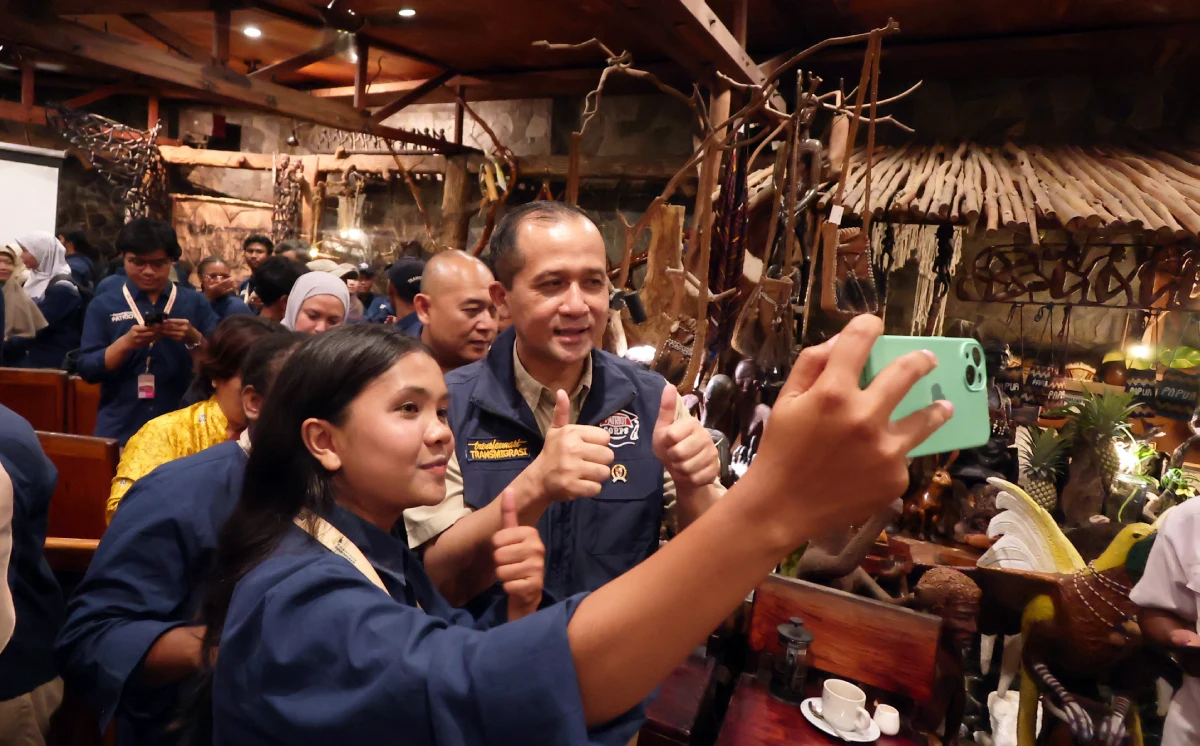
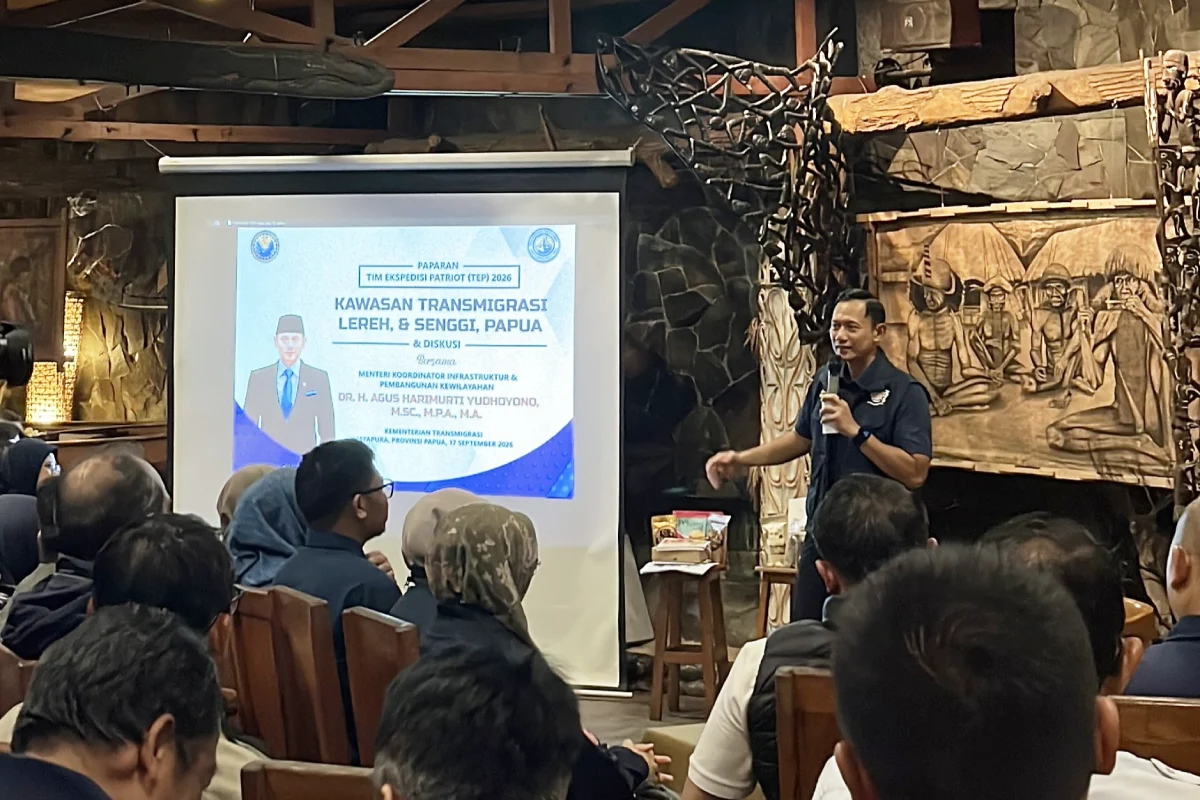
Photo Documentation: UNDIP Patriot Expedition Team & Instagram @agusyudhoyono