
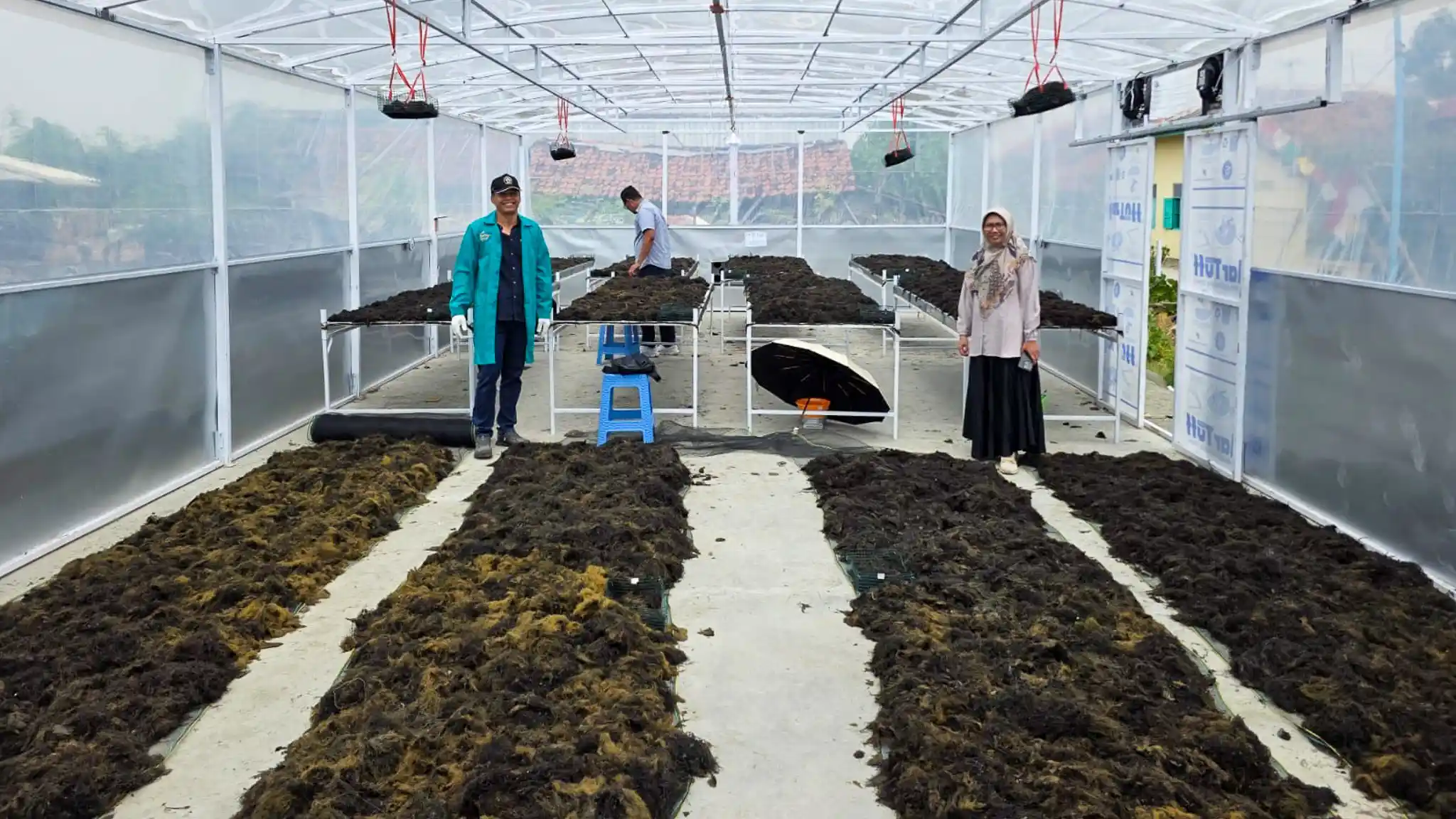

UNDIP, Semarang (26/5) – In an effort to expand the implementation of Zero Waste Management, the Integrated Waste Processing Facility (TPST) under the Occupational Safety, Health, and Environment Unit (K3L) of Universitas Diponegoro (UNDIP) welcomed a benchmarking visit from Universitas Negeri Jakarta (UNJ) on Tuesday, May 26, 2026.
The visit was attended by the Vice Rectors for Financial Planning from both universities, representatives of university business management units, TPST UNDIP managers, including the Head of UNDIP’s K3L Unit, and the waste management team from UNJ.
As a university that has successfully implemented innovative and effective waste management practices, UNDIP provided presentations and practice-based tours that may serve as references for developing similar programs at UNJ.
“We are preparing to implement Zero Waste Management, and this has become a serious issue for educational institutions. We are learning how waste can become a living laboratory for various faculties and contribute to food security,” said Prof. Dr. Ari Saptono, S.E., M.Pd., Vice Rector for Financial Planning and Resources of UNJ.
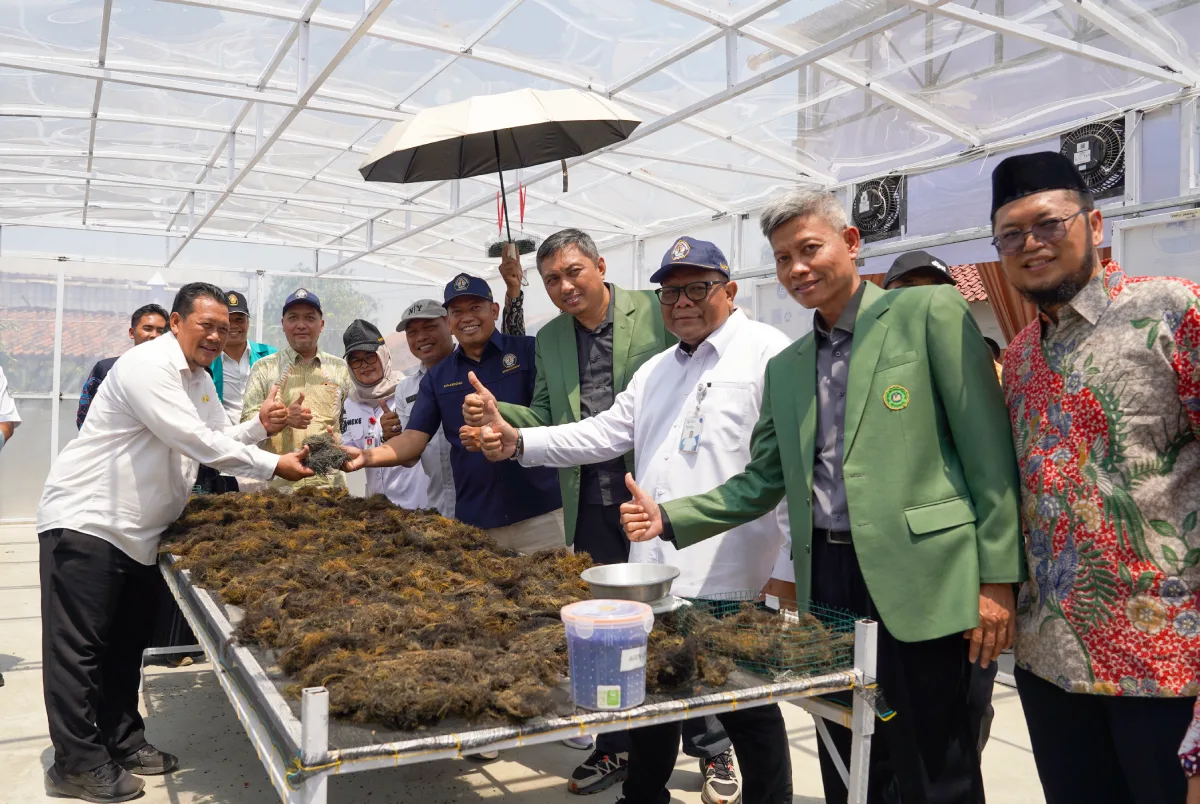
During the benchmarking visit, UNDIP delivered presentations on waste management systems, compost production, and various waste-processing technologies. Participants were also invited to visit several facilities, including the chicken farm, maggot cultivation facility, and organic waste processing center. In addition, UNDIP launched an ongoing innovation project to develop “UNDIP chickens” in collaboration with the Faculty of Animal and Agricultural Sciences (FPP).
UNDIP is currently promoting a strategy that integrates zero waste management not only with waste processing but also with efforts to strengthen food security. Furthermore, the university is transforming waste-disposal areas into educational and tourism-oriented waste-management sites.
“UNDIP aims to transform waste collection areas into waste tourism destinations. We are building these models step by step. Our indicator of success is when children are willing and excited to visit the waste management area (K3L),” explained Dr. Warsito Kawedar, S.E., M.Si., Akt., Vice Rector for Planning, Finance, Assets, Business, and General Affairs, during his remarks.
Through the TPST K3L facility, UNDIP focuses not only on waste and environmental management across the university campus but also on fulfilling its Tridharma of Higher Education, particularly in research and development. This benchmarking visit served not only as an opportunity for knowledge sharing and institutional networking with UNJ but also as a means of extending the benefits of UNDIP’s innovations to other institutions and the broader community. (Public Communication/UNDIP/Hanifa)