


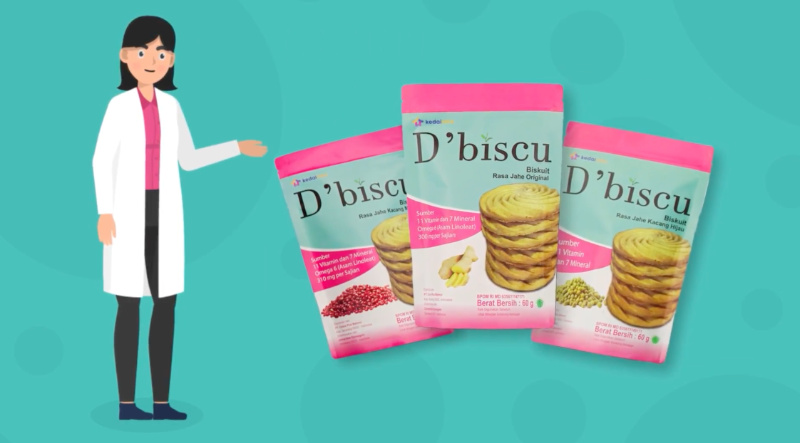
UNDIP, Semarang (23/6) – Universitas Diponegoro (UNDIP) through the Nutrition Study Program of Faculty of Medicine has successfully developed and commercialized an innovative product in the form of biscuits for pregnant women called D’Biscu as an effort to support the acceleration of stunting reduction in Indonesia, especially in Central Java. This product is a supplementary food for pregnant women based on local ingredients to prevent stunting from pregnancy. Currently, D’Biscu has obtained halal certification, meets SNI, and BPOM distribution permits so it can be marketed to the public.
The stunting rate in Indonesia remains high exclusively in Central Java where there are 485,893 toddlers affected by stunting in 2025 according to the Ministry of Health. As an address to this issue, an UNDIP research team developed a biscuit formulation based on local ingredients such as ginger, mung beans, and red beans, enriched with various vitamins and minerals essential for pregnant women.
The base ingredients for these biscuits are specifically sourced from local Indonesian ingredients rich in nutrients and benefits. Ginger was chosen for its antioxidant and anti-inflammatory properties, as well as for its ability to reduce nausea and vomiting, which are common symptoms experienced by pregnant women in the first trimester.
Mung beans are a source of plant-based protein, folate, iron, and fiber, which play a role in red blood cell formation, support fetal growth, and help prevent anemia in pregnant women. Meanwhile, red beans contain protein, iron, magnesium, potassium, and dietary fiber, which contribute to maintaining digestive health, increasing energy intake, and supporting optimal fetal development.
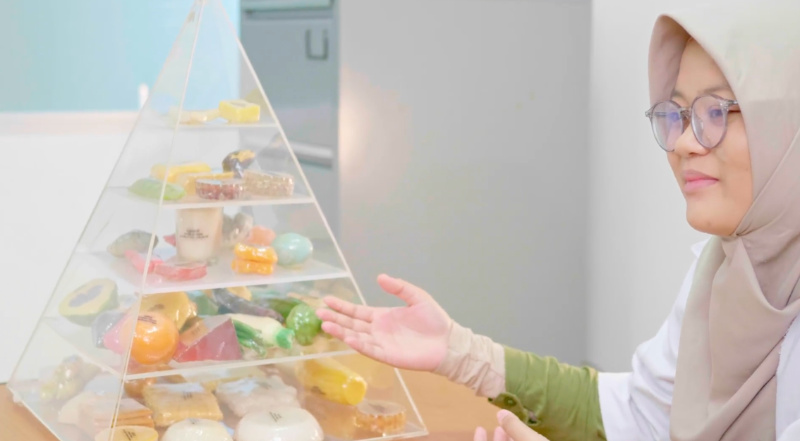
The combination of these three local ingredients produces a functional food product that is not only highly nutritious but also offers added health benefits for both mother and baby. This formulation is designed to meet the nutritional needs of pregnant women while utilizing the potential of local foods.
Prior to its commercialization, D’Biscu underwent research, product development, acceptability testing, and field implementation through educational activities and the provision of Supplementary Feeding (PMT) to pregnant women in Semarang City. This program was implemented in collaboration with the Semarang City Health Office through a network of 37 Community Health Centers (Puskesmas) in 16 sub-districts, so the product was not only developed in the laboratory but also applied to real-world targets in the community.
During the implementation phase, 185 pregnant women directly benefited through nutrition education activities and the provision of D’Biscu as a supplementary food (PMT). In addition to evaluating product acceptance, this activity also aimed to increase pregnant women’s understanding of nutritional needs during the first 1,000 days of life (HPK) as a stunting prevention measure.
The head of the research team, Prof. Dr. Diana Nur Afifah, said that D’Biscu‘s success demonstrates the importance of collaboration between university, industry, and government in solving public health problems.
“We believe that stunting prevention must begin during pregnancy. Through D’biscu, we are not only producing nutritious food products but also building a collaborative model that connects academic research with real community needs. We hope this food product innovation can be replicated in various regions across Indonesia,” he said.
Compared to existing PMT for pregnant women, D’Biscu has several advantages, namely using local Indonesian raw materials, having a specific formulation for pregnant women, enriched with essential micronutrients, has obtained SNI certification, halal certification, BPOM distribution permit, and is developed through collaboration between university, industry, and the government so that the sustainability of its production and distribution is more assured.
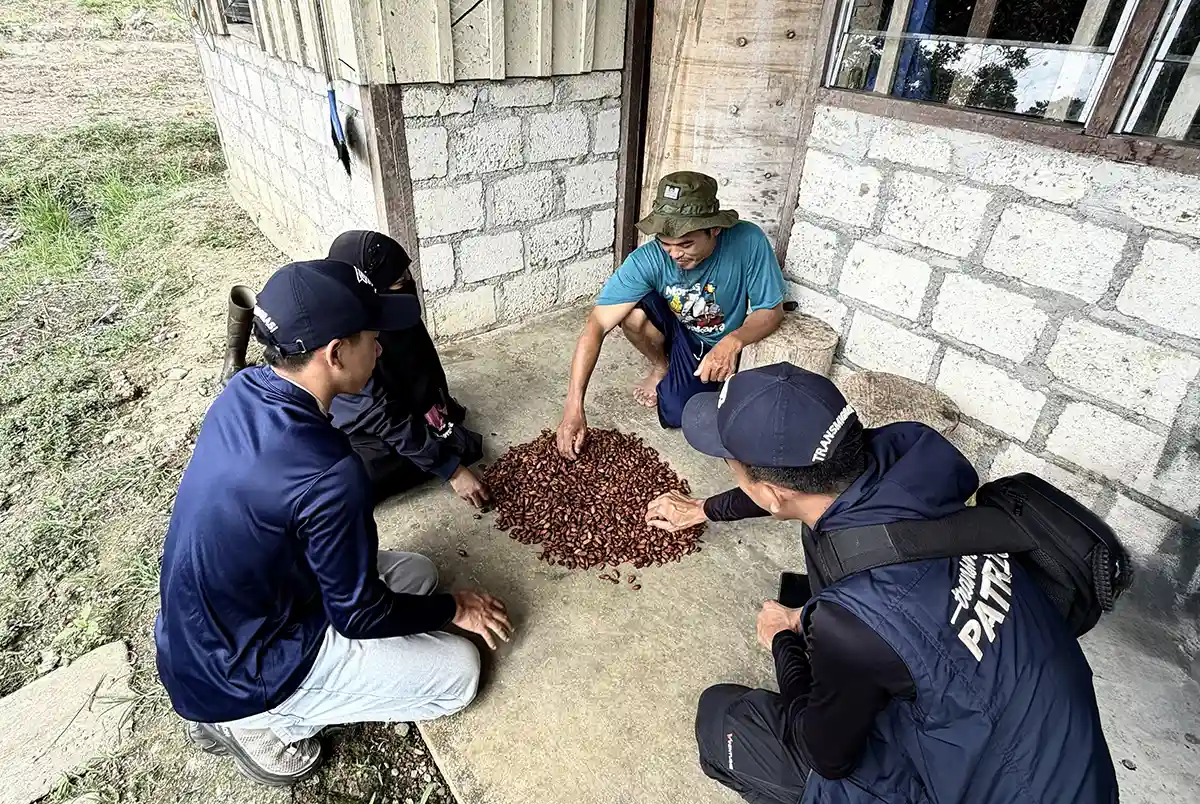
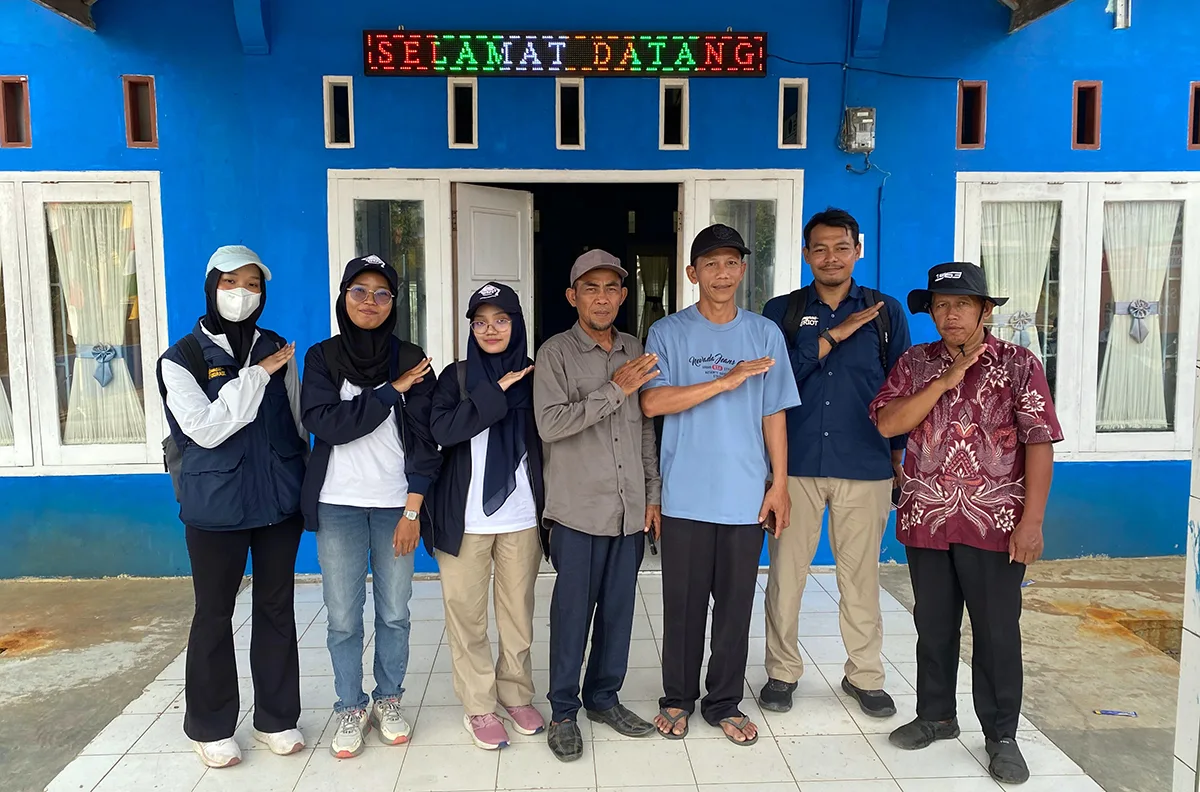
Prof. Diana added that currently D’Biscu is in the production process as one of the intervention materials for the 2026 patriot expedition activities, especially in Senggi District, Keerom Regency, Papua.
D’Biscu‘s success demonstrates that university research can have a real impact when supported by a strong innovation ecosystem. The collaborative model developed within this program not only produces products that benefit society but also strengthens the capacity of students, industry, and healthcare professionals to create sustainable solutions. With support from various parties, D’Biscu is expected to become a national model for developing functional foods to prevent stunting and improve maternal and child health.
This program aligns with the commitment of Universitas Diponegoro to realizing ‘Noble and Valuable UNDIP’, through strengthening innovations that have a direct impact on society. In addition to supporting the national agenda of accelerating stunting reduction, this activity also contributes to the achievement of the Sustainable Development Goals (SDGs), specifically SDG 2 (Zero Hunger), SDG 3 (Good Health and Well-being), SDG 4 (Quality Education), SDG 8 (Decent Work and Economic Growth), SDG 9 (Industry, Innovation and Infrastructure), and SDG 17 (Partnerships for the Goals). Through innovation, collaboration, and community empowerment, Universitas Diponegoro continues to provide real solutions for the development of a healthier, more competitive, and sustainable Indonesia. (Public Communication/UNDIP/Diana, ed. Nurul).