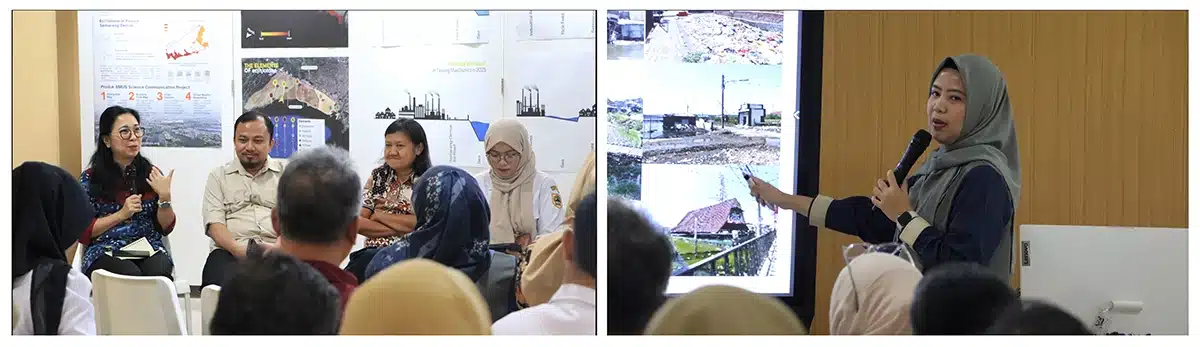

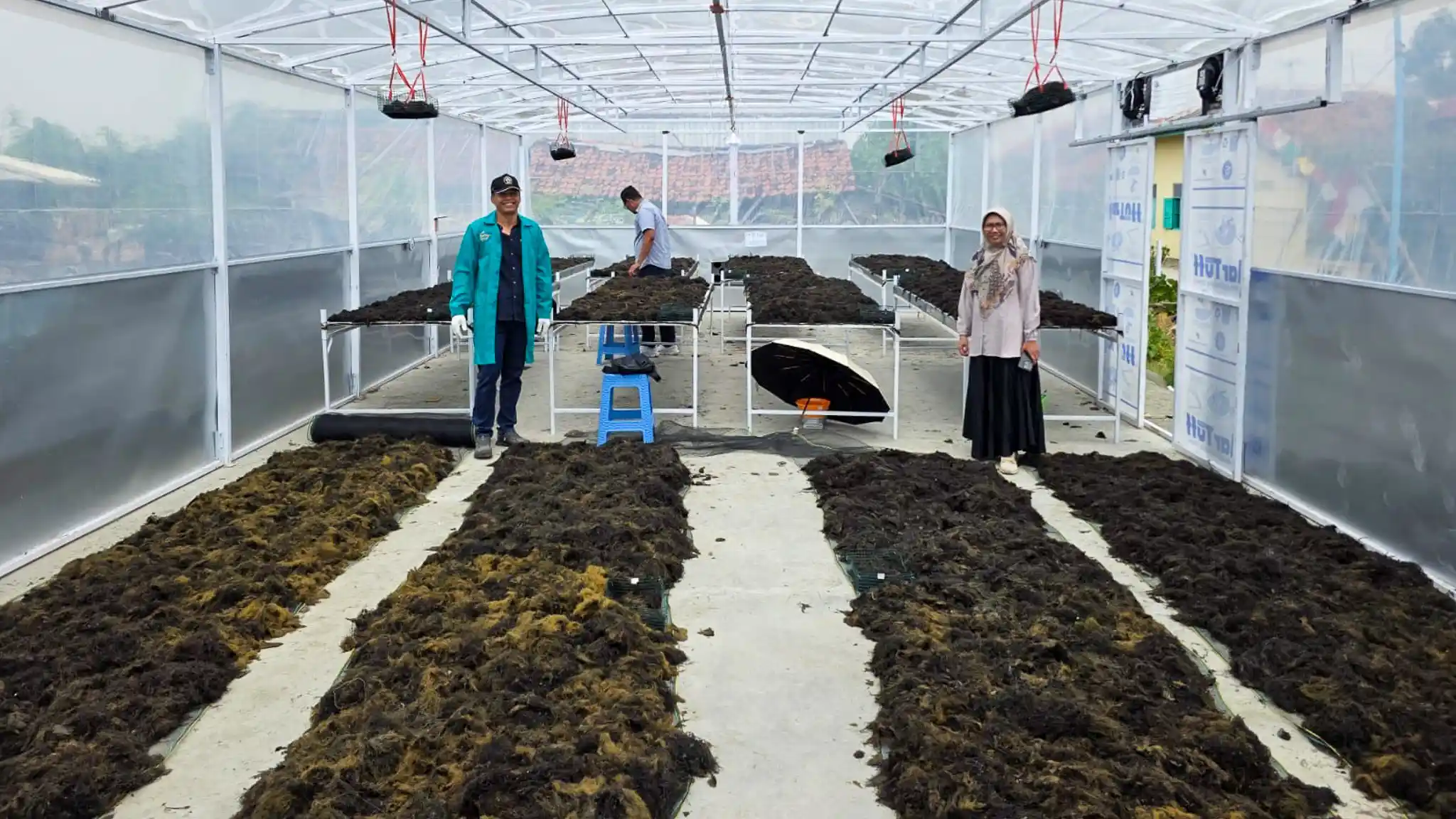
UNDIP, Semarang (December 24, 2025) – The Department of Urban and Regional Planning (DPWK), Faculty of Engineering, Universitas Diponegoro, organized the Policy Brief Dissemination event themed “Ec(h)otone as a Transitional Space: Challenges and Management Directions for the Semarang–Demak Coastal Area” on Wednesday (December 10) at Building B, Faculty of Engineering UNDIP, in collaboration with the Central Java Provincial Regional Research and Innovation Agency (Brida) in formulating policy directions.
Representatives of central government institutions, the Central Java Provincial Government, the Semarang City Government, the Demak Regency Government, and business and industrial stakeholders attended the event. This activity forms part of the Cooperation Program with the Business and Industrial World (DUDI) to support Universitas Diponegoro’s World Class University (WCU) initiative.
Head of the Department of Urban and Regional Planning, Prof. Dr.-Ing. Wiwandari Handayani, S.T., M.T., MPS, explained that ec(h)otone areas as transitional spaces are highly vulnerable to environmental issues such as flooding and tidal inundation. Collaborative research is therefore expected to provide a foundation for formulating policies that are responsive to the region’s challenges.
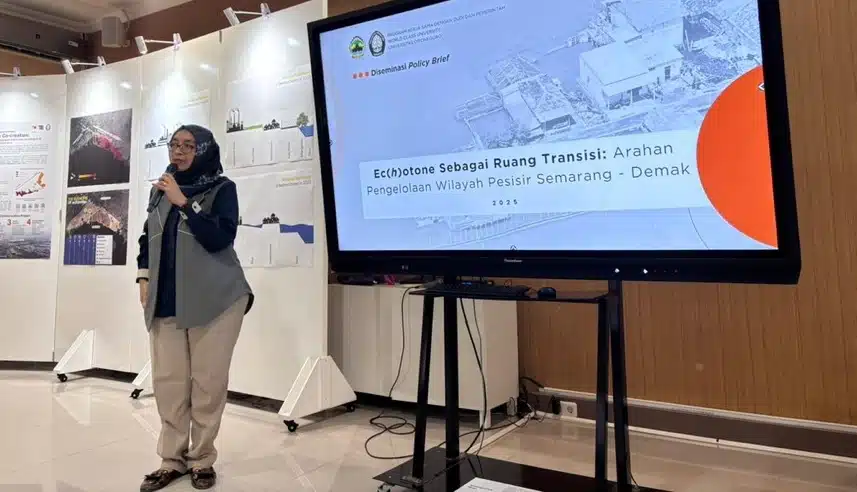
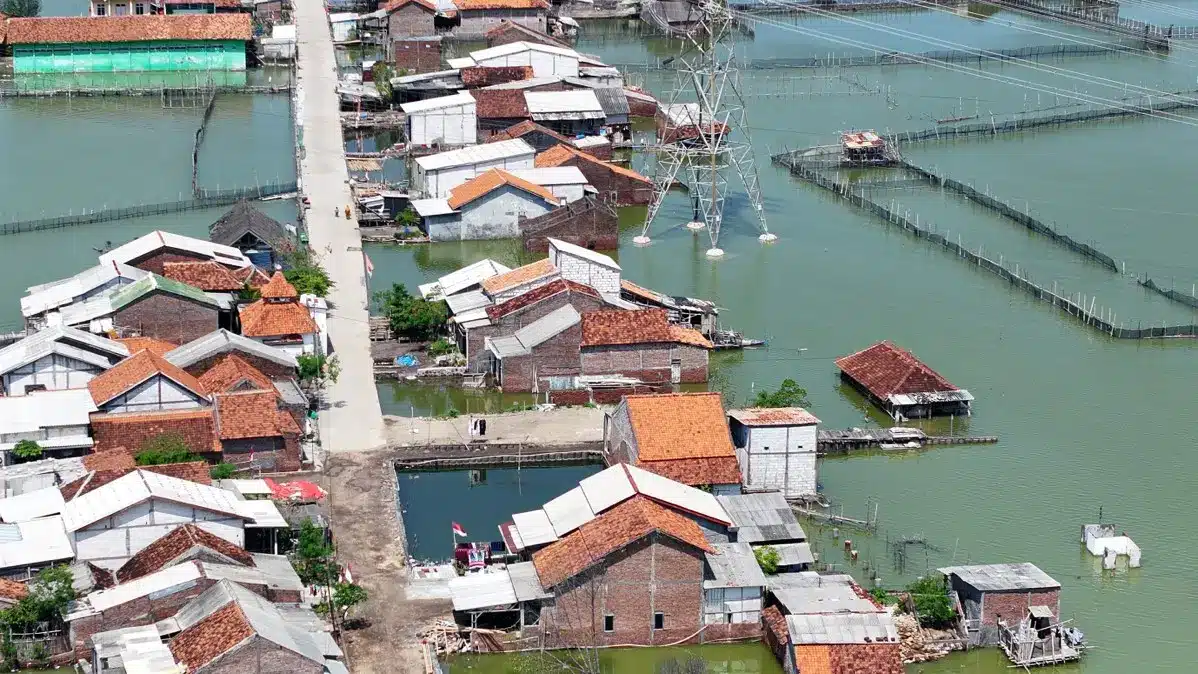
During the session, Astrini Ayu Puspita, S.T., M.T., a team member from DPWK UNDIP, outlined various identified issues, including vulnerability to tidal flooding and land subsidence, degradation of mangrove ecosystems, land conversion, submergence of residential areas, and socio-economic pressures on local communities. Urbanization, industrialization, land-use change, and climate change have created complex, interrelated challenges (wicked urban problems) in the region.
Astrini also emphasized that policy directions for coastal areas must integrate rural–urban spaces and marine, coastal, and terrestrial zones along the Semarang–Demak corridor into a unified ecological and economic system. This integration is essential to building future socio-ecological resilience and balance. Multistakeholder collaboration is required to strengthen ecosystem and natural resource management along the vertical transition from marine zones to coastal and sustainable terrestrial areas.
As a transitional zone between marine and terrestrial spaces and between urban, peri-urban, and rural areas, the ec(h)otone is highly prone to environmental and socio-spatial challenges and therefore requires integrative management. Accordingly, the recommended policy directions for the management of the Semarang–Demak coastal ec(h)otone include:
- The government should implement integrated management across rural-to-urban spaces in coastal areas. Rural and peri-urban zones should have their ecological functions strengthened, land conversion restricted, and development limited to safeguard coastal environmental functions. Urban areas should reinforce spatial planning regulations and control development intensity to maintain regional balance.
- The government should apply integrated management across marine, coastal, and terrestrial spaces by strengthening ecosystem and natural resource governance along the vertical transition from marine zones to coastal and sustainable terrestrial areas.
- Immediate ecosystem restoration and protection of the Semarang–Demak coastal area are required, including through the implementation of nature-based solutions to enhance coastal conservation and rehabilitation.
- Development of adaptive transitional economies is necessary.
- Collaborative governance should be strengthened by synchronizing spatial planning, infrastructure, environmental, and economic policies based on ecological functions and ecoregions.
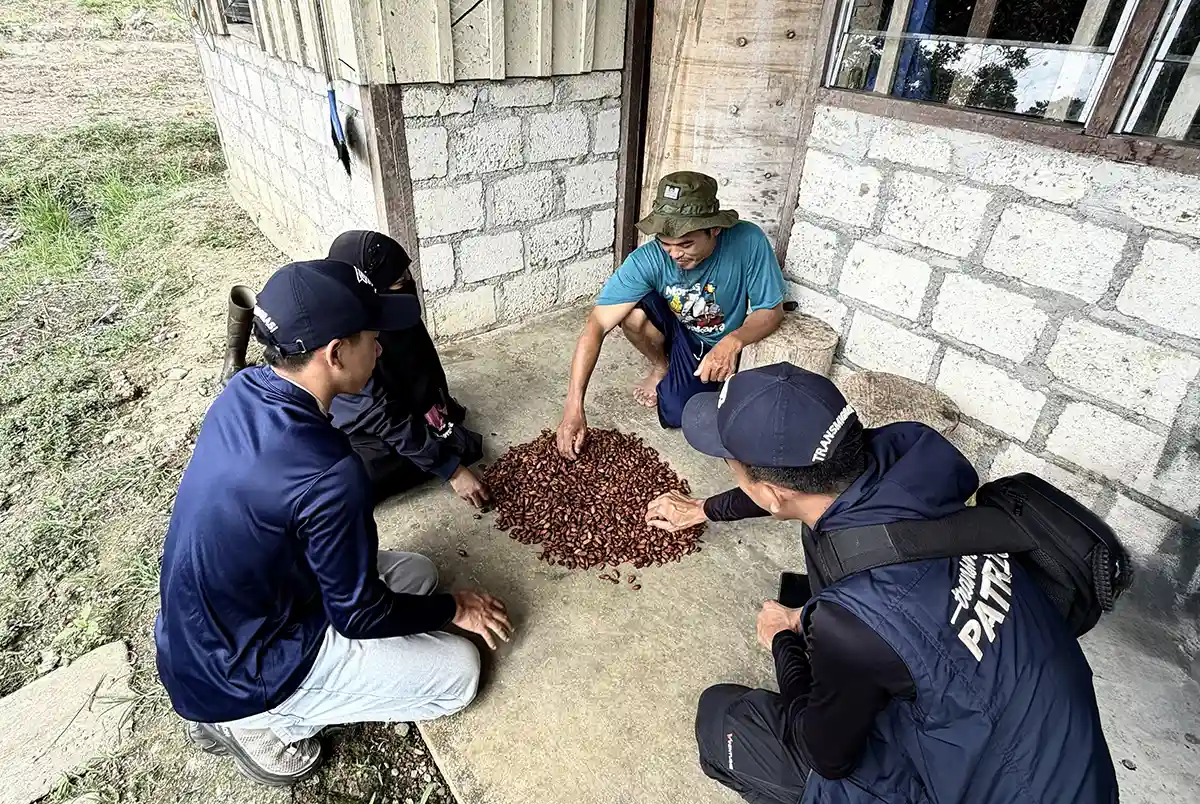
- Local community engagement should be enhanced by building coastal communities’ capacity through mangrove co-management, disaster monitoring, and community-based fisheries management.
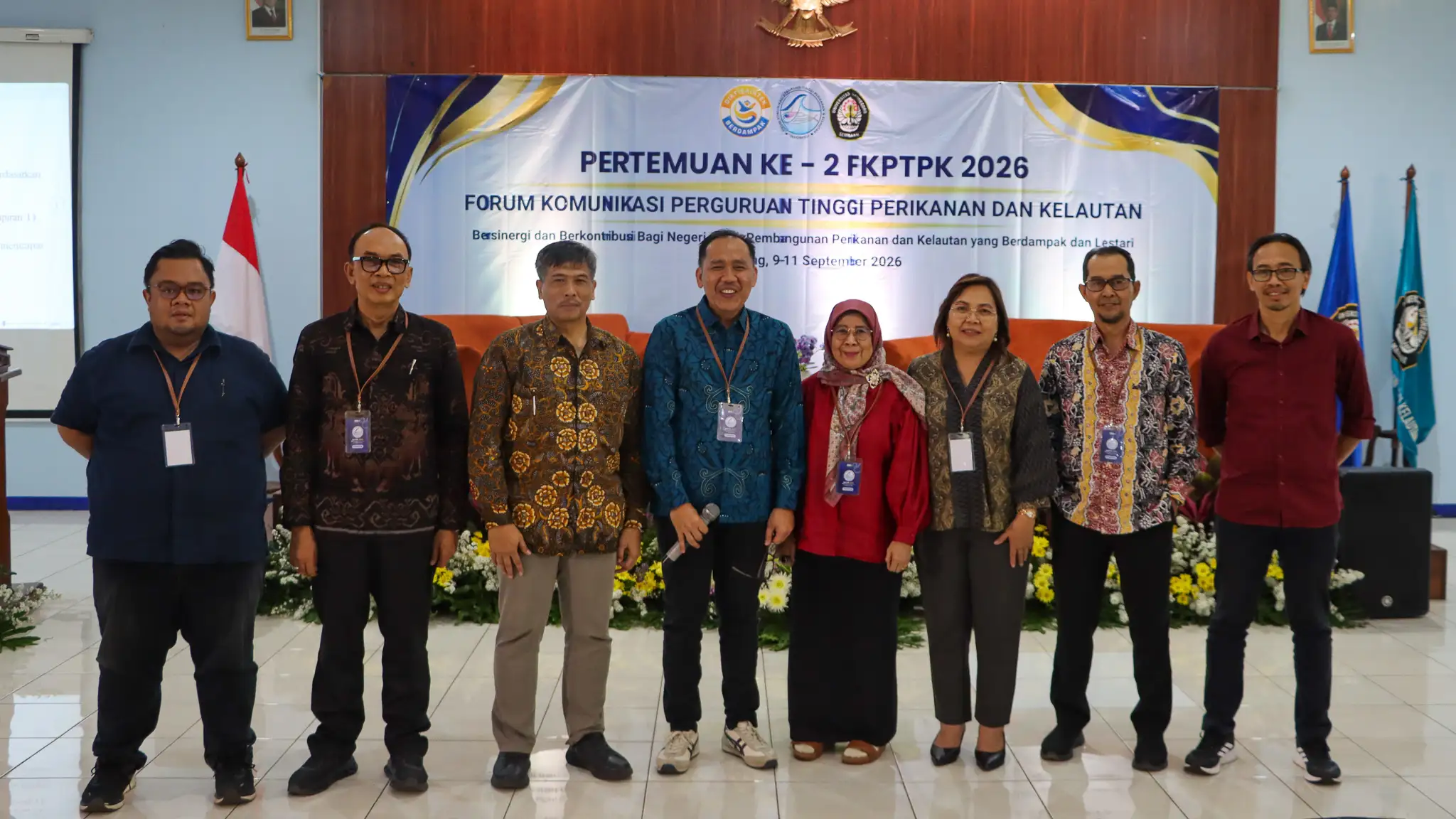
The policy recommendations received feedback from relevant government institutions. Discussants included Chriesty Elisabeth Lengkong, S.Si., M.Si., MEEM, Director of Regional Spatial Planning Development II, Directorate General of Spatial Planning, Ministry of Agrarian Affairs and Spatial Planning/National Land Agency; Djuang Fadjar Sodikin, Ph.D., Assistant Deputy for Spatial Planning and Agrarian Governance, Coordinating Ministry for Infrastructure and Regional Development; Lita Febrian, S.T., M.T., Brida of Central Java; and Dr. Laely Nurhidayah from the National Research and Innovation Agency (BRIN), who provided recommendations and expressed their appreciation.
Chriesty Elisabeth Lengkong and Djuang Fadjar Sodikin emphasized the importance of integrating spatial planning in coastal areas based on ecoregions to achieve regional balance. Similarly, Dr. Laely Nurhidayah and Lita Febrian appreciated the ec(h)otone studies and highlighted the importance of translating policy directions into implementable programs.
This policy brief dissemination represents a critical step to ensure that knowledge generated through collaborative research can be adopted to support more responsive and sustainable coastal development planning in Central Java, in line with the Sustainable Development Goals (SDGs), particularly Sustainable Cities and Communities (SDG 11), Climate Action (SDG 13), and Partnerships for the Goals (SDG 17. (Public Communication/UNDIP/DPWK FT Team)