
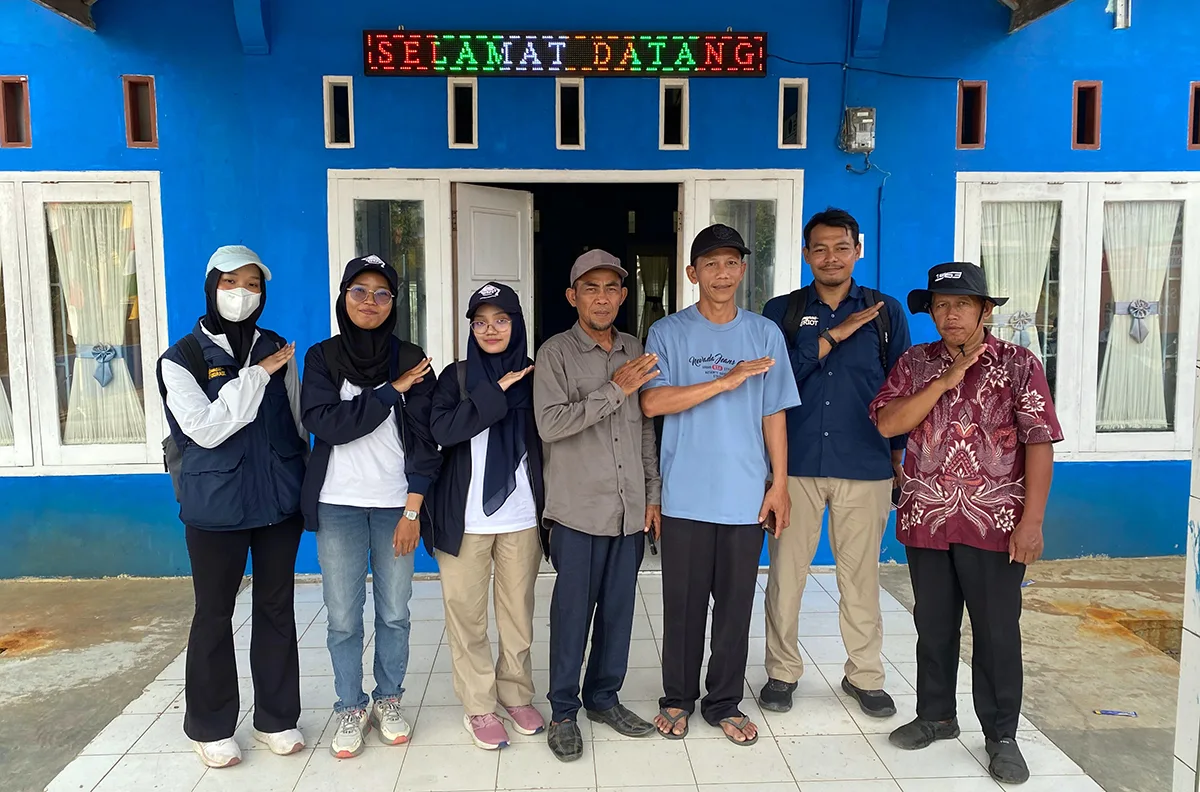
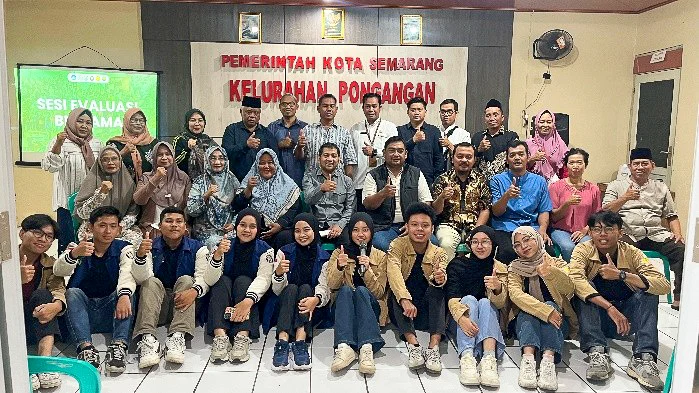
UNDIP, Semarang (31/7) – Universitas Diponegoro (UNDIP) continues to strengthen its role as a world-class university through the implementation of the World Class University (WCU) program, which is oriented toward creating tangible impacts for society. This commitment is demonstrated through collaboration between the SDGs Student Group of the Department of Agriculture and the Student Organization Capacity Building Program (PPK Ormawa) Team of the Student Association of the Department of Agriculture (HMD Agriculture), Faculty of Animal and Agricultural Sciences (FPP UNDIP), in developing an Entrepreneurial Village in Pongangan Subdistrict, Gunungpati District, Semarang City.
The program is designed as a community empowerment model based on local potential, using an integrated approach that encompasses human resource capacity building, strengthening of economic institutions, and the development of innovative and sustainable micro, small, and medium enterprises (MSMEs).
The student team serves as the primary program implementer by initiating strategic interventions, including developing value-added banana products, preparing standard operating procedures (SOPs) for production, implementing appropriate technology, digitalizing business management and expanding market access. This approach not only increases productivity but also encourages a shift in the community’s mindset toward professional and long-term business management.
During the implementation, Dr. Tutik Dalmiyatun, as the faculty advisor, played a strategic role as both an organizer and an empowerment facilitator. The guidance ensured that every program was grounded in scientific studies, relevant to community needs, and aligned with sustainability principles.
The program’s faculty advisor said that the initiative represents a concrete integration of education, research, and community service. “Students do not only learn in the classroom but also directly apply their knowledge to address real problems in society. Our guidance is intended to ensure that the program is implemented effectively, measurably, and with a sustainable impact,” she said.
At the institutional level, Universitas Diponegoro provides systemic support through policies, program facilitation, and strengthened cross-sectoral synergy. This is part of UNDIP’s strategy to accelerate its contribution to achieving the Sustainable Development Goals (SDGs) while enhancing global competitiveness through its WCU program.
Chairman of the UNDIP Department of Agriculture SDGs Student Team, Adit Maulana, explained that the program was designed to establish an independent ecosystem for village entrepreneurship. “Our focus is not only on product development but also on building a sustainable business system through capacity building, technology utilization, and the expansion of marketing networks,” he explained.
Appreciation for the program was also expressed by Lailatu Rohmah, Chairwoman of the Srikandi Joint Business Group (KUB). She said that the assistance provided had a significant impact on group members’ capacity. “We have gained new knowledge not only about product processing but also about managing our business in a more professional and structured manner,” she said.
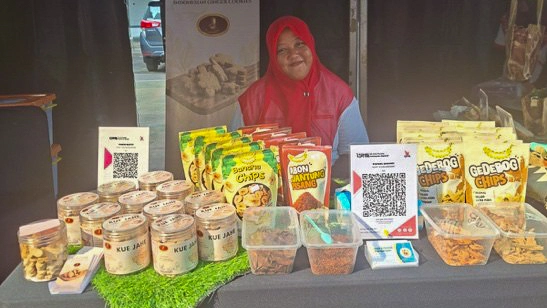
Through collaboration among students, faculty members, the university, and the community, the PisPong Entrepreneurial Village program is expected to serve as an adaptive and replicable empowerment model. The program also contributes to achieving SDG 8 (Decent Work and Economic Growth), SDG 9 (Industry, Innovation and Infrastructure), SDG 12 (Responsible Consumption and Production), and SDG 17 (Partnerships for the Goals).
Universitas Diponegoro is committed to continuing to expand the implementation of similar programs as part of its efforts to deliver research-based innovations that create tangible impacts on community development and strengthen local economies. (Public Communication/UNDIP/FPP)