
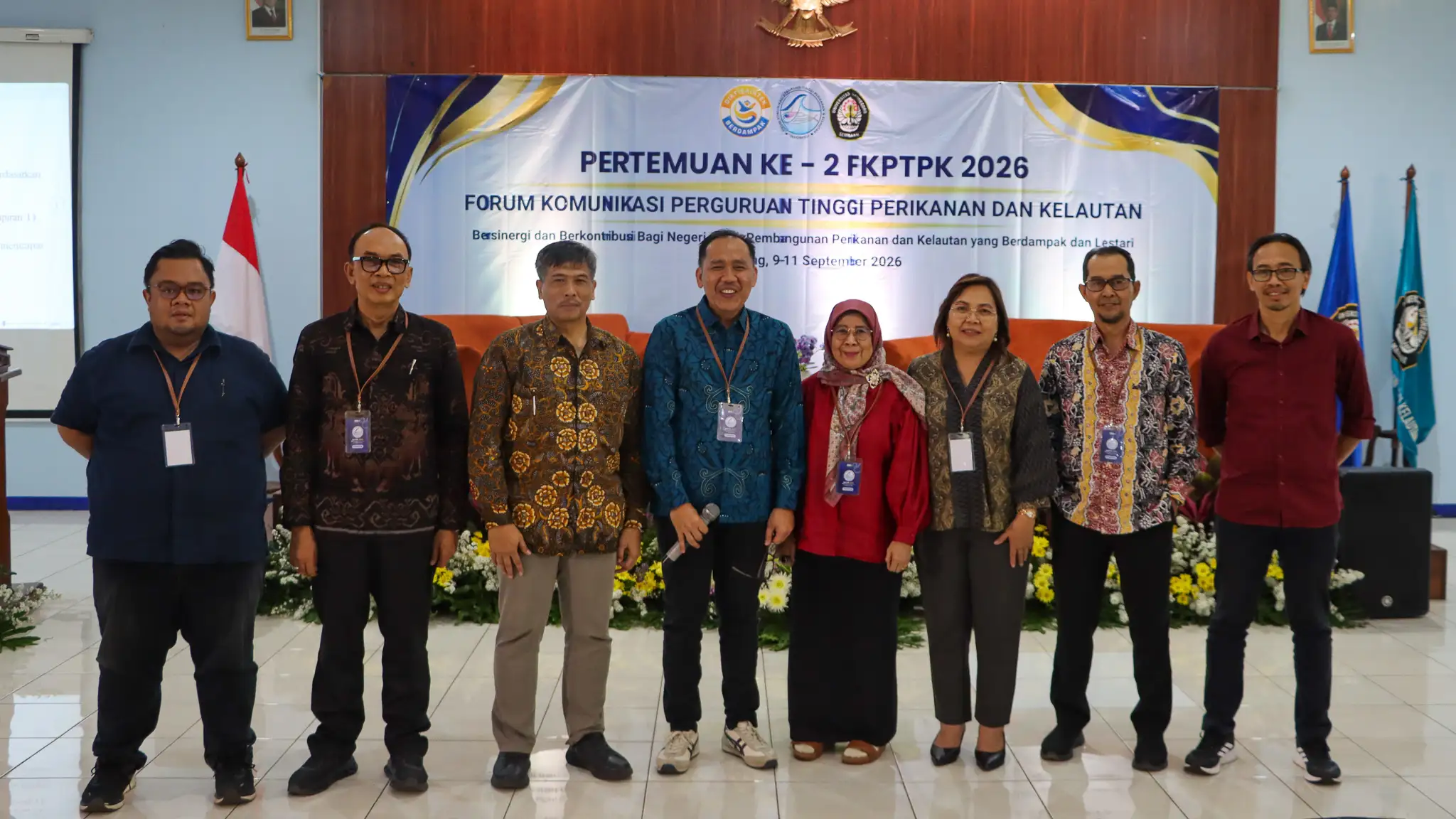
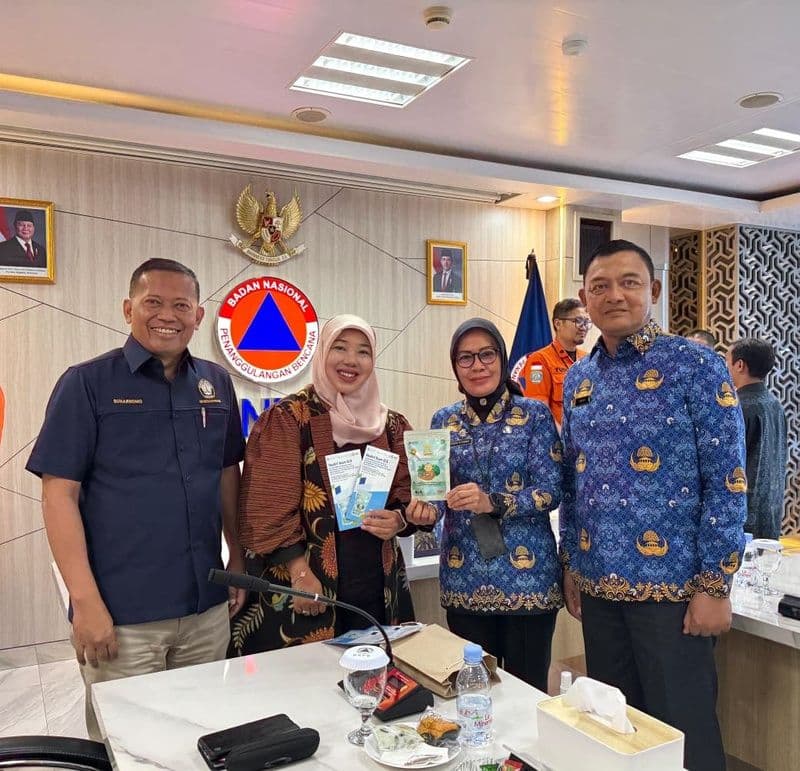
UNDIP, Jakarta (7/5) – The National Disaster Management Agency (BNPB) has expressed interest in a complementary feeding product for infants (Makanan Pendamping ASI/MPASI) labeled Nutri Sun D3, developed by the Department of Nutrition Science, Faculty of Medicine, Universitas Diponegoro (UNDIP). The interest was conveyed directly by the Head of BNPB, Letnan Jenderal TNI Suharyanto, S.Sos., M.M., during a meeting welcoming the UNDIP Rector and the Cyborg Insect Team, accompanied by Prof. Dr. Rifky Ismail, S.T., M.T. (Head of the Undergraduate Mechanical Engineering Program) and drh. Dian Wahyu Harjanti, Ph.D. (Director of Innovation and Cooperation) from UNDIP.
Head of BNPB, Letnan Jenderal TNI Suharyanto, S.Sos., M.M., explained that vulnerable groups affected by disasters include children, infants, pregnant women, and breastfeeding mothers. “The assistance commonly distributed includes instant noodles, rice, canned sardines, and clothing. For specific needs such as milk and baby food, BNPB usually handles them independently because they are temporary necessities,” said Letjen Suharyanto.
He expressed interest in procuring the baby and toddler food products for distribution to disaster-affected areas in Aceh and Sumatra. “As soon as possible, if this product already has permits, has been tested by BPOM, and has halal certification, it should immediately be included in the e-catalog so we can place orders right away,” he stated.
UNDIP Rector Prof. Dr. Suharnomo, S.E., M.Si., welcomed BNPB’s interest in procuring the complementary feeding product. Prof. Suharnomo explained that the product was initially developed to address stunting in toddlers’ growth and development. Still, it could also significantly help meet their food needs in disaster-affected regions.
UNDIP Director of Innovation and Cooperation, drh. Dian Wahyu Harjanti, Ph.D., explained that Nutri Sun D3 is the result of research conducted by a team from the Department of Nutrition Science, Faculty of Medicine UNDIP, led by Gemala Anjani, together with Fitriyono Ayustaningwarno and Ahmad Syauqy. The innovation was developed using local ingredients such as soy protein isolate, sweet potatoes, spinach, and broccoli, and is enriched with vitamin D3 to support children’s growth and immune systems. She added that UNDIP is currently ready to produce the product on a large scale if orders are placed.
The main advantage of Nutri Sun D3 is its use of freeze-drying technology. This low-temperature drying process preserves nutritional content, color, and flavor while extending the product’s shelf life. This technology makes Nutri Sun D3 practical both for daily consumption and as emergency food during disasters.
During a field trial conducted during the 2025 floods in West Sumatra, Nutri Sun D3 was provided to infants and toddlers for 15 days. The results showed that the children’s body weight remained stable, and some even gained weight. These findings demonstrate Nutri Sun D3’s potential as an effective emergency food solution for vulnerable groups during disasters.
Through this collaboration, UNDIP and BNPB are expected to support the national program to accelerate stunting reduction while strengthening food preparedness for infants and toddlers in disaster-prone areas. This industry-linked innovation demonstrates that UNDIP researchers have successfully developed products that deliver tangible benefits to society, in line with the spirit of noble and valuable UNDIP. (Public Communication/UNDIP/Directorate of Innovation/Utami)