UNDIP, Senggi, Keerom Regency (5/9) – As a concrete commitment to supporting the strategic programs of the Ministry of Transmigration of the Republic of Indonesia to strengthen food sovereignty in border areas, Team 17 of the Universitas Diponegoro Patriot Expedition (TEP UNDIP) has formulated a strategic initiative through a program entitled “Provision and Optimization of Community-Based Irrigation Water to Support Sustainable Agriculture in the Senggi Transmigration Area.”
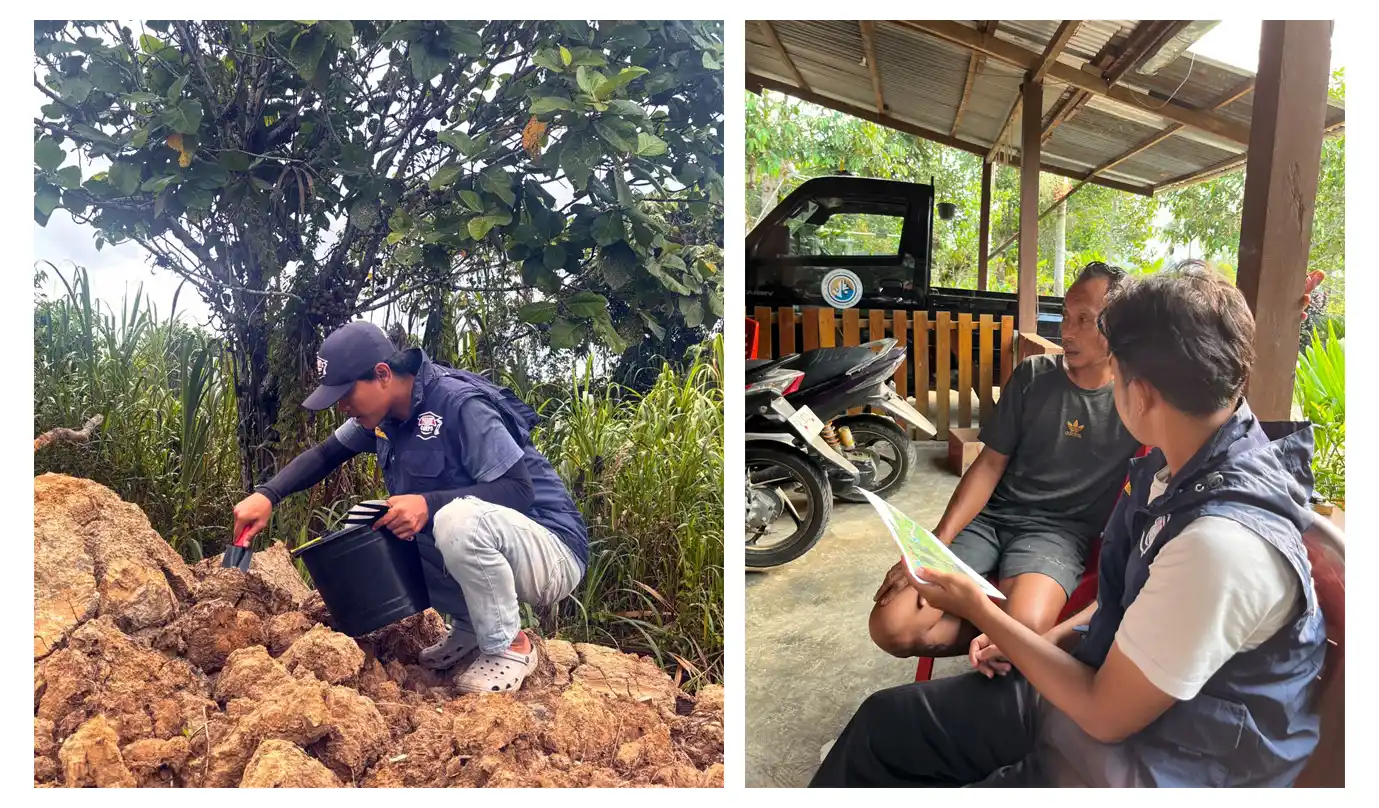
The infrastructure initiative began with a series of technical soil tests at the excavation site. Using the available measuring equipment, the team analyzed the rate of water infiltration through the peat soil layer to determine its absorption capacity and structural resistance to potential physical leakage when water is stored. The test results showed that the compacted soil had very low water absorption, making it highly suitable as the foundation for the reservoir.
By integrating infiltration-rate data with estimates of seasonal evaporation in the Senggi area, the team precisely determined the reservoir’s storage capacity. Based on these hydrological calculations, the reservoir was designed with dimensions of 60 meters in length, 25 meters in width, and 3 meters in depth. These careful technical calculations are key to ensuring a stable and sustainable supply of irrigation water while anticipating the potential for extreme drought during the dry season in the transmigration settlement.
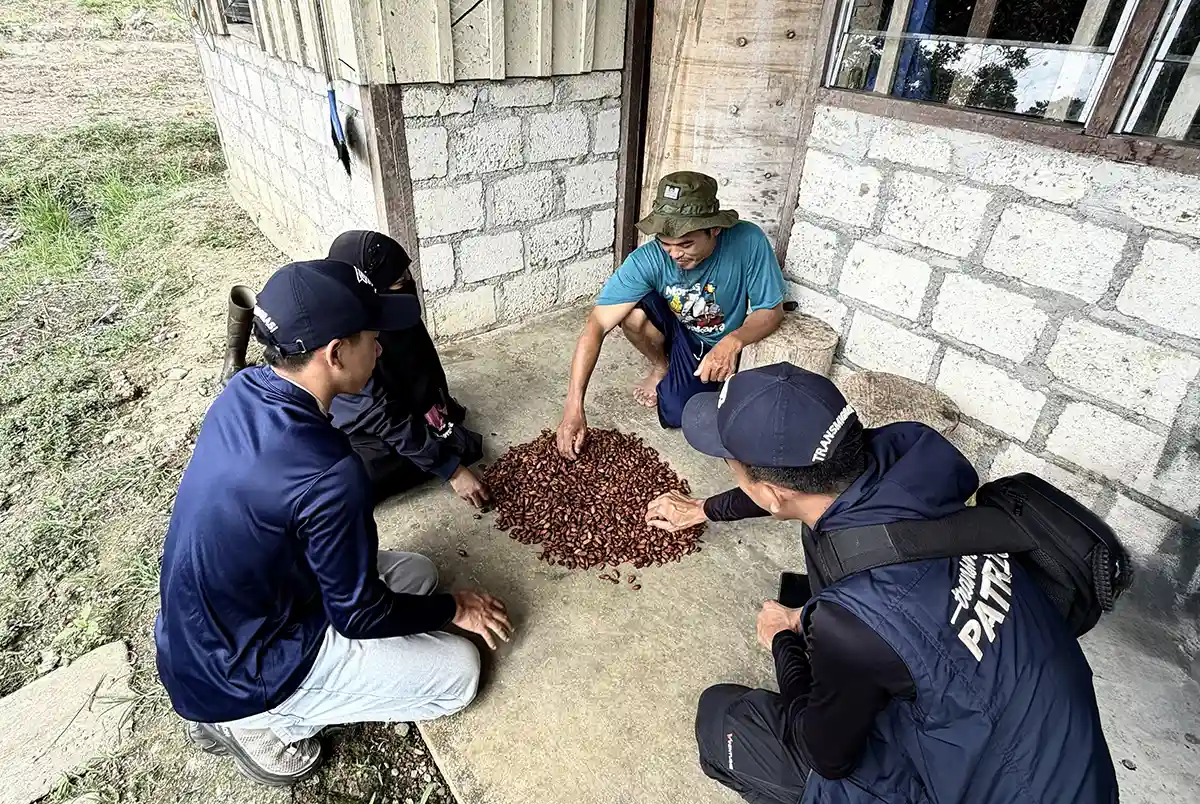
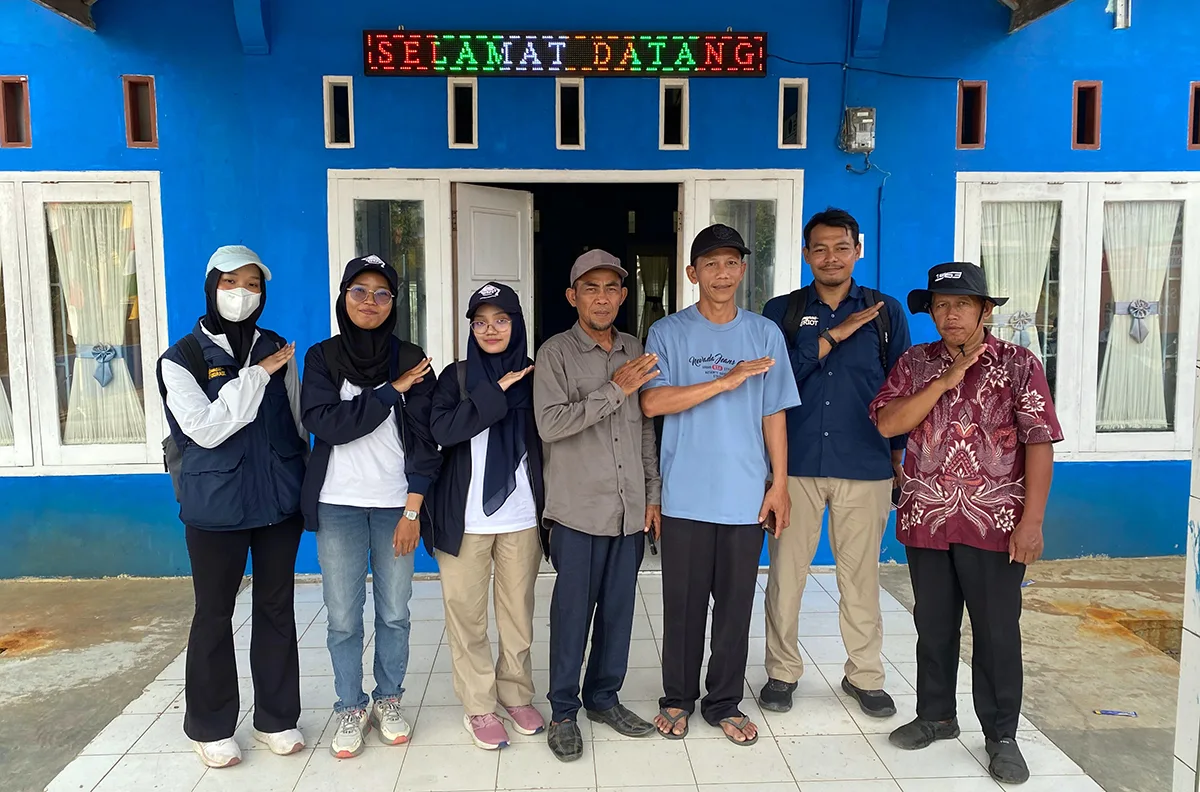
In line with the technical preparations, Team 17 TEP UNDIP also adopted a participatory, community-based approach through intensive dialogue with residents of Woslay, particularly community group leaders and farmer associations. This approach was taken to foster a sense of ownership among residents toward the development project, as the community’s emotional connection to the project is a crucial factor in sustaining empowerment programs. A series of discussions was held to enable farmers to express their aspirations, challenges, and expectations openly.
Residents warmly welcomed the transition from the mapping stage to physical construction. Gundi, the head of the local community group, explained the significance of the expedition team’s presence. “In my opinion, the 2025 Patriot Expedition Team cleared the land, while the 2026 team is laying the foundation. To help the community understand and trust the program, there needs to be tangible implementation,” said Gundi.
For transmigrant residents, the construction of the reservoir is concrete evidence that the government’s and academics’ concern and commitment are being translated into real action in the field, rather than simply ending in reports. The availability of water is expected to address a physical constraint that has long hindered the expansion of cultivated land around the route to Settlement Unit (SP) 2 Senggi. “The land across the bridge has not yet been cultivated. Perhaps the only areas that have been planted belong to Mr. Sibur and Mr. Alber. We hope that once the reservoir is available and can supply water, it will encourage other community members to become more enthusiastic about farming,” Gundi said.
Concerns about potential crop failures due to limited water supplies had previously made farmers hesitant to cultivate productive land across the bridge. The collaborative reservoir is expected to restore the community’s enthusiasm for farming. A reliable year-round water supply is expected to optimize the use of marginal land in SP 2 Woslay and encourage a shift from traditional monoculture rice farming to diversification into higher-value horticultural crops.
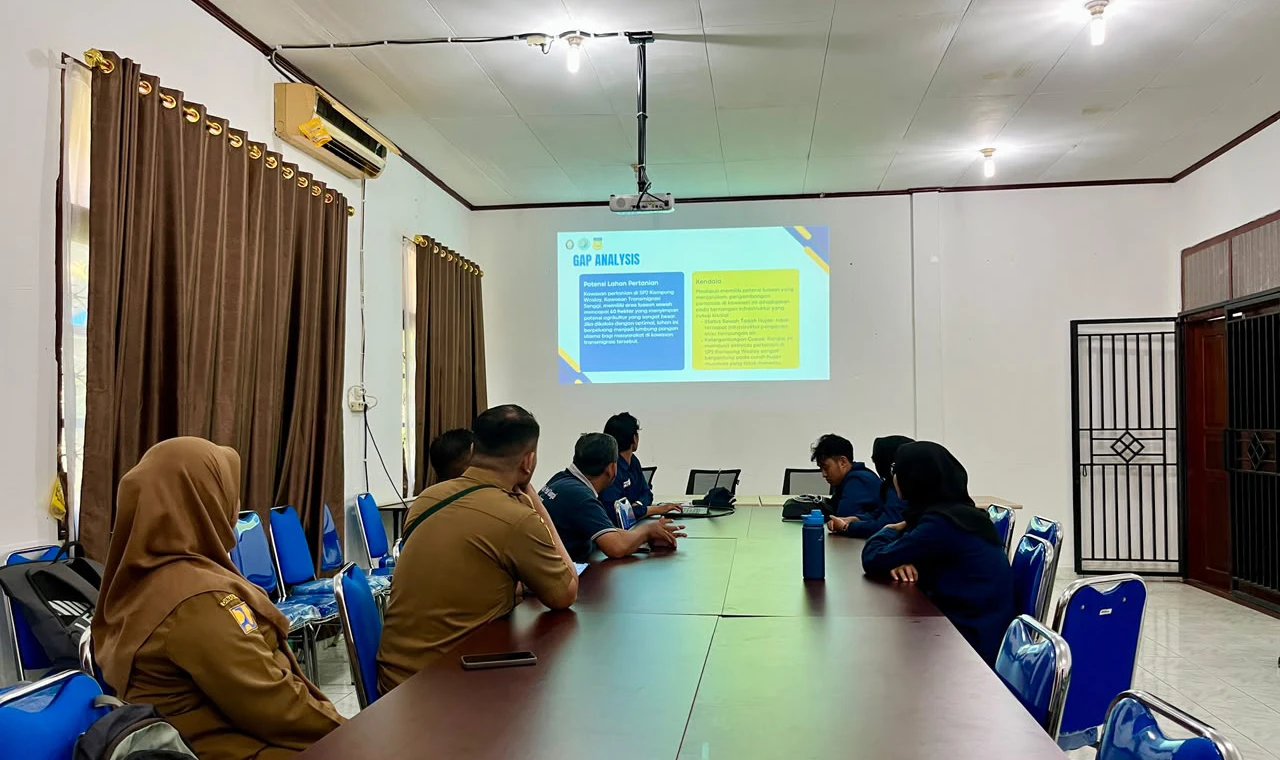
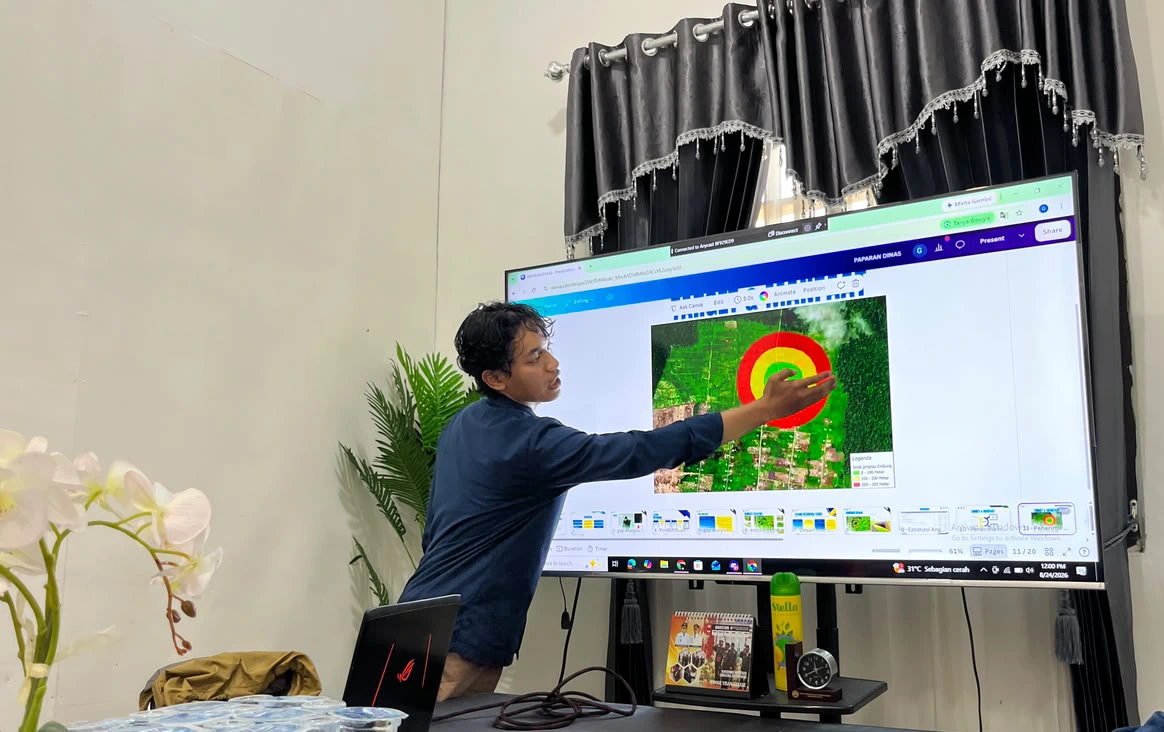
Complementing the technical assessment and community support, Team 17 TEP UNDIP conducted institutional coordination with the Keerom Regency Government on August 24, 2026. The meeting aimed to align the action plan with regional policies before the physical excavation of the reservoir with an excavator, scheduled for the end of August. During the meeting, the team presented the technical design of the reservoir at Route 3, SP 2 Senggi, along with its mapping of the community’s social conditions. The consultation was held with three relevant technical agencies: the Keerom Regency Public Works and Spatial Planning Agency (PUPR), the Agriculture Agency, and the Transmigration Agency.
Acting Head of the Transmigration Division, Maneta Bero, expressed his appreciation for the initiative to develop the water infrastructure. “We warmly welcome the activity plan prepared by the 2026 Patriot Expedition Team of UNDIP. We also feel greatly supported because, with the team’s presence, we can work together to improve the productivity of the transmigrant community in Senggi,” he said.
Meanwhile, Head of the Water Resources Division, Sisko, assessed that the soil analysis and hydrological design prepared by Team 17 TEP UNDIP were highly comprehensive and ready for implementation. Nevertheless, Sisko highlighted the importance of sociological considerations and customary land governance, as well as persuasive communication with local customary leaders, to ensure certainty about the land status at the site where the reservoir will be constructed. “About the use of the land for the reservoir, this can be clarified by approaching the Ondoafi or the local holders of customary land rights,” he said.
Sisko emphasized that harmony between transmigrant communities and indigenous communities, grounded in the spirit of cooperation (gotong royong), is a key pillar in ensuring that the reservoir’s water can be utilized peacefully and sustainably. If the construction of the reservoir at Route 3, SP 2 proves capable of stimulating farmers’ economic activities, the government recommends replicating similar infrastructure in other strategic areas, such as the Community Rice Field Development (CSR) areas. “My suggestion is that if this reservoir construction is successful, similar reservoirs could be developed at several locations near CSR areas in the future,” he added.
Meanwhile, Head of the Keerom Agriculture Agency, Hevi, provided a factual overview of irrigation conditions in Senggi’s rice fields. Although a tertiary network with stone-lined channels is already available, sedimentation in the main water storage canal has resulted in suboptimal water distribution to farmers’ fields. He noted that canal normalization is an urgent need that farmers have long awaited to ensure a smooth water supply.
The combination of TEP UNDIP Team 17’s reservoir-engineering innovation, the Agriculture Agency’s irrigation canal normalization program, and customary approval from the Ondoafi now forms a key foundation for strengthening food sovereignty in Senggi District. The synergy among university research, active community participation, and regional government support demonstrates that development in border areas requires the involvement of all stakeholders. From the land of Senggi, the water flowing from this reservoir carries a powerful message: national sovereignty begins with strong food security at the country’s borders.
The strategic program of Team 17 TEP UNDIP represents UNDIP’s commitment to supporting the Sustainable Development Goals (SDGs), particularly SDG 1 (No Poverty) and SDG 2 (Zero Hunger) through strengthened food security in border areas; SDG 6 (Clean Water and Sanitation) through sustainable irrigation management; SDG 9 (Industry, Innovation and Infrastructure) through research-based reservoir engineering innovation; and SDG 17 (Partnerships for the Goals) through cross-sectoral collaboration among academics, regional government, transmigrant communities, and local customary stakeholders. (Public Communication/UNDIP)