
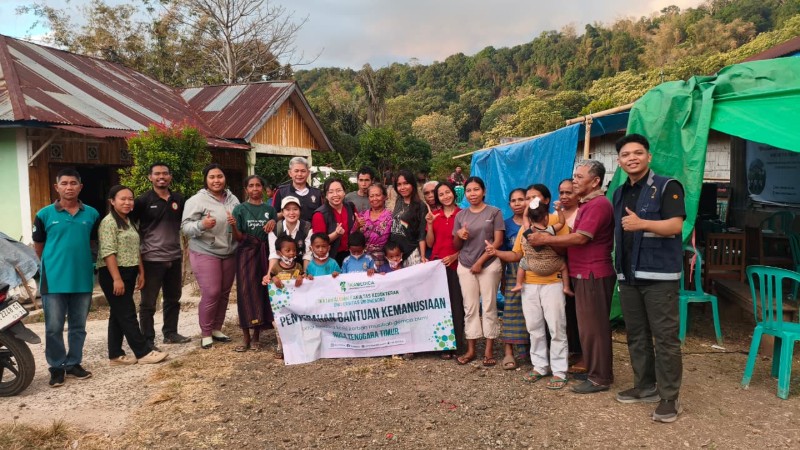
UNDIP, East Nusa Tenggara (6/9) – Universitas Diponegoro (UNDIP), through the Diponegoro Disaster Assistance Response Team (D-DART), deployed Team 2 to earthquake-affected areas in East Nusa Tenggara (NTT) on Friday (September 4, 2026). A total of eight personnel comprising healthcare and psychosocial professionals were deployed to provide direct services to affected communities.
To maximize emergency response in the field, the team was divided into two groups operating at two locations: SMPN 1 Cibal and Nobo Hamlet. Assistance focused on two key post-disaster needs: psychological recovery and community health services.
At SMPN 1 Cibal, the D-DART UNDIP psychosocial team provided Psychological First Aid (PFA) to students. The service aimed to reduce psychological distress and support the initial recovery process following their experience of the disaster.
Based on field assessments, the team found that several students and teachers were still experiencing significant anxiety and continued to think about the earthquake they had experienced. This condition demonstrates that the impact of the disaster was not only physical but also left a psychological burden requiring continued support.
Teachers were also facing a double burden. On the one hand, they had to recover psychologically as disaster survivors themselves. At the same time, they were responsible for supporting the students and providing them with a sense of security while conditions remained unstable.
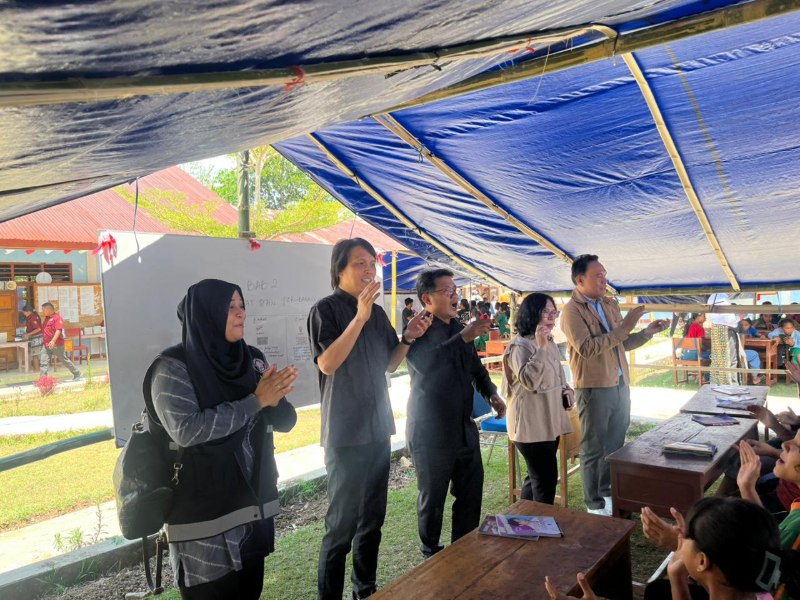
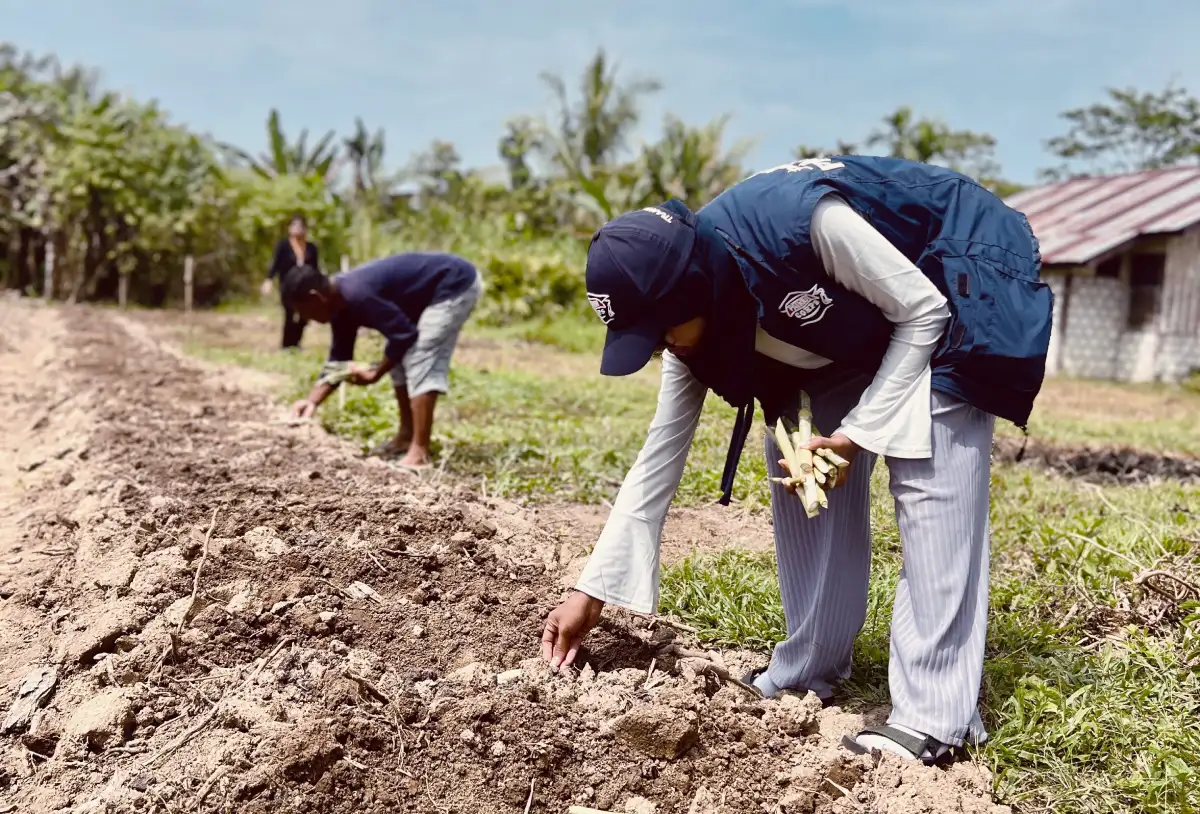
Meanwhile, the D-DART UNDIP healthcare team deployed to Nobo Sub-Village, where they provided medical examinations and health services to 52 residents. The services included not only general health checkups but also clinical procedures according to patients’ needs.
During the service, the team performed two minor surgical procedures involving patients with papillomas and abscesses. Health examinations of adult residents also found that the most common health complaint was Acute Respiratory Infection (ARI), along with various complaints related to trauma and body pain.
Special attention was also given to children’s health conditions. The team identified a significant number of cases involving children with malnutrition and ARI who required further attention and more intensive follow-up care. These findings became an important consideration in determining the health service needs for the next stage.
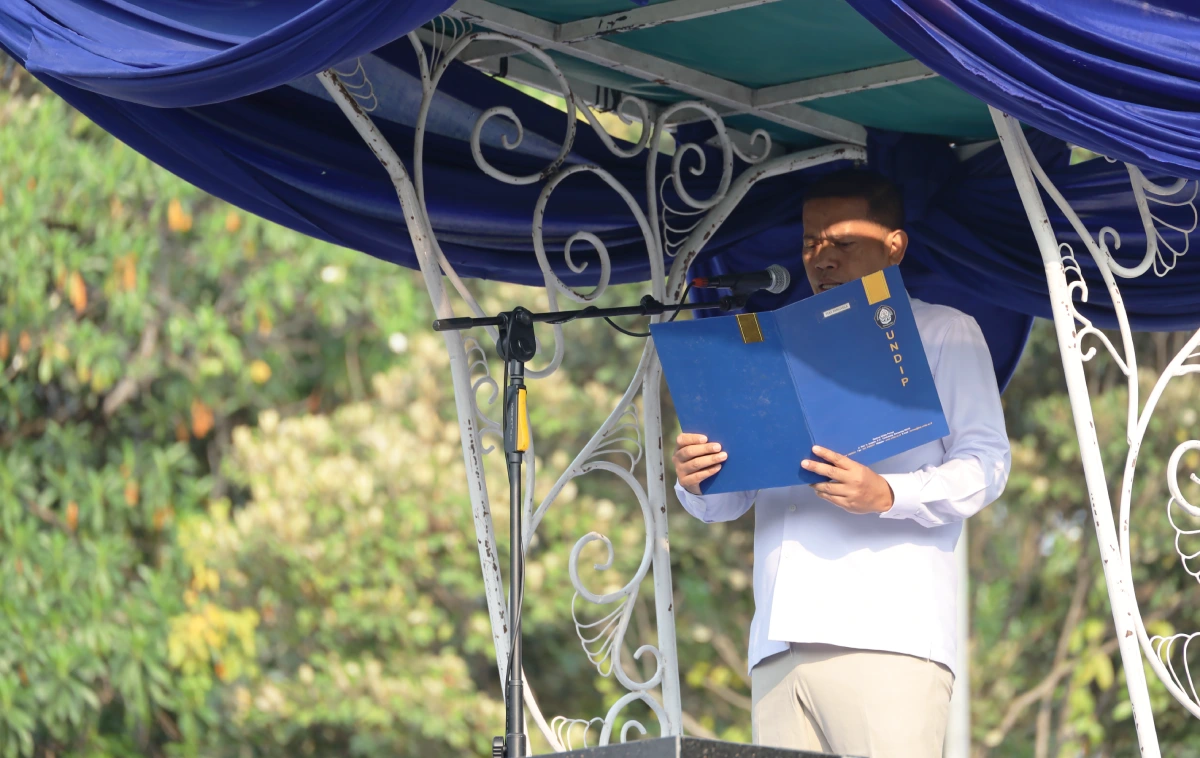
The deployment of D-DART UNDIP Team 2 is part of Universitas Diponegoro’s commitment to fulfilling its humanitarian role and community service, particularly in disaster situations. Through collaboration between healthcare and psychosocial professionals, the response addresses not only physical health conditions but also the psychological recovery of affected communities.
The presence of D-DART UNDIP in disaster-affected areas is expected to help communities through the emergency phase and identify further needs during the post-disaster recovery process. (Public Communication/UNDIP/Nur Maajid Taufiqurrahman-D-DART Team)