UNDIP, Senggi, Keerom Regency (13/9) – The impacts of the El Niño phenomenon, which have led to declining rainfall and increased drought risk, have become a serious challenge to agricultural productivity in the Senggi Transmigration Area, Keerom Regency, Papua. Limited water availability threatens the continuity of the planting season and may reduce crop yields for communities that rely on agriculture as their primary source of livelihood.
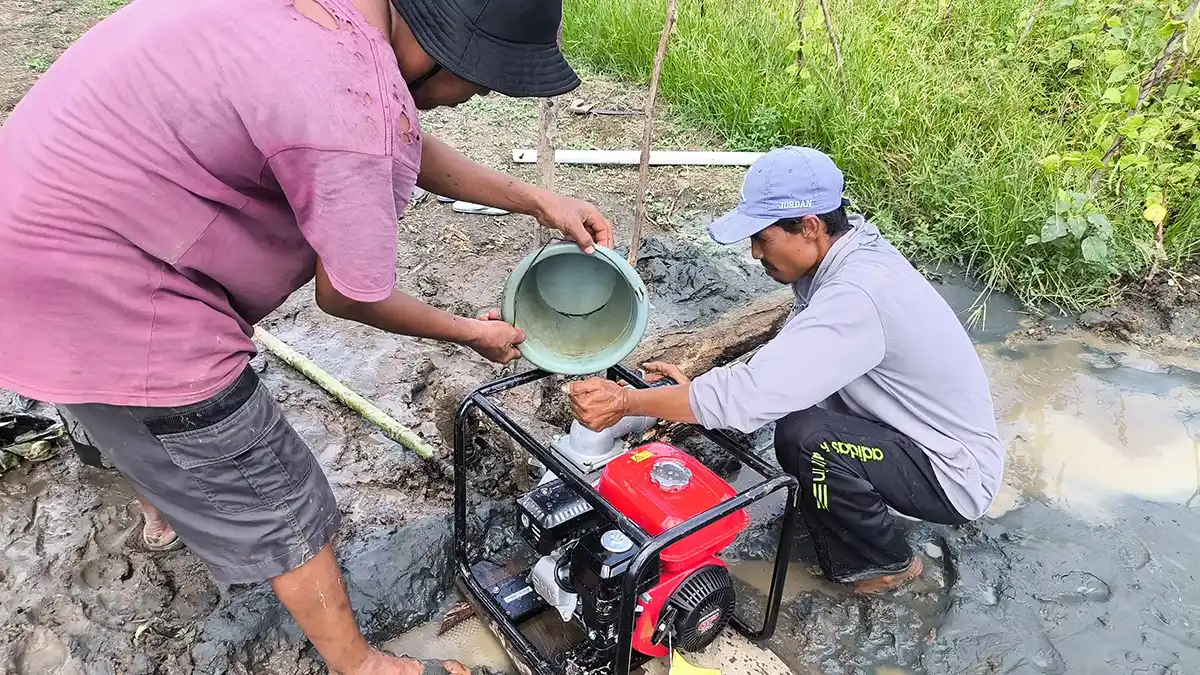
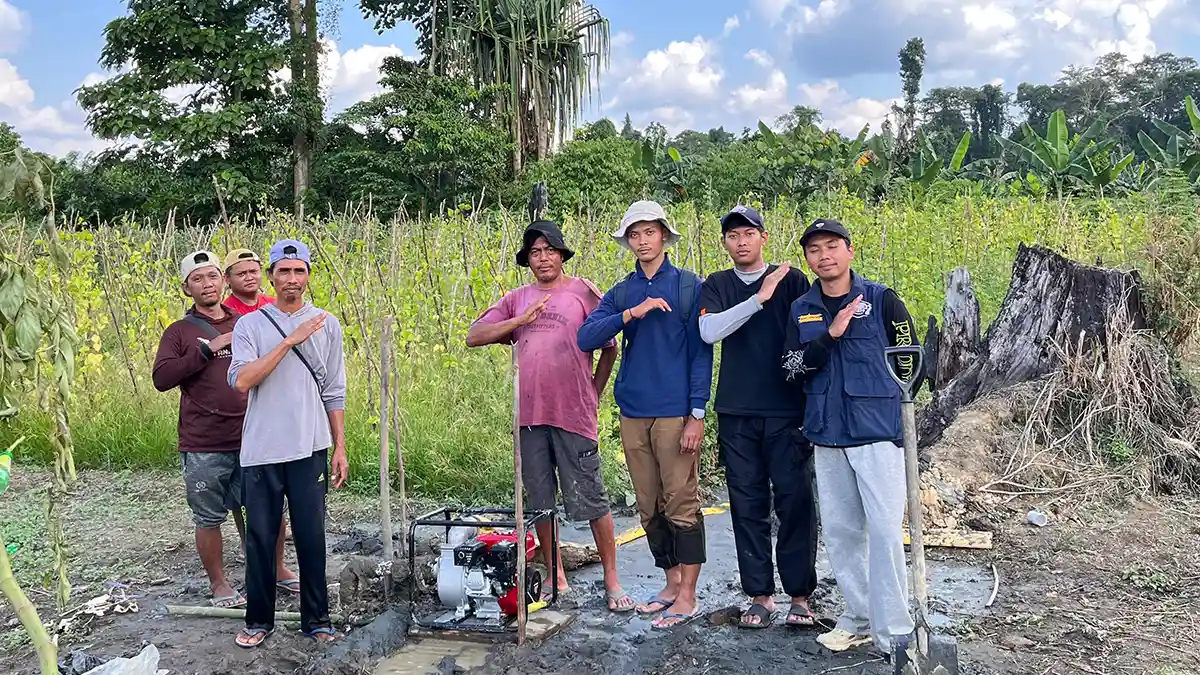
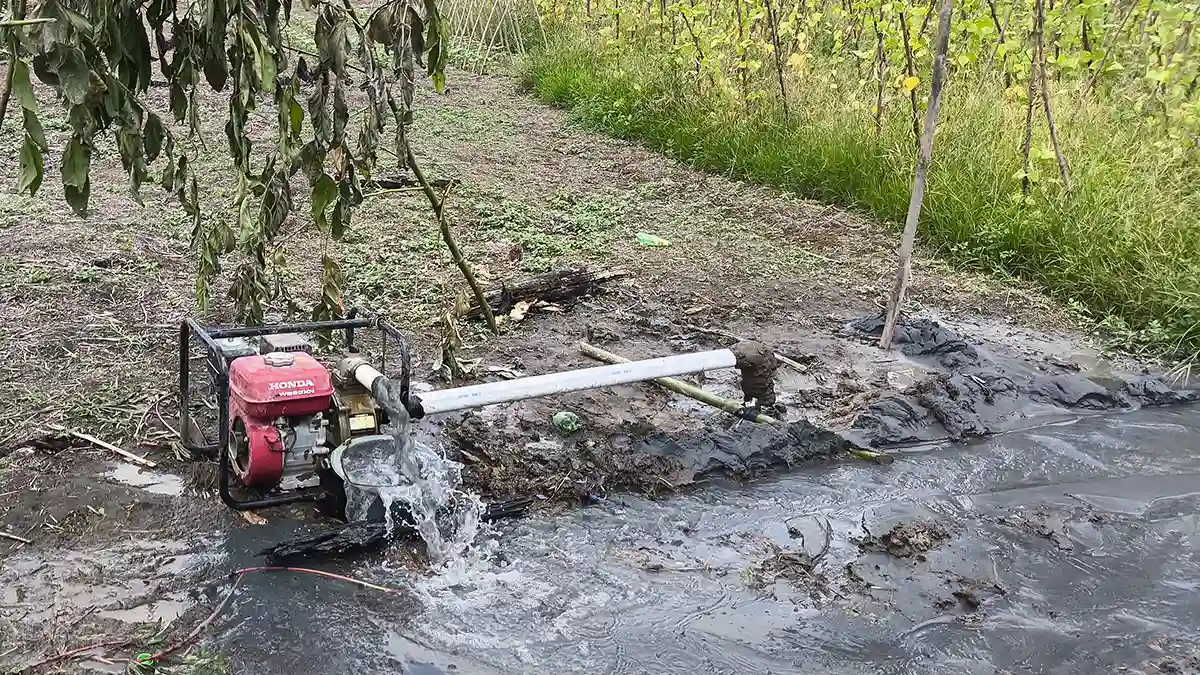
In response to these challenges, the Universitas Diponegoro Patriot Expedition Team (TEP UNDIP), through a collaboration between Team 7 and Team 12, has provided a concrete solution by constructing a deep well. The initiative aims to ensure a stable and evenly distributed irrigation water supply for approximately 10 hectares of community-owned rice fields.
The field implementation involved Team 7, led by Fajrin Pramana Putra, S.P., M.Sc., with members Adelia Regita Andini, S.P.W.K.; Siti Nuriyana, S.Si.; Samuel Hasudungan Hutagalung, S.P.W.K.; Punggah Assa’bana, S.P.; and Rizal Fahmi Imanullah, S.P., working in synergy with Team 12, led by Muhammad Iqbal Fauzan, S.P., M.Si., with members Ardhian Sasmita, S.A.B.; Fitran Dzulfikar, S.P.; Marta Junika Tambunan, S.Sos.; Nurkhafizah, S.P.W.K.; and Putri Duwi Ulia Sari, S.TP.
A representative of TEP UNDIP stated that the construction of the deep well reflects a shared commitment to supporting local communities in strengthening food security and resilience to climate change. “The construction of this deep well is a tangible contribution from TEP UNDIP to help the community address limited water availability. We hope this water source can be sustainably utilized to support irrigation for approximately 10 hectares of agricultural land,” said Fajrin Pramana, Head of Team 7 of TEP UNDIP.
The completion of the deep well was warmly welcomed and appreciated by local farming communities that have long depended on rainfall. Suroso, a representative of a farmers’ group in the Senggi Transmigration Area, expressed his gratitude for TEP UNDIP’s tangible contribution. “We are very grateful to the UNDIP Patriot Expedition Team for helping provide this deep well. For us farmers, water is a very important necessity. During the dry season and when rainfall becomes unpredictable, we often worry about the condition of our crops and the sustainability of the land we cultivate,” Suroso said.
He added that the availability of the deep well has brought renewed optimism for the sustainability of local food production. “With this deep well, we hope the surrounding farmland can continue to receive sufficient irrigation. Approximately 10 hectares of land can benefit from it, meaning we will not have to rely so heavily on rainfall. We hope agricultural production can be maintained and the community’s food needs can continue to be met,” he continued.
The construction of the deep well is viewed not merely as the development of physical infrastructure but also as a means of supporting the sustainability of local agricultural activities. With an alternative water source now available, farmers have greater opportunities to manage their land more systematically and to anticipate drought risks that could disrupt agricultural productivity.
The synergy between Team 7 and Team 12 demonstrates the importance of collaboration in addressing development challenges in transmigration areas. This approach places community needs at the center of determining appropriate interventions, ensuring that the contributions provided can deliver direct and sustainable benefits. Through this concrete action in the field, TEP UNDIP hopes the deep well will become a long-term asset in strengthening food self-reliance and the resilience of the Senggi transmigration community to the impacts of climate change.
The agricultural water infrastructure initiative also contributes to the achievement of the Sustainable Development Goals (SDGs), particularly SDG 2 (Zero Hunger) by strengthening agricultural productivity and sustainable food production systems; SDG 6 (Clean Water and Sanitation) through improved efficiency and management of agricultural water resources; SDG 13 (Climate Action) through adaptation measures addressing the impacts of El Niño-induced drought; and SDG 17 (Partnerships for the Goals) through applied research collaboration between higher education institutions and farmers’ groups. (Public Communication/UNDIP)