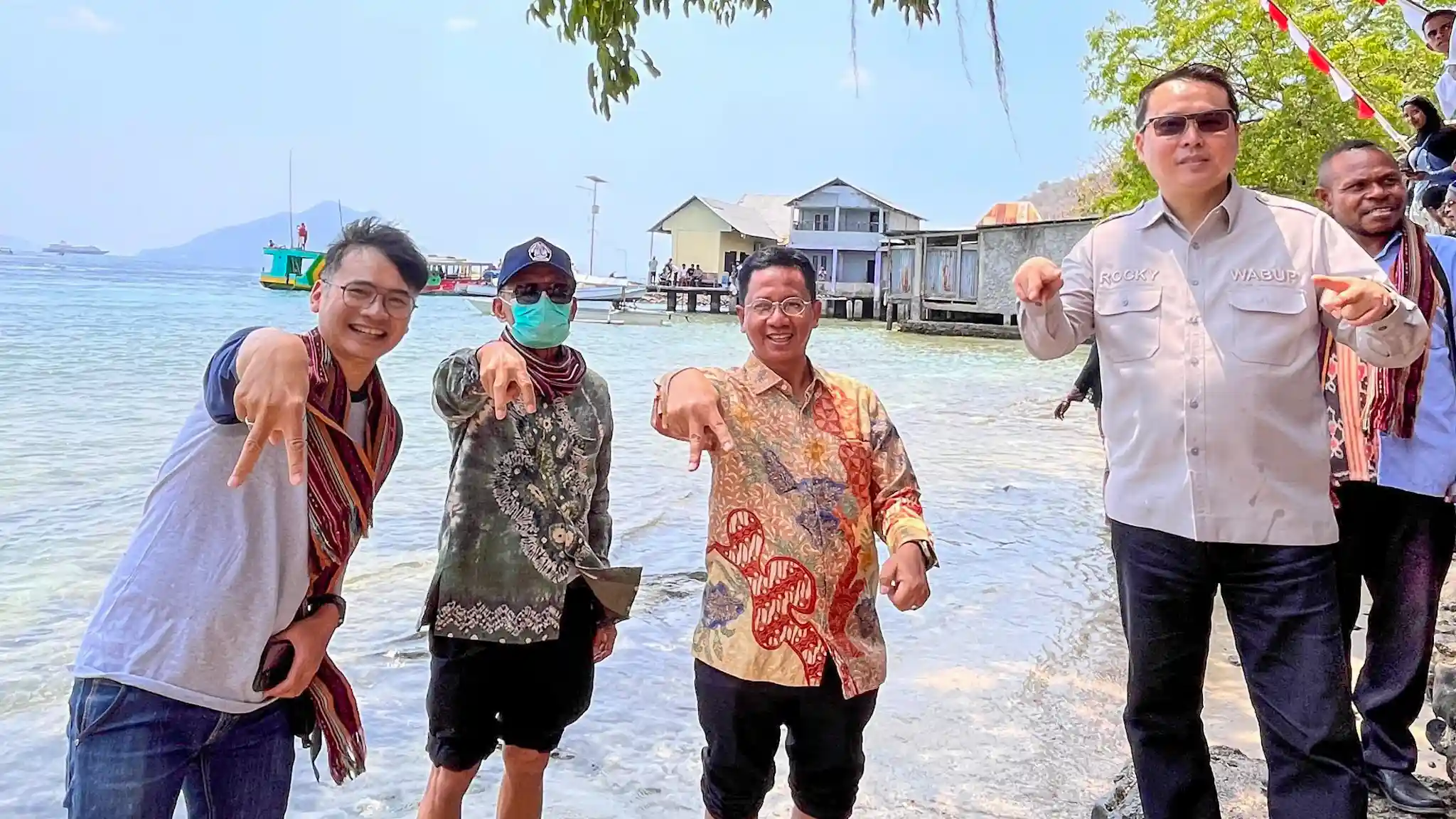
UNDIP, Alor, East Nusa Tenggara (13/9) – A scientific prediction by Universitas Diponegoro (UNDIP) regarding the emergence of the Cold Seawater (Air Laut Dingin/ALaDin) phenomenon in Alor Kecil, Alor Regency, East Nusa Tenggara, was confirmed when the phenomenon occurred during the opening of the 2026 Cold Seawater Festival (Festival Air Laut Dingin/ALaDin) on Saturday, September 12, 2026.
The natural phenomenon, which is a unique attraction of Alor Regency, emerged as Alor Deputy Regent Rocky Winaryo, S.H., M.H., delivered his remarks at the festival opening. The moment also demonstrated how university research can directly contribute to the development of regional tourism potential.
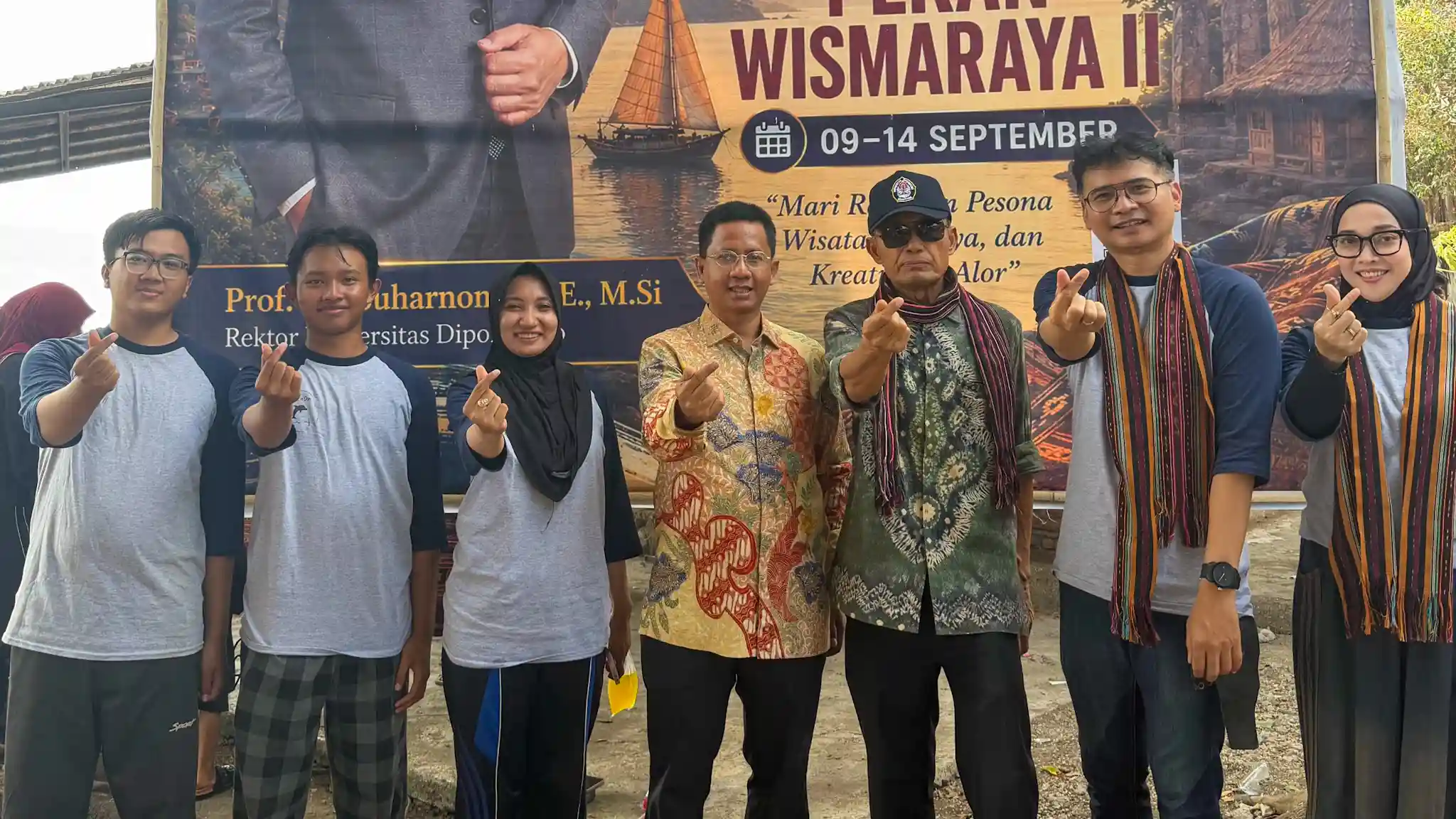
The 2026 ALaDin Festival was held in Alor Kecil Village, Northwest Alor District, in collaboration among the Alor Regency Government, UNDIP, and Universitas Tribuana Kalabahi (UNTRIB), under the Strategic Synergy Research Downstreaming Program funded by the Indonesia Endowment Fund for Education (LPDP). The event was attended by representatives of UNDIP and UNTRIB leadership, local government officials, MSME actors, residents, and local traditional elders.
The Cold Seawater phenomenon in Alor Kecil is a natural phenomenon in which deep seawater masses with very low temperatures rise to the surface. Scientifically, the phenomenon is known as an Extreme Upwelling Event (EUE) and occurs over a relatively short period of approximately one to two hours.
The phenomenon is unique because seawater temperatures can change very rapidly. During an ALaDin event, seawater temperatures can drop to around 15 degrees Celsius within approximately one hour. This condition can cause fish to become incapacitated or even die and trigger other phenomena, including dolphins surfacing.
Before the phenomenon occurred, UNDIP’s prediction had been met with some skepticism. Alor Deputy Regent Rocky Winaryo admitted he had not been entirely convinced that the Cold Seawater phenomenon would emerge as predicted by the UNDIP research team, led by Prof. Dr. Sc. Anindya Wirasatriya, S.T., M.Si., M.Sc., from the Oceanography Study Program at the Faculty of Fisheries and Marine Sciences.
The skepticism turned into excitement when the ALaDin phenomenon emerged alongside the festival’s opening.
The event marked an important moment for the Alor Regency Government to become more confident in developing Cold Seawater as a science-based tourism attraction. The local government hopes UNDIP’s research can continue to be developed so that the natural phenomenon not only serves as a research subject but also generates added value for the tourism sector and the local economy.
UNDIP’s involvement in researching and promoting the ALaDin Festival also received appreciation from the Alor indigenous community.
Representing the indigenous community, an Alor traditional elder expressed gratitude to UNDIP for its attention and contribution to research on the Cold Seawater phenomenon. UNDIP’s presence was considered to provide a new perspective on Alor’s natural potential while helping introduce the phenomenon to the wider public and the world.
For the local community, ALaDin is more than just a natural phenomenon. Its occurrence forms part of Alor’s natural heritage and regional identity, with potential for sustainable development while preserving cultural values and local wisdom.
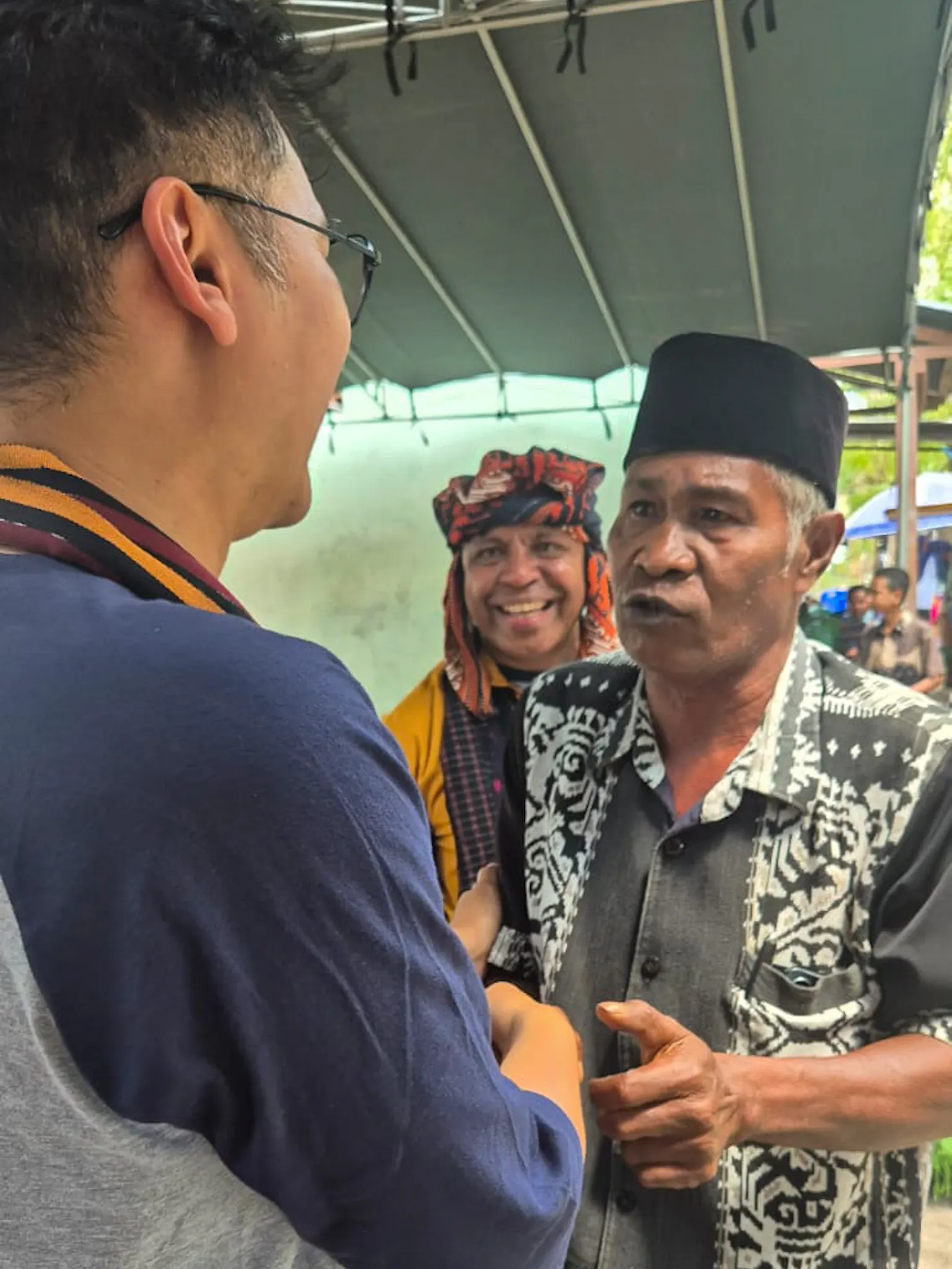
Collaboration among universities, local governments, indigenous communities, and tourism stakeholders is key to ensuring that this potential is managed responsibly.
Representing the Rector, UNDIP Vice Rector for Human Resources, Information Technology, Law and Organization, Prof. Dr. Adian Fatchur Rochim, S.T., M.T., reaffirmed UNDIP’s commitment, as a research university, to continuously produce innovations that provide tangible benefits to society.
“As an excellent research university, UNDIP continues to strive to contribute and develop innovations that benefit society and create meaningful impact,” he said.
According to Prof. Adian, university research should not stop at academic achievements but should also be directed toward addressing community needs and supporting regional development.
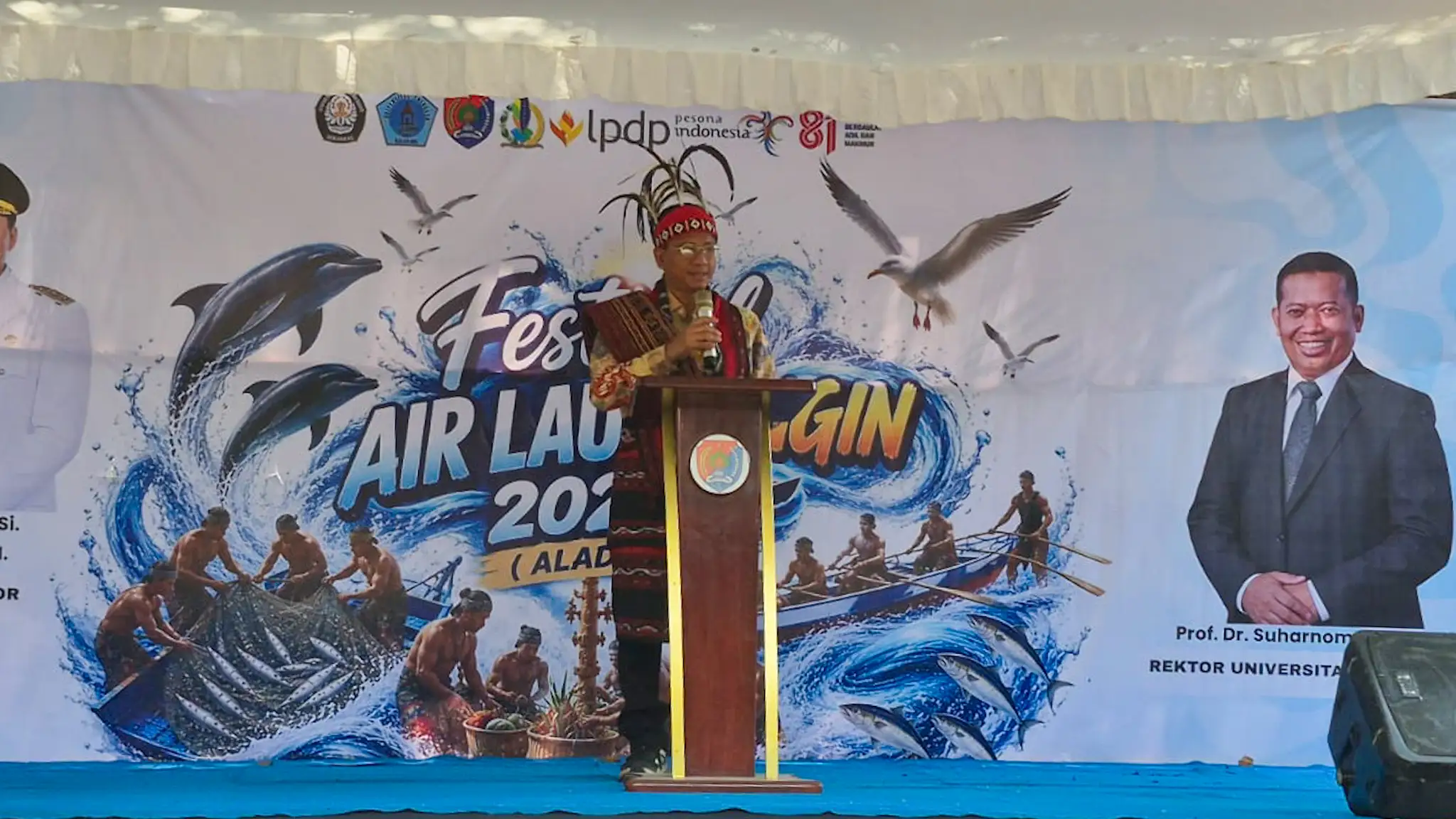
Collaboration at the 2026 ALaDin Festival is one example of how research findings can be connected with local potential to create broader benefits.
“This is in line with UNDIP’s tagline, ‘Noble and Valuable UNDIP,'” he emphasized. (Public Communication/UNDIP/Ut)