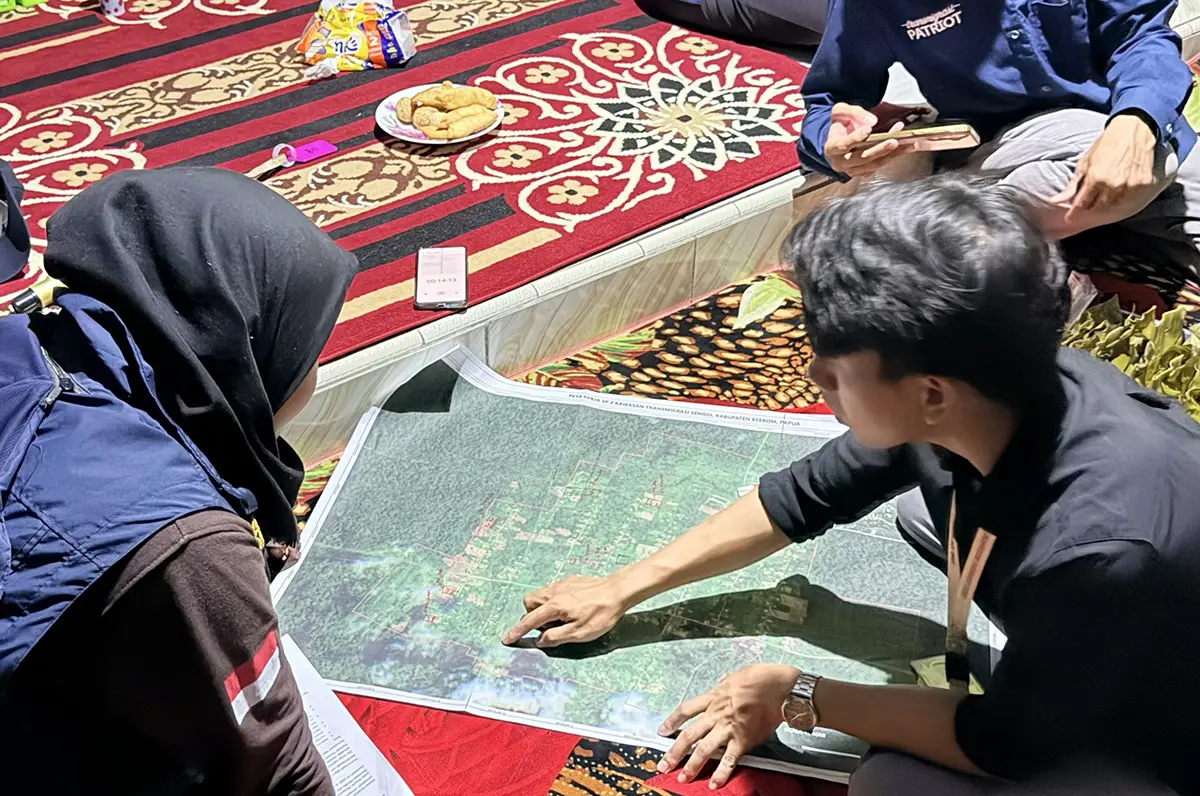
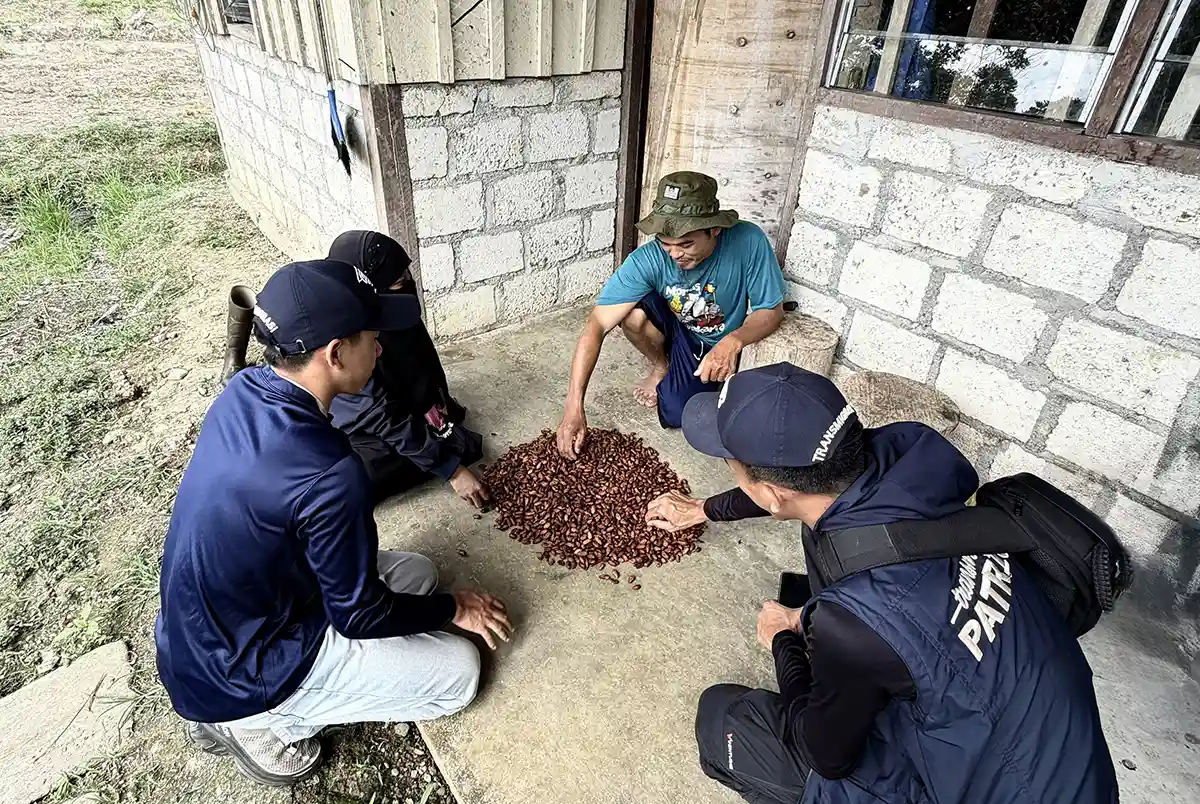
UNDIP, Senggi, Keerom Regency (17/9) – Team 11 of the Universitas Diponegoro (UNDIP) Patriot Expedition Team (TEP), assigned to the Senggi Transmigration Area in Keerom Regency, Papua, is promoting downstream cocoa development. The initiative involves mapping commodity conditions, identifying the business chain, strengthening the upstream production base, and designing value-added products that local communities can independently manage.
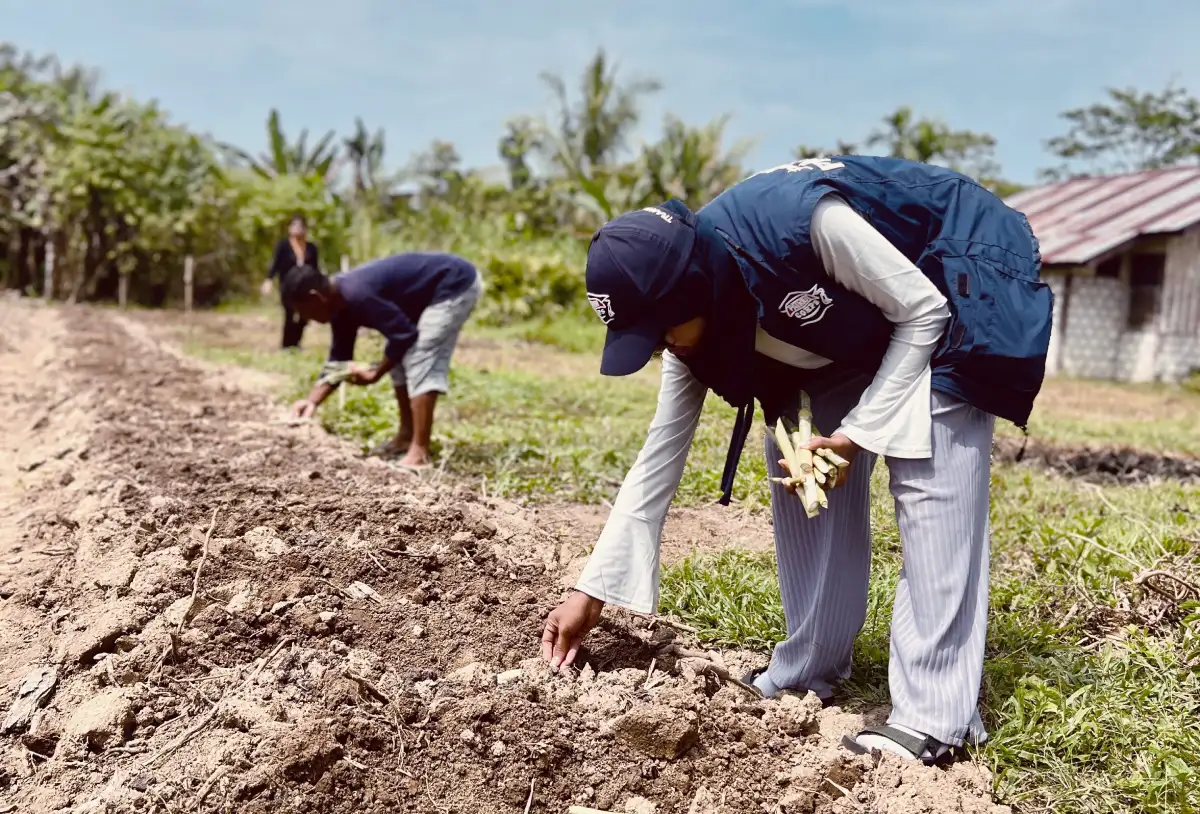
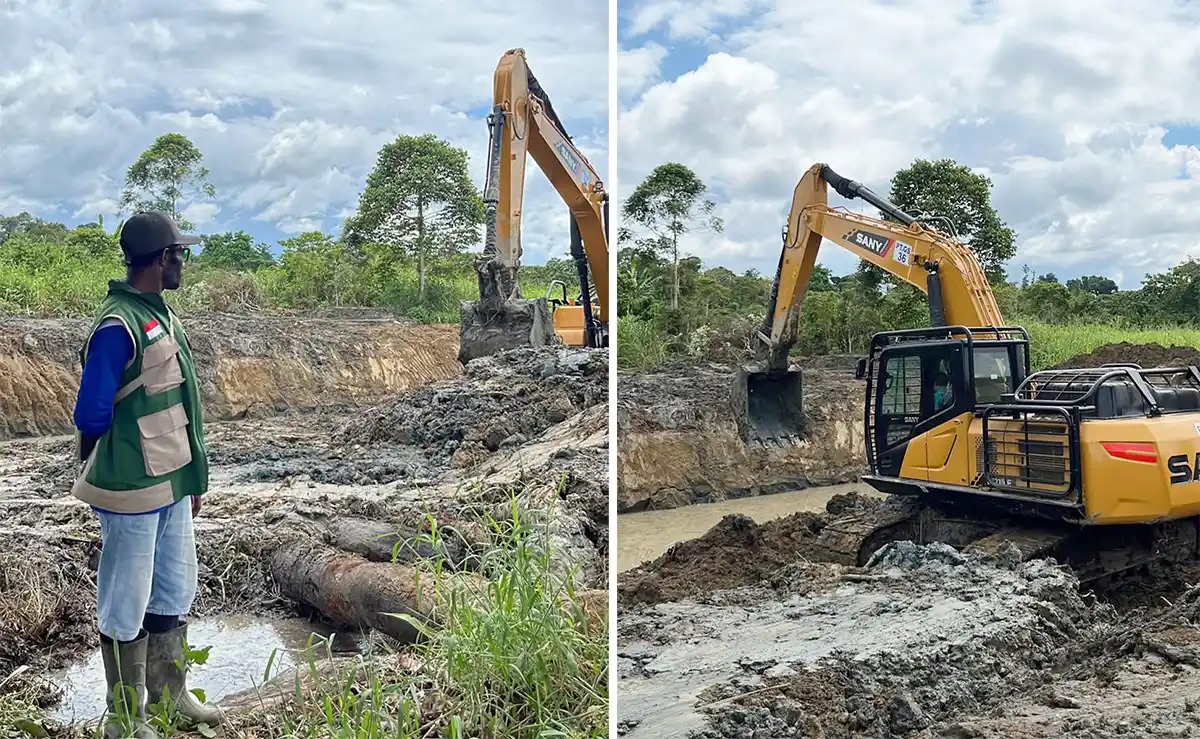
Team 11, led by M. Indra Hadi Wijaya, S.T., MPWK., along with five members—Dasdo Wahyu Saragih, S.P.W.K.; Maela Rosinta, S.P.; Narda Nadia Putri, S.M., M.M.; Dwi Sanjaya Rahayu Ohee, S.Tr.P.; and Rayhan Ahmad Zaki, S.E.—began a series of field activities throughout August 2026. The activities included coordination with stakeholders, plantation surveys and mapping, interviews with business operators, mini focus group discussions (FGDs), and validation of cocoa development potential in the Senggi Transmigration Area.
Initial findings indicate that strengthening the upstream production chain is the top priority before moving toward providing processing machinery or producing finished products. Several cocoa plantations in the area have experienced declining productivity due to pest infestations, limited access to high-quality seedlings, fertilizers, and pesticides, and insufficient institutional support and farming capacity.
Despite upstream challenges, the team identified strong social capital, evidenced by high community interest in replanting. A survey of 22 local farmers confirmed residents’ enthusiasm for revitalizing their cocoa plantations. Farmers’ main needs include technical training, cultivation assistance, access to financing and price and market certainty.
“If there are good-quality cocoa seedlings, we are willing to plant again. We used to have many cocoa plantations, but many are now old and no longer productive. We hope to start again, especially if there is assistance and a market for the harvest,” said Udin, a local farmer. His statement reflects farmers’ optimism about revitalizing their plantations if supported by access to planting materials, technical assistance, and a clear market.
Team 11 Leader M. Indra Hadi Wijaya, S.T., MPWK., emphasized that investment in processing technology must be based on factual field data. “Downstream development is not simply about providing processing equipment. We first need to know who the farmers are, where their plantations are located, the condition of their crops, their production potential, how post-harvest handling is carried out, and where the products will be marketed. Therefore, upstream and downstream development must be designed as an integrated business chain,” he said.
To this end, Team 11 has designed an integrated development scenario that begins with plantation revitalization and the strengthening of farmer groups, followed by the standardization of post-harvest processes such as fermentation, drying, and sorting. The resulting high-quality fermented cocoa beans will then be directed toward processing, packaging, branding, and marketing distinctive Senggi-processed cocoa products. This approach is aligned with the 2026 policy direction of the Ministry of Agriculture, which promotes the national rejuvenation of cocoa plantations so that the commodity does not stop at the trade of raw materials but can be developed into fermented beans, cocoa liquor, cocoa butter, and finished chocolate products with high added value at the local level.
To ensure the sustainability of the program, the team is establishing close collaboration with local governments, village governments, Ondoafi customary leaders, Agricultural Extension Centers (BPP) and agricultural extension officers, village-owned enterprises (BUMDes), and local collectors. The next stage will focus on finalizing farmer mapping data, developing cultivation and post-harvest standard operating procedures (SOPs), and determining precise appropriate technologies. The ultimate goal is to build an independent and competitive cocoa business ecosystem so that farmers and the Senggi community can directly experience the greatest economic benefits.
The initiative and assistance provided by TEP UNDIP in the Senggi Transmigration Area also contribute to the achievement of the Sustainable Development Goals (SDGs), particularly SDG 1 (No Poverty) through increased income and welfare for local farmers; SDG 8 (Decent Work and Economic Growth) through the development of a productive economic ecosystem based on commodity downstreaming; SDG 12 (Responsible Consumption and Production) through the implementation of post-harvest standards and integrated value chain management; and SDG 17 (Partnerships for the Goals) through multi-stakeholder collaboration involving academics, local governments, Ondoafi customary leaders, and local communities. (Public Communication/UNDIP)