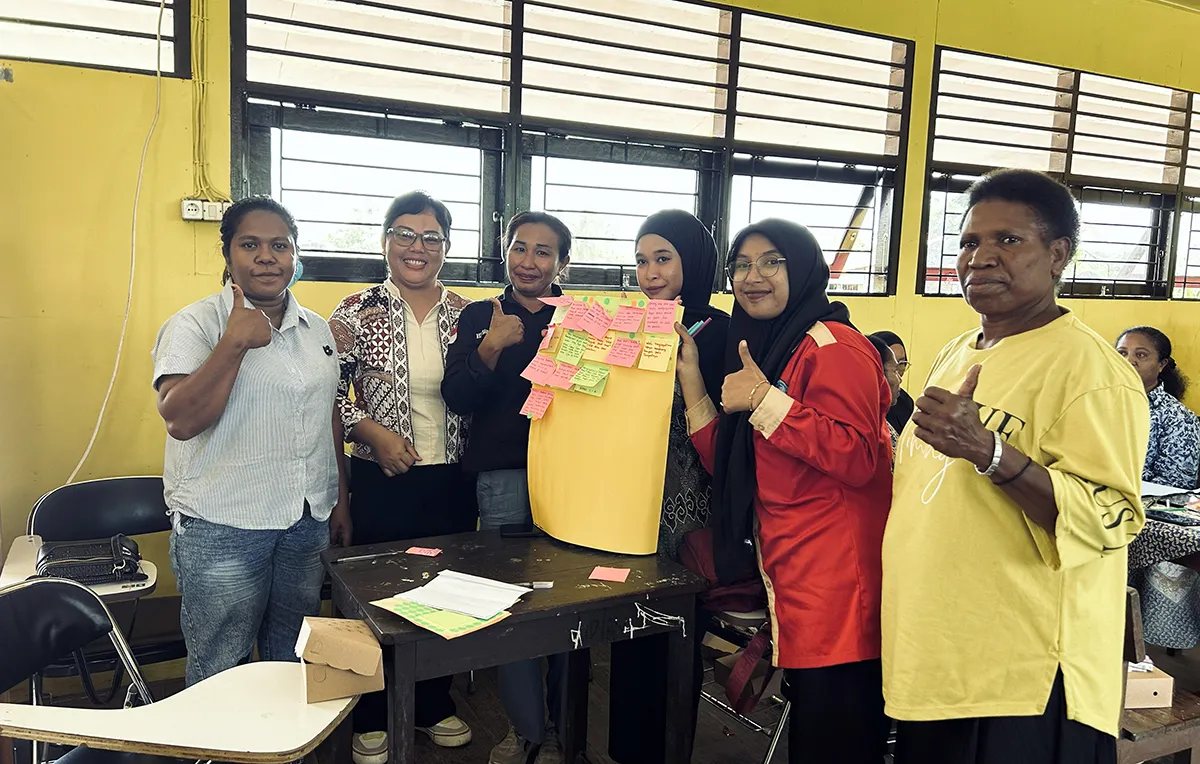
UNDIP, Senggi, Keerom Regency (19/9) – The Patriot Expedition Team of Universitas Diponegoro (TEP UNDIP) Team 8 is promoting the strengthening of Clean and Healthy Living Behaviors (Perilaku Hidup Bersih dan Sehat / PHBS) among elementary school students in Senggi District, Keerom Regency, Papua. The initiative is part of an effort to foster healthy habits through an integrated approach that involves education, health, families, and communities, while upholding local cultural values.
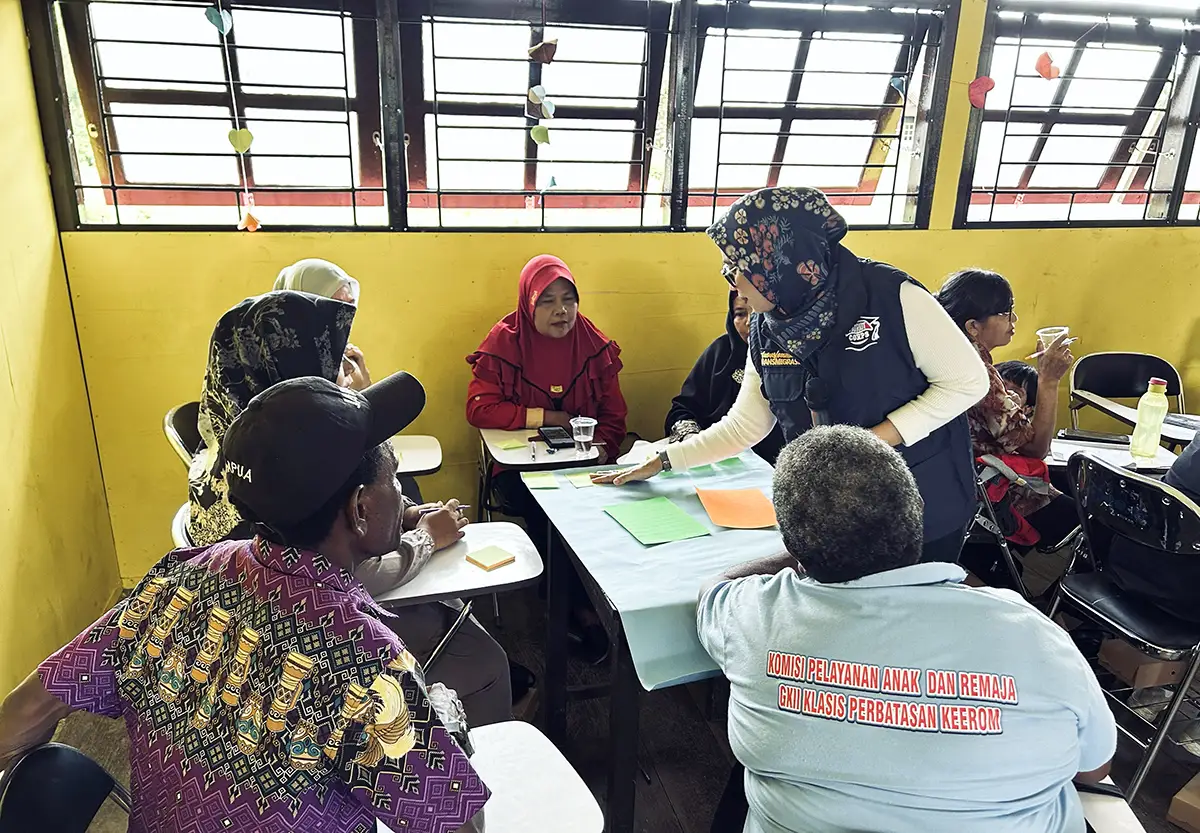
The collaborative activity was led by Team 8 Coordinator Imaniar Sevtiyani, S.K.M., M.K.M. It involved the Senggi Community Health Center (UPTD Puskesmas Senggi), SD SOOM, SD Inpres 1, teachers, parents of students in Grades 1–6, and representatives of the Indigenous Papuan (OAP) community. Through joint discussions, participants explored various aspects of children’s daily habits, including handwashing practices, physical activity and dietary patterns, while also identifying challenges in implementing healthy behaviors at school and at home.
One of the main topics discussed was handwashing habits. Several parents said their children had already begun washing their hands before and after meals, after handling animals, and whenever their hands were dirty. However, these positive habits have largely been practiced only at home.
At school, meanwhile, efforts to establish the same habits remain constrained by the availability of supporting facilities. Some handwashing stations are not yet child-friendly, including faucets positioned too high for students to reach comfortably. This can discourage students from washing their hands before meals while at school. In response, the UNDIP Patriot Expedition Team, together with schools and families, is committed to providing ongoing education and fostering healthy habits so that clean and healthy behaviors can be practiced consistently wherever children are.
In addition to PHBS, physical activity was also highlighted as an important component of children’s growth and development. At school, movement-based activities have been creatively integrated into daily routines, including chants after prayers, ice-breaking activities between lessons, and group exercise every Friday. The UNDIP Patriot Expedition Team emphasized that children’s physical activity does not always have to be formal exercise. Movement can be encouraged through enjoyable activities that are closely connected to their daily lives, such as traditional games, singing, dancing, and group activities. This approach is expected to make physical activity enjoyable and naturally integrated into students’ daily routines.
Equally important, discussions on children’s health also addressed dietary habits within families. During the discussion session, parents shared their experiences in maintaining their children’s nutritional intake, including limiting sugar, salt, and oil consumption while prioritizing real foods rich in protein, vegetables, and carbohydrates.
One parent, Siti Mukmainah, explained that her family tries to prepare meals using simpler cooking methods, such as boiling and steaming, while prioritizing foods rich in protein and fiber. “We prioritize protein, such as tofu, tempeh, eggs, fish, and chicken, followed by vegetables or fiber, as well as carbohydrates,” she said. She added that the family also pays attention to the composition of the food their children consume and limits ultra-processed foods such as sausages, nuggets, and instant noodles.
The activity served as a tangible platform for synergy among higher education institutions, health facilities, schools, families, and communities in creating an inclusive environment that supports children’s growth and development. This collaboration is expected to extend beyond educational sessions and evolve into a sustained collective movement in Senggi District, Keerom Regency.
The initiatives and concrete actions undertaken by the UNDIP Patriot Expedition Team to strengthen PHBS, nutrition, and healthy environments in Papua also contribute to the achievement of the Sustainable Development Goals (SDGs), particularly SDG 3 (Good Health and Well-Being) through efforts to improve children’s health and well-being; SDG 4 (Quality Education) by fostering a learning environment that supports students’ health; and SDG 17 (Partnerships for the Goals) through cross-sector collaboration among academics, health workers, schools, and local communities. (Public Communication/UNDIP)