
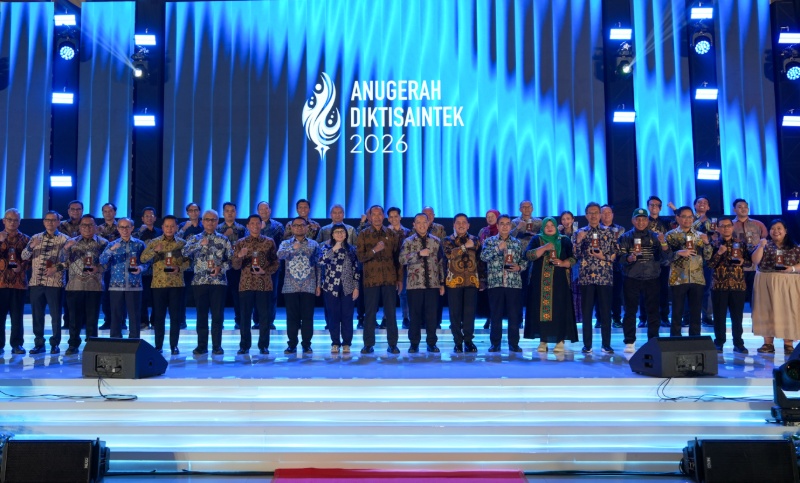
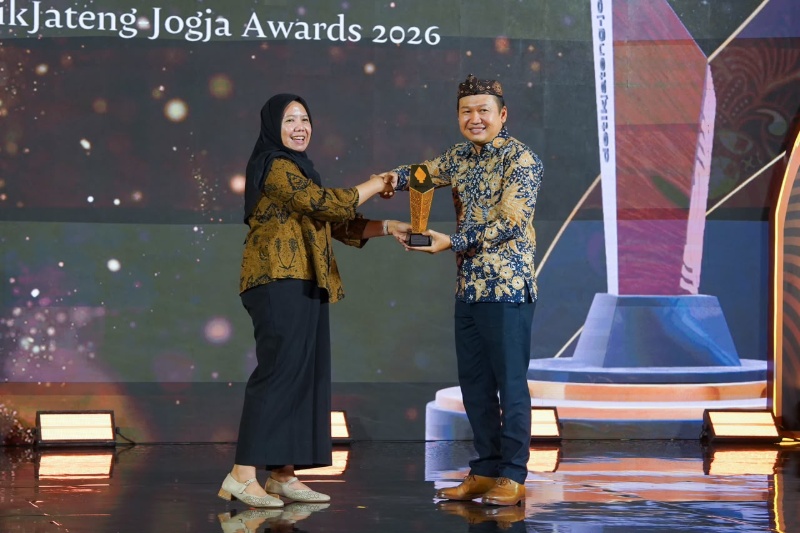
UNDIP, Batang (23/10) – Universitas Diponegoro (UNDIP) received an award in the category of “Innovator in Sustainable Environmental Preservation Technology” at the 2026 DetikJateng-Jogja Awards. The award recognizes UNDIP’s contribution to developing technological innovations that support environmental preservation and sustainably address community needs. The award ceremony was held on Friday, October 23, 2026, at the Industropolis Batang Special Economic Zone (SEZ), Central Java.
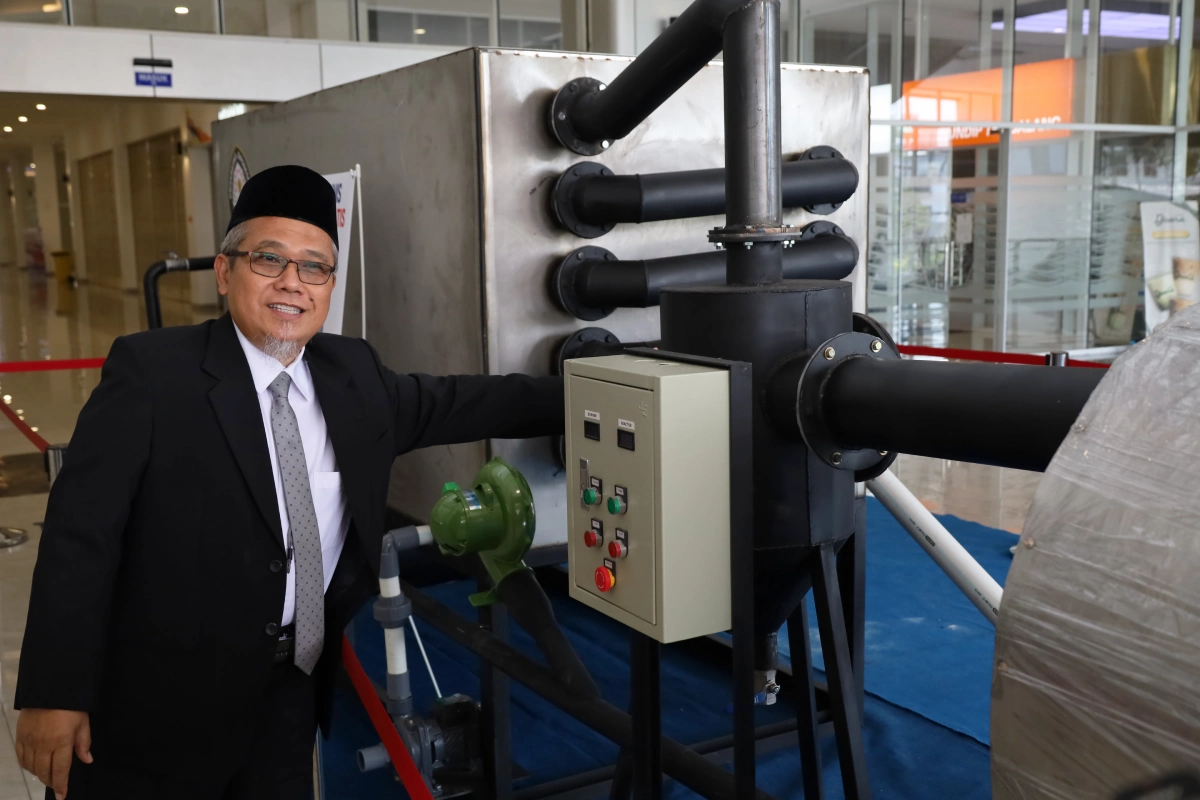
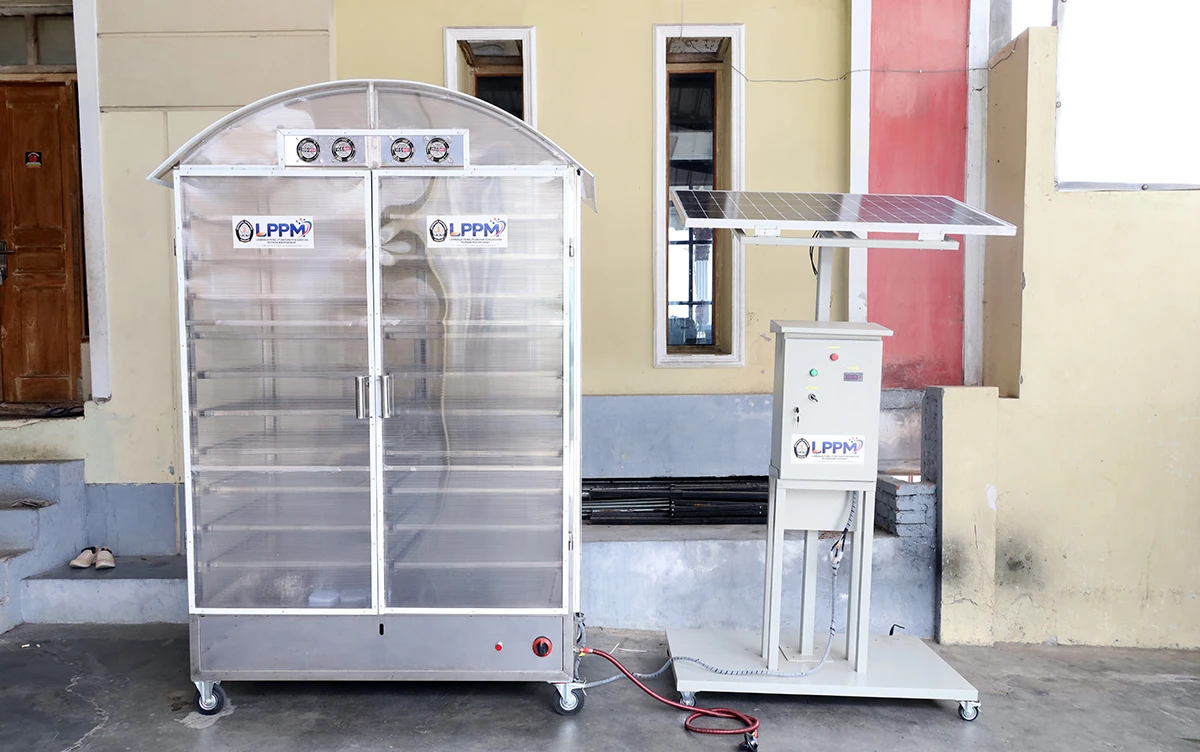
The award was received by UNDIP Vice Rector IV for Research, Innovation, Cooperation, and Public Communication, Wijayanto, S.I.P., M.Si., Ph.D. One of the innovations highlighted was desalination technology designed to process brackish water into clean, ready-to-drink water. The technology is currently operating at 11 locations across Central Java, including Demak, Jepara, Rembang, and Brebes.
The desalination technology provides a solution for communities along the northern coast of Java that face tidal and other flooding and limited access to clean water due to high salinity. Its application has also reached remote areas and disaster-affected regions, including Sumatra, through collaboration with the National Disaster Management Agency (BNPB).
Wijayanto expressed his pride and gratitude for the recognition UNDIP received. According to him, the award reflects public trust in UNDIP’s efforts to develop technological innovations that provide tangible benefits to society, particularly through desalination technology that expands access to clean water in various regions.
“We are honored and, of course, very pleased to receive this award. It reflects public trust in what we have accomplished. UNDIP has developed desalination machines that are already operating at 11 locations in Central Java, as well as in Nusakambangan, Maluku, and flood-affected areas in Sumatra. This year, BNPB Central Java has also used our innovation, the UNDIP Mobile Water Treatment system, for disaster response. In the future, we will certainly continue to develop this desalination technology because so many areas across the Indonesian archipelago urgently need drinking water and clean water,” said Wijayanto.
In addition to desalination technology, UNDIP has developed an innovation that converts plastic waste into fuel through pyrolysis. This technology enables plastic waste to be processed into an alternative energy source while also addressing challenges in waste management and energy needs.
The development of these two innovations demonstrates UNDIP’s commitment to encouraging the downstream application of research outcomes to address real challenges in society. Through practical and sustainable innovations, UNDIP continues to strengthen the role of higher education in supporting environmental preservation, clean water provision, and the development of alternative energy.
The 2026 DetikJateng-Jogja Awards serve both as recognition and motivation for UNDIP to continue producing research and innovations that provide tangible benefits to society. The award is also inseparable from UNDIP’s efforts to expand the publication and dissemination of its water desalination technology so that its benefits become more widely known.
In line with the spirit of “Noble and Valuable UNDIP,” UNDIP continues to encourage its lecturers and researchers to develop innovations that are not only academically excellent, but also capable of providing concrete solutions to various societal challenges.
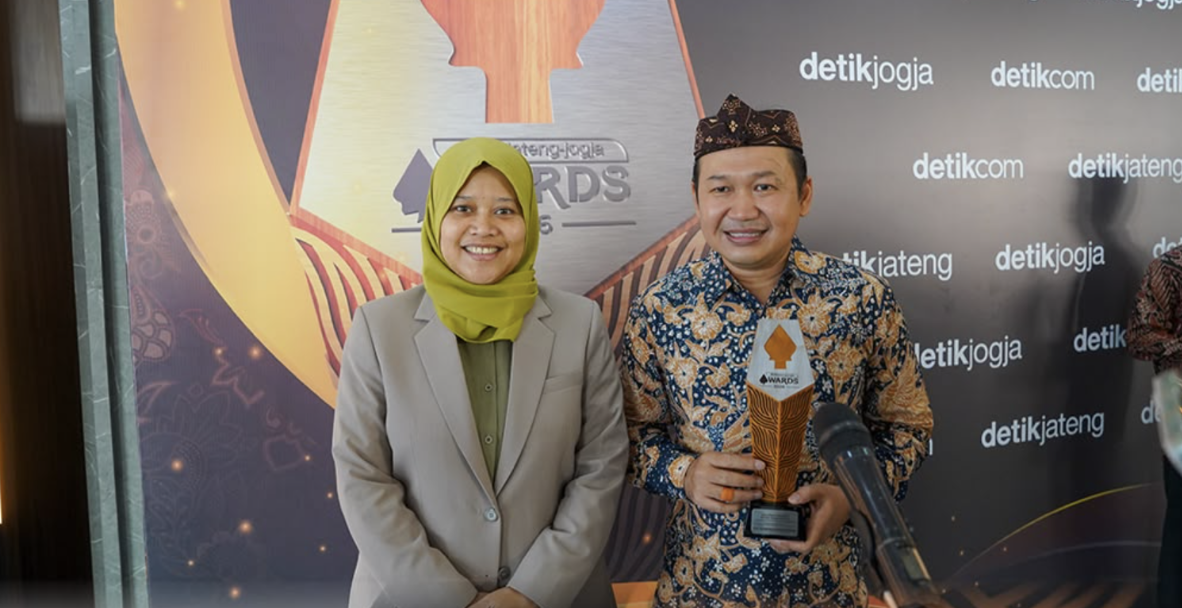
UNDIP’s innovations also support the achievement of five Sustainable Development Goals (SDGs), particularly SDG 6 (Clean Water and Sanitation) through the provision of clean water for communities; SDG 9 (Industry, Innovation and Infrastructure) through the development of appropriate technologies; SDG 11 (Sustainable Cities and Communities) through strengthening access to clean water in coastal areas and disaster-affected regions; SDG 12 (Responsible Consumption and Production) through the utilization of plastic waste as an alternative energy source; and SDG 17 (Partnerships for the Goals) through collaboration with BNPB and various stakeholders in implementing innovations for society. (Public Communication/UNDIP/Evan)