UNDIP, West Sumatra (January 12, 2026) – The Department of Nutrition, Faculty of Medicine, Universitas Diponegoro (UNDIP), in collaboration with Universitas Andalas (UNAND), implemented the 2025 Emergency Disaster Response Community Service Program funded by the Ministry of Higher Education, Science, and Technology entitled “Optimizing Nutritional Fulfillment for Toddlers, Pregnant Women, Breastfeeding Mothers, and the Elderly through Emergency Nutrition Post Assistance” at flood evacuation sites in West Sumatra. Binar Panunggal, S.Gz., M.P.H., led the program, with team members Dr. Etika Ratna Noer, S.Gz., M.Si., Dr. Fitriyono Ayustaningwarno, S.TP., M.Si., and Dr. Nuryanto, S.Gz., M.Gizi., and supported by Mursid Tri Susilo, S.Gz., M.Gizi., as well as UNDIP undergraduate nutrition students Muhammad Akmal Zaky and Wisnu Ravi Prabancono.
The team conducted various activities, including food distribution followed by communal meals for toddlers affected by the flood disaster. These activities were part of the Toddler Feeding Program (PMBA) implemented in Lambung Bukit Subdistrict, Pauh District, and at Koto Alam Community Health Center (Puskesmas), Agam Regency.
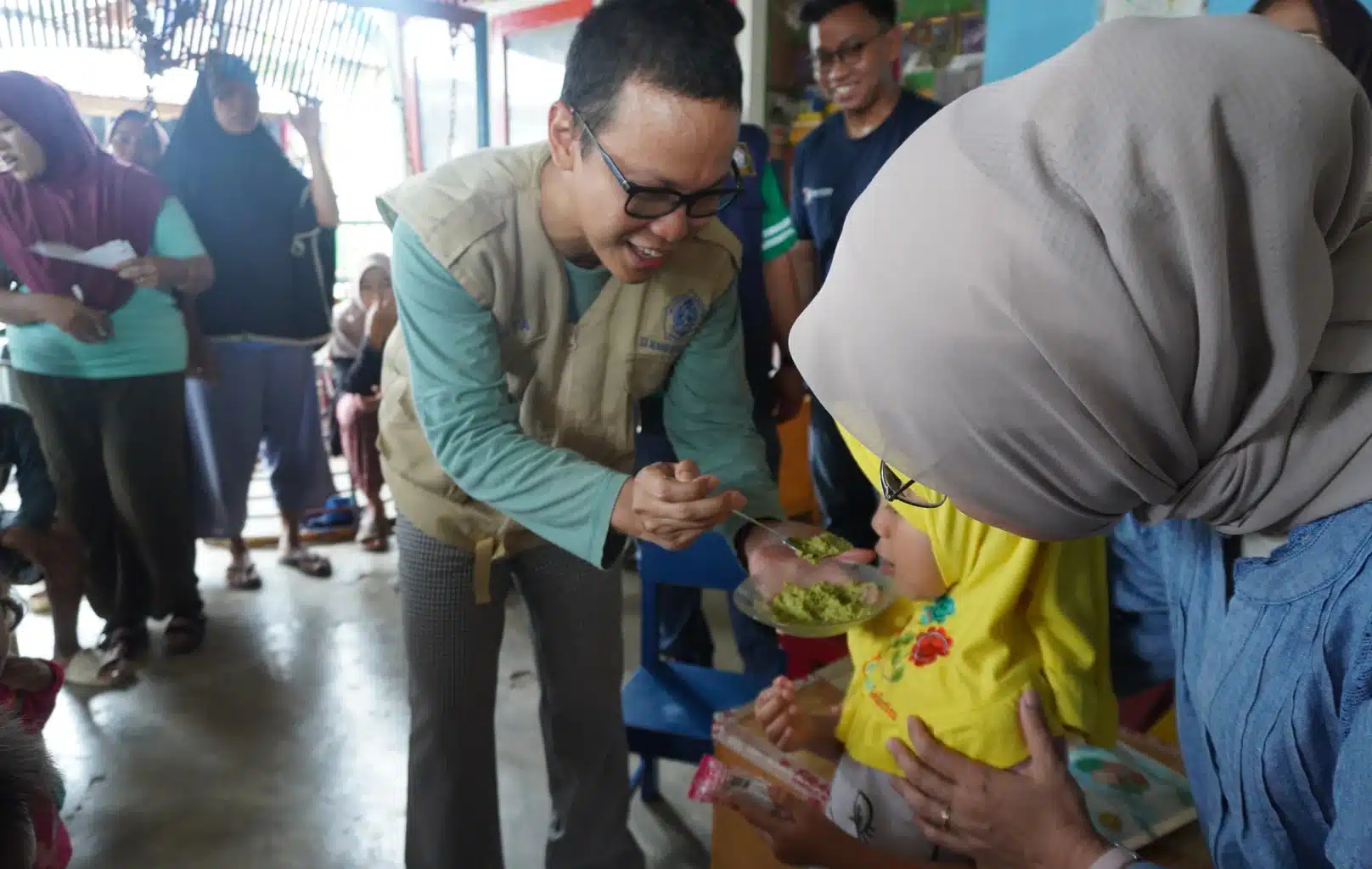
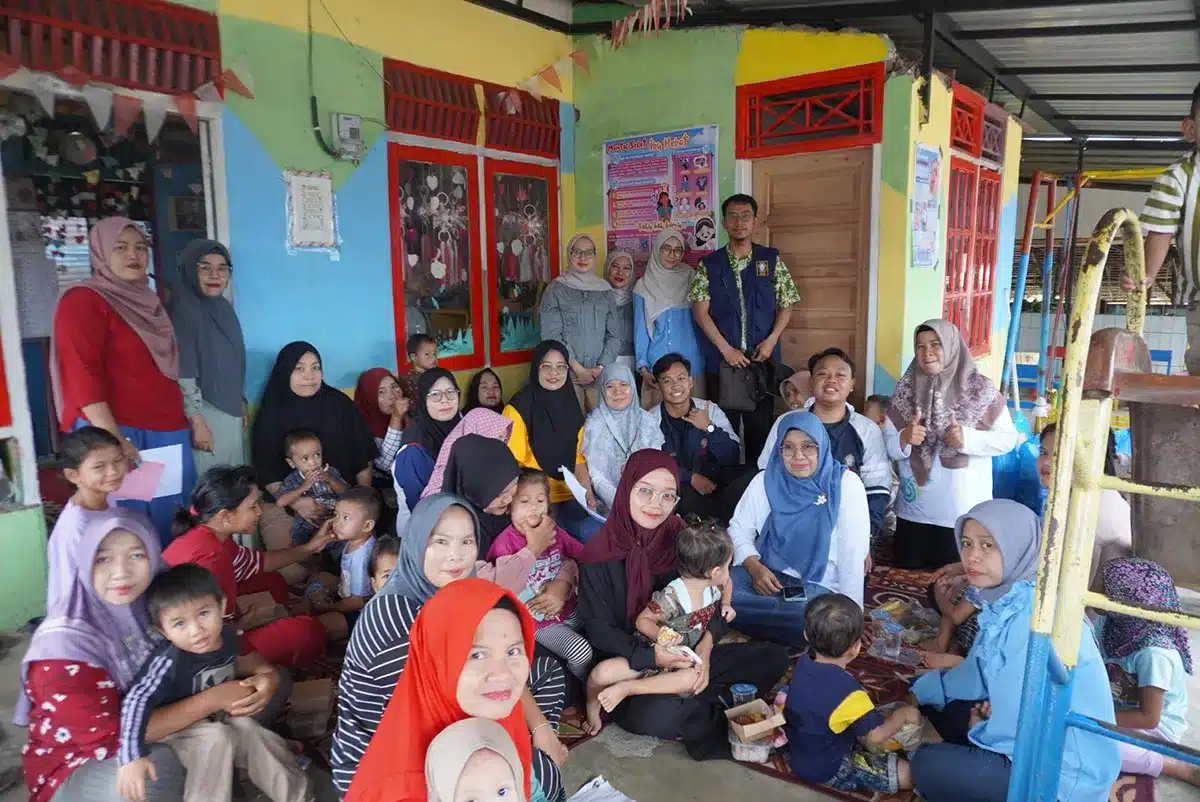
On the third day of PMBA implementation, activities focused on direct monitoring of toddlers’ food consumption. Through communal meals at evacuation posts, the team directly observed food acceptance, toddlers’ responses to the served menus, and ensured that the meals were consumed correctly.
This direct monitoring was carried out to ensure that the distributed food assistance not only reached the intended beneficiaries but also truly met the nutritional needs of toddlers as a vulnerable group, especially in post-disaster conditions. Adequate and appropriate dietary intake is one of the key factors in maintaining toddlers’ health and growth during emergencies.
The activities were carried out in a warm and supportive atmosphere. Parents accompanied their children during meals, helping toddlers feel more comfortable. In addition to supporting nutritional fulfillment, the activities also served as a space for interaction between the implementation team and affected residents, providing moral support amid disaster conditions.
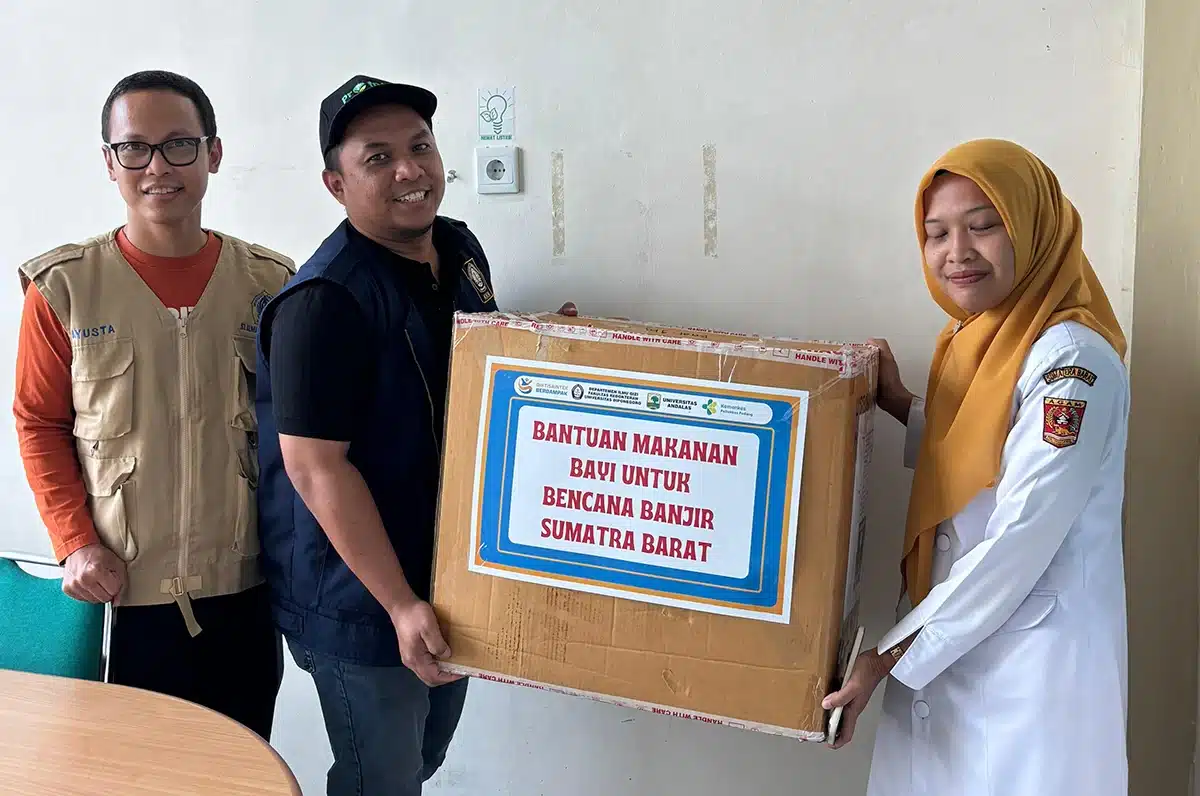
In other activities, the team implemented the PMBA program centered in two locations: Lambung Bukit Subdistrict, Pauh District, and Agam Regency. The program not only focused on food distribution but also included nutritional screening using Mid-Upper Arm Circumference (MUAC/LiLA) measurements to detect early dietary problems among disaster-affected toddlers.
In Lambung Bukit Subdistrict, Pauh District, the team conducted MUAC measurements and provided food to 75 disaster-affected toddlers. Each toddler received two main meals and one snack per day, distributed in two stages: at 08:00 a.m. (one main meal and one snack) and at 03:00 p.m. (one main meal).
Meanwhile, in Agam Regency, activities began with coordination and confirmation with food-providing kitchens regarding the suitability of the menus to be distributed. The UNDIP–UNAND nutrition team then assisted the food distribution process at two locations. The first location was Salareh Aia, where local health cadres distributed 50 food packages (35 for toddlers and 15 for pregnant women).
Distribution continued at the second location, Koto Alam Community Health Center (Puskesmas), through coordination with the health center’s nutritionist. At this site, 75 food packages were distributed (40 for toddlers and 35 for pregnant women). In addition to distribution, nutritional screening was conducted using MUAC measurements to detect early signs of undernutrition and severe malnutrition.
Activities in Agam Regency were closed with the submission of an evaluation report to the food providers regarding the effectiveness of the distribution flow, as well as confirmation that both locations would remain targets for subsequent distribution stages. As a follow-up, the UNDIP–UNAND Nutrition Team will conduct monitoring and evaluation (M&E) through MUAC measurements after 15 days of PMBA implementation to assess the impact of the feeding intervention on the nutritional status of beneficiary toddlers and to ensure the program’s effectiveness and sustainability at the target locations.
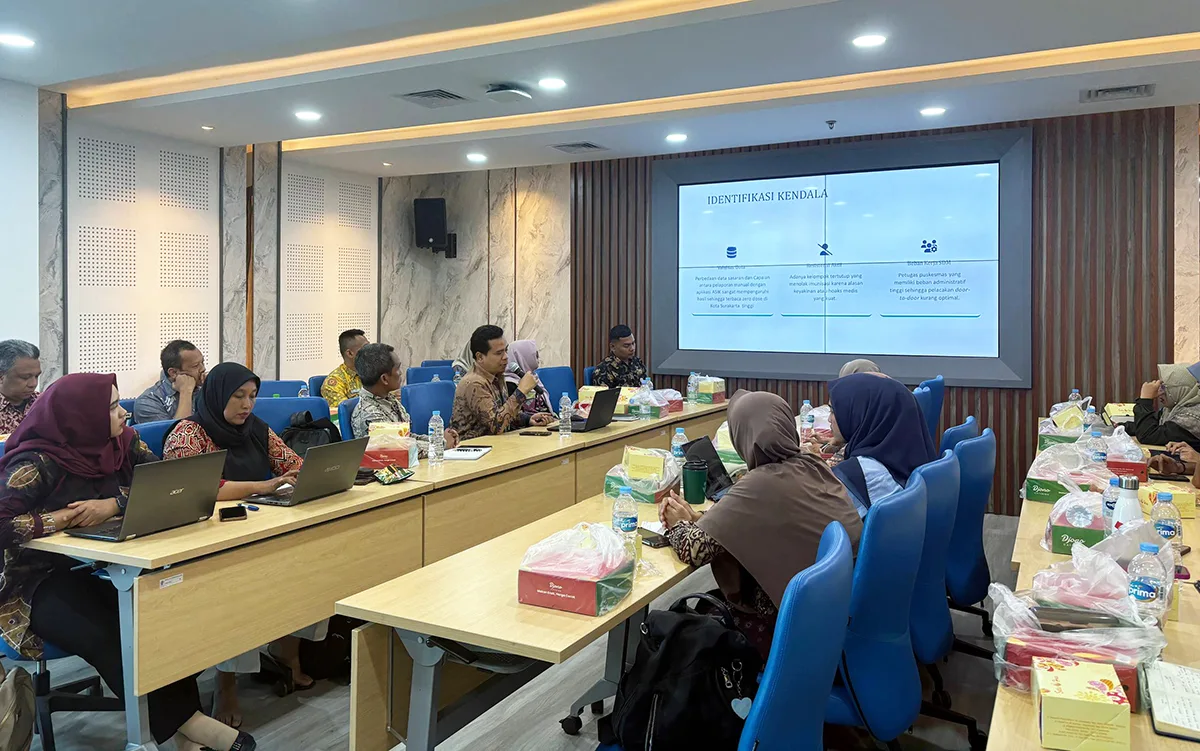
Another activity involved meetings and socialization sessions with local health cadres regarding Supplementary Feeding (PMT) products in the form of baby porridge. Through this activity, the UNDIP–UNAND Nutrition Team provided education to improve cadres’ understanding of safe, appropriate, and nutritionally adequate PMT for toddlers.
The educational materials included hygienic food processing techniques, recommended feeding frequency and portion sizes adjusted to toddlers’ ages, and optimal nutritional standards to support children’s growth and development. The sessions were delivered interactively so that cadres could easily understand and apply them in field-based nutrition assistance.
The PMT product introduced was instant baby porridge using freeze-dried technology, produced by PT Inasentra Unisatya for the Department of Nutrition, formulated with high-nutrient ingredients including white sweet potato, spinach, broccoli, oyster mushrooms, protein isolate, soybean oil, soybean lecithin, and vitamin D. This formulation was designed to meet toddlers’ macro- and micronutrient needs while supporting immune function and growth.
After 15 days of PMBA implementation, the team returned to the field to conduct monitoring and evaluation (M&E) as a program follow-up. M&E was carried out through MUAC (LiLA) and body weight measurements, which were also recorded at the start of the program. These measurements aimed to assess the impact of the feeding intervention on toddlers’ nutritional status.
The M&E results showed positive trends, with average MUAC and body weight remaining stable. Moreover, several toddlers showed significant weight gain, indicating that the PMBA intervention improved their nutritional status. Through this collaboration between the Department of Nutrition of UNDIP and UNAND, the PMBA program has successfully contributed to safeguarding toddlers’ nutritional status in flood-affected areas and preventing dietary problems during the disaster recovery period. (Public Communication/UNDIP/Faculty of Medicine Team)