

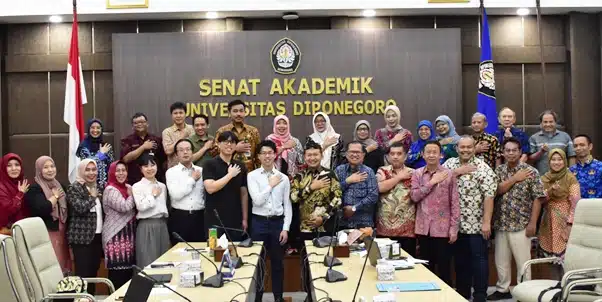
Universitas Diponegoro (UNDIP) hosted a strategic discussion with a delegation from Shiga Prefecture, Japan, led by Mr. Takeshi Tominaga, and representatives of the Central Java Provincial Government to explore collaboration in water resource management, environmental sustainability, and renewable energy development centered on Rawa Pening.
Held at the Academic Senate Hall of UNDIP, the meeting addressed the ecological challenges and development potential of Rawa Pening, one of the most vital lake ecosystems in Central Java. The agenda included expert dialogue and coordination for field observations in the Rawa Pening area.
Turning Ecological Pressure into Productive Potential
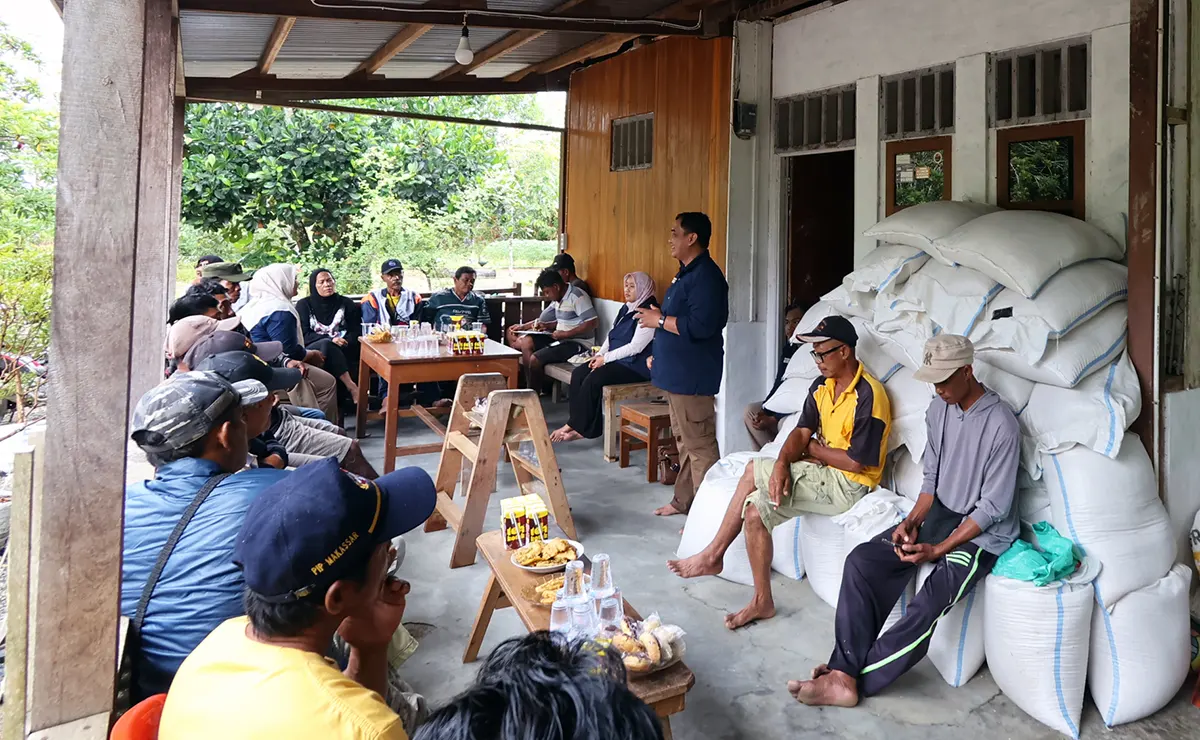
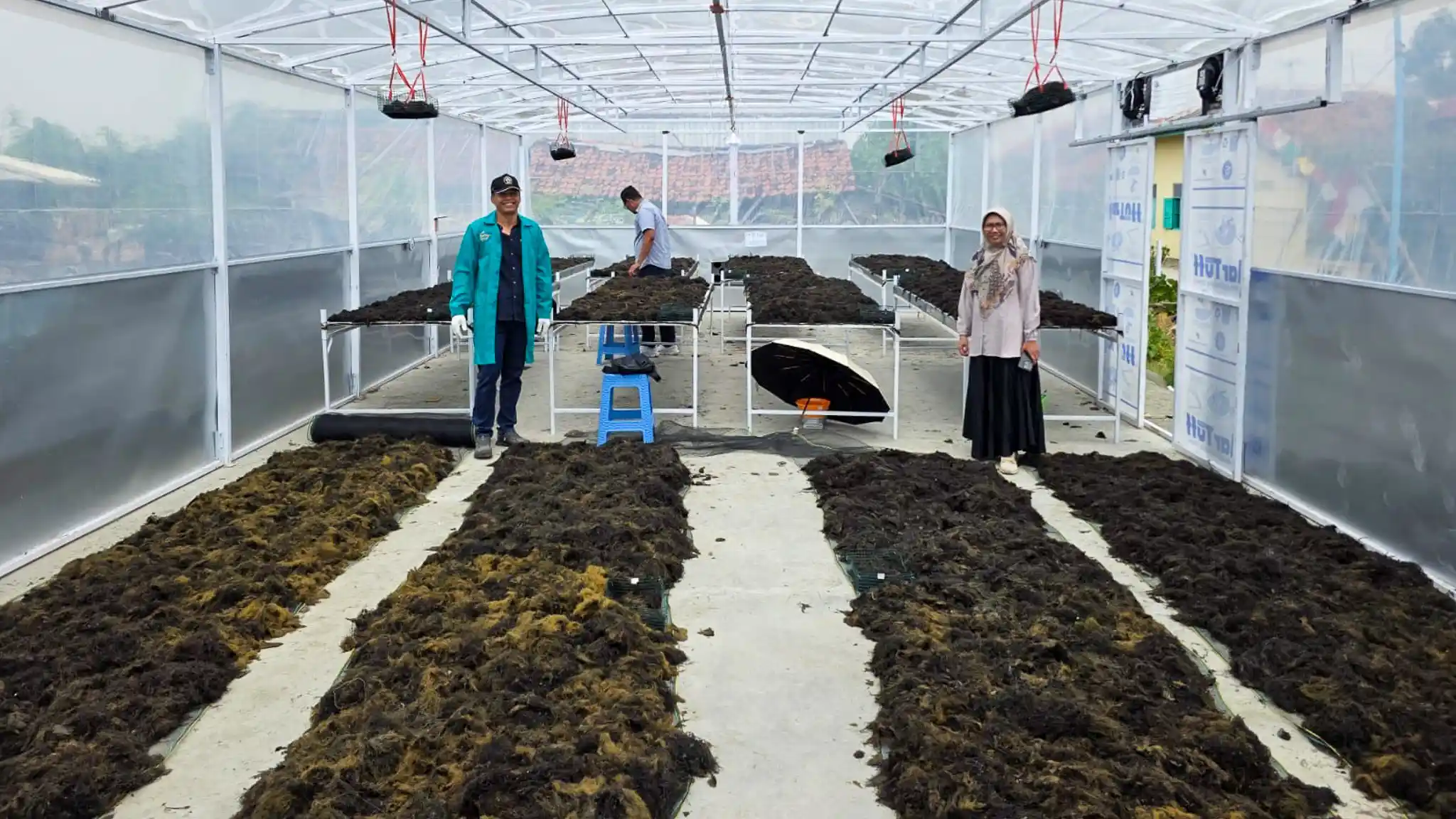
Rawa Pening has long faced serious environmental challenges, particularly the rapid growth of water hyacinth, which reduces water quality, disrupts fisheries, hampers local transportation, and accelerates sedimentation. These conditions directly affect the livelihoods of communities living around the lake. However, the discussion emphasized that water hyacinth should not only be viewed as an environmental burden, but also as a valuable resource.
Prof. Setia Budi Sasongko, a researcher from UNDIP, highlighted the material potential of water hyacinth. “Water hyacinth fibers can be processed into ropes and other functional products for various uses. With proper training and design innovation, this can become a sustainable community-based enterprise,” he explained.
This perspective reframes the plant not merely as waste biomass, but as an economic raw material with practical applications.
Renewable Energy Opportunities
Meanwhile, Prof. Syafrudiun, another UNDIP researcher, emphasized the plant’s energy potential. “Water hyacinth has strong potential to be converted into biogas and biomass briquettes. With the right technology and community-scale systems, it can become a renewable energy source that supports local energy resilience,” he noted.
Such conversion technologies could simultaneously reduce ecological pressure and provide alternative energy solutions for surrounding communities.
Strengthening Trilateral Collaboration
Vice Rector IV of UNDIP, Dr. Wijayanto, reaffirmed the university’s commitment to expanding collaboration with the Central Java Provincial Government and Japanese partners. In line with UNDIP’s commitment to being “Dignified and Beneficial,” he stressed the importance of partnerships that generate tangible societal impact.
Representing the Central Java Provincial Government, Sarwo Rini, Head of the Bureau of Economic Affairs, stated that the cooperation agenda includes strengthening local economic resilience, enhancing community capacity in lake-area management, and developing renewable energy models based on local resources such as biomass from water hyacinth.
The delegation from Shiga Prefecture expressed openness to collaboration in integrated water resource management, environmental technology, water quality monitoring systems, and biomass-based renewable energy solutions. Japan’s experience in sustainable lake governance is considered highly relevant for the long-term revitalization of Rawa Pening.
A Living Laboratory for Inclusive Innovation
The Dean of the Vocational School of UNDIP emphasized the importance of integrating technology, vocational education, and community empowerment. “This initiative should not stop at environmental mitigation. It must evolve into a model of community-based renewable energy that creates jobs, strengthens local energy resilience, and improves welfare for families living around Rawa Pening,” he stated.
Director of Innovation and Cooperation of UNDIP, Dr. Dian, described Rawa Pening as a “living laboratory” for inclusive innovation. “Through collaboration between local government, international partners, and universities, we can design science-based solutions that directly empower communities. UNDIP is ready to bridge research, policy, and on-the-ground implementation,” she said.
Through this trilateral synergy between UNDIP, the Central Java Provincial Government, and Japanese partners, Rawa Pening is expected to become a model for sustainable lake management and community-based renewable energy development in Indonesia.
Beyond ecological restoration, the initiative envisions long-term socio-economic resilience, transforming environmental challenges into opportunities for innovation, entrepreneurship, and inclusive growth.