
UNDIP, Semarang (9/4) – The City and Regency of Pekalongan are racing against time to mitigate the impacts of climate change. The combination of land subsidence and rising sea levels has turned tidal flooding (rob) from a seasonal phenomenon into an increasingly frequent daily threat. In this situation, pump stations serve as the main defense against flooding. However, despite their critical role, they still rely heavily on fossil energy, which contributes to rising carbon emissions.
In response to this challenge, the Department of Electrical Engineering, Faculty of Engineering, Universitas Diponegoro (UNDIP), has taken a strategic step through an international collaboration with Blue Deal (BD) Netherlands and the Nederlandse Waterschapsbank Fund (NWB). This partnership focuses on transforming the electricity systems of pump stations along the Bremi Meduri River from fossil-based energy to more sustainable solar energy solutions.
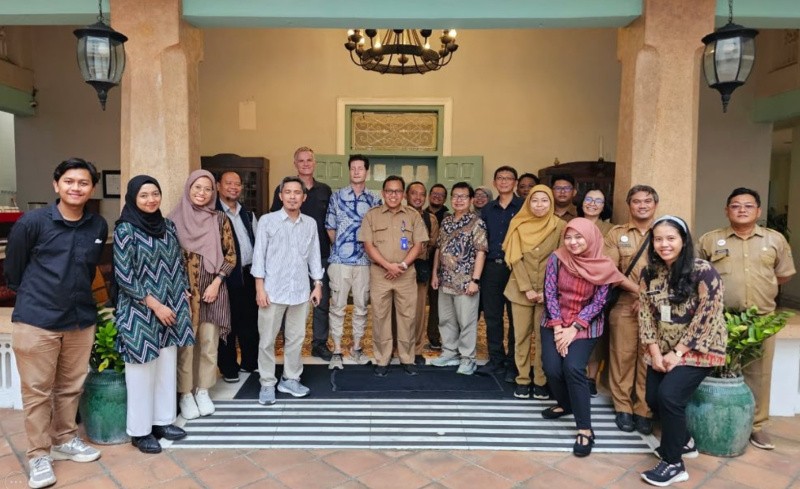
Assoc. Prof. Mochammad Facta, Head of the Master’s Program in Electrical Engineering at UNDIP, emphasized that the increasing frequency of pump station operations directly impacts operational costs and carbon emissions.
“The higher the frequency of pump station operations, the greater the operational costs and CO₂ emissions. Therefore, the use of solar energy is a strategic solution that is not only economically efficient but also contributes to mitigating the impacts of climate change,” he stated.
He also noted that this initiative aligns with four Sustainable Development Goals (SDGs): quality education, affordable and clean energy, sustainable communities, and climate action. Through this study, the expert team led by Assoc. Prof. Dr. Ir. Mochammad Facta developed several technically and economically feasible solar panel system designs for implementation by local governments. These solutions are expected to support more efficient pump operations while reducing dependence on conventional energy sources.
A Living Laboratory for Students
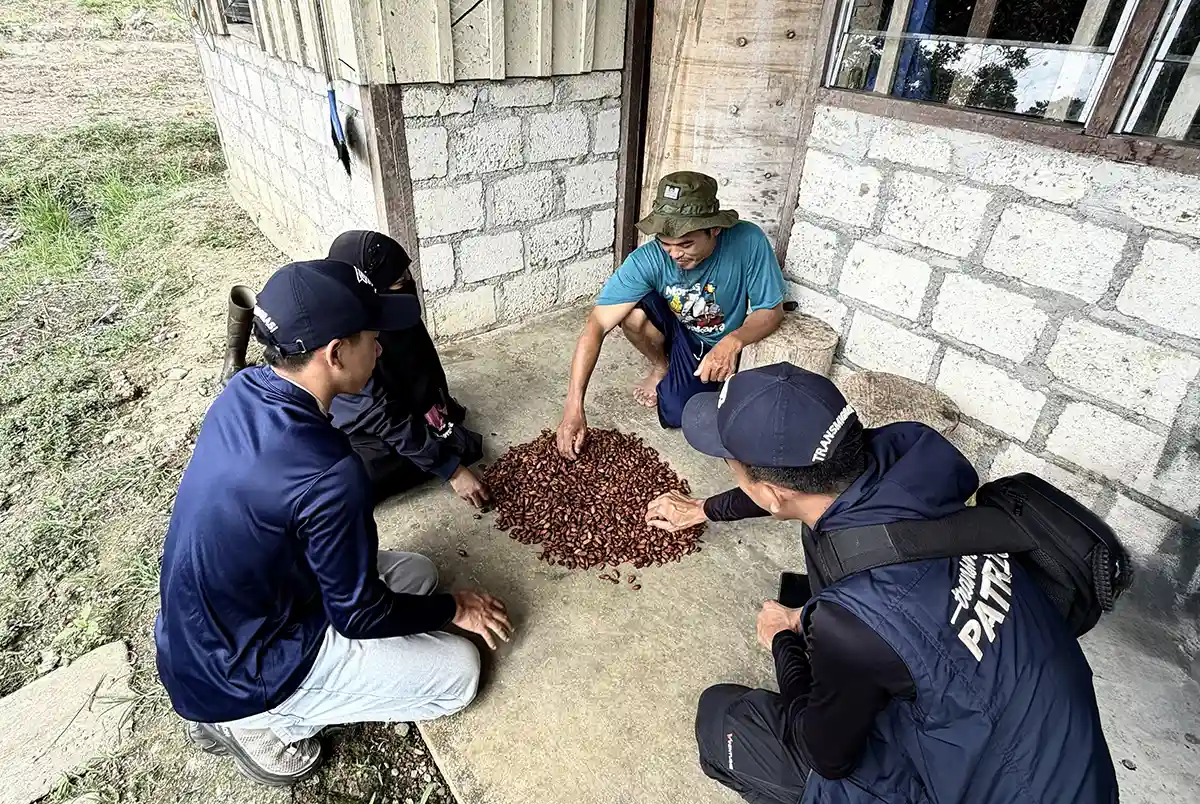
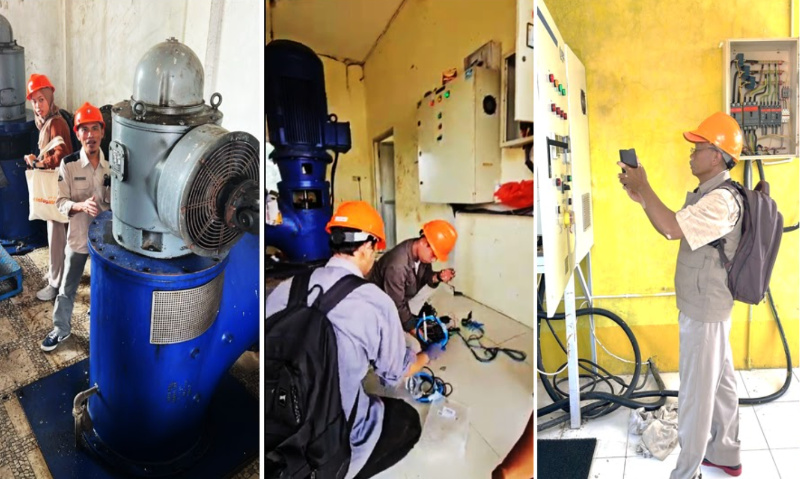
One of the project’s key strengths lies in students’ active involvement in a practice-based learning process. The project serves as a living laboratory where undergraduate (S1) and master’s (S2) students in Electrical Engineering at UNDIP participate directly in field measurements, data collection, and analysis across six pump stations in the City and Regency of Pekalongan.
Several master’s students have even incorporated this project into their thesis research, ensuring that the outcomes are not only academic but also provide practical solutions for the community and local government.
This international collaboration also offers students the opportunity to engage directly with Dutch experts such as Ing. Marcel Roet and Luuk van Elk, who contribute global perspectives and standards in water resource management and pump technology.
This involvement reflects UNDIP’s commitment to building an adaptive educational ecosystem that prepares students to become professionals capable of addressing real-world environmental challenges.
Recommendations for Pekalongan
The collaborative study has produced several recommendations for solar-based electrical system designs that are both technically viable and economically feasible. These recommendations will serve as references for the Regional Development Planning, Research, and Innovation Agency (Bapperida) of Pekalongan City and Regency in formulating future energy policies.
With the adoption of solar energy, pump stations in Pekalongan are expected to operate more efficiently, be environmentally friendly, and operate independently amid the challenges posed by the global climate crisis.
Through this collaboration, Universitas Diponegoro once again reinforces its role as a higher education institution that excels in scientific research and actively contributes real solutions to environmental issues and sustainable development. (Public Communication/FT/ed. Nurul)