
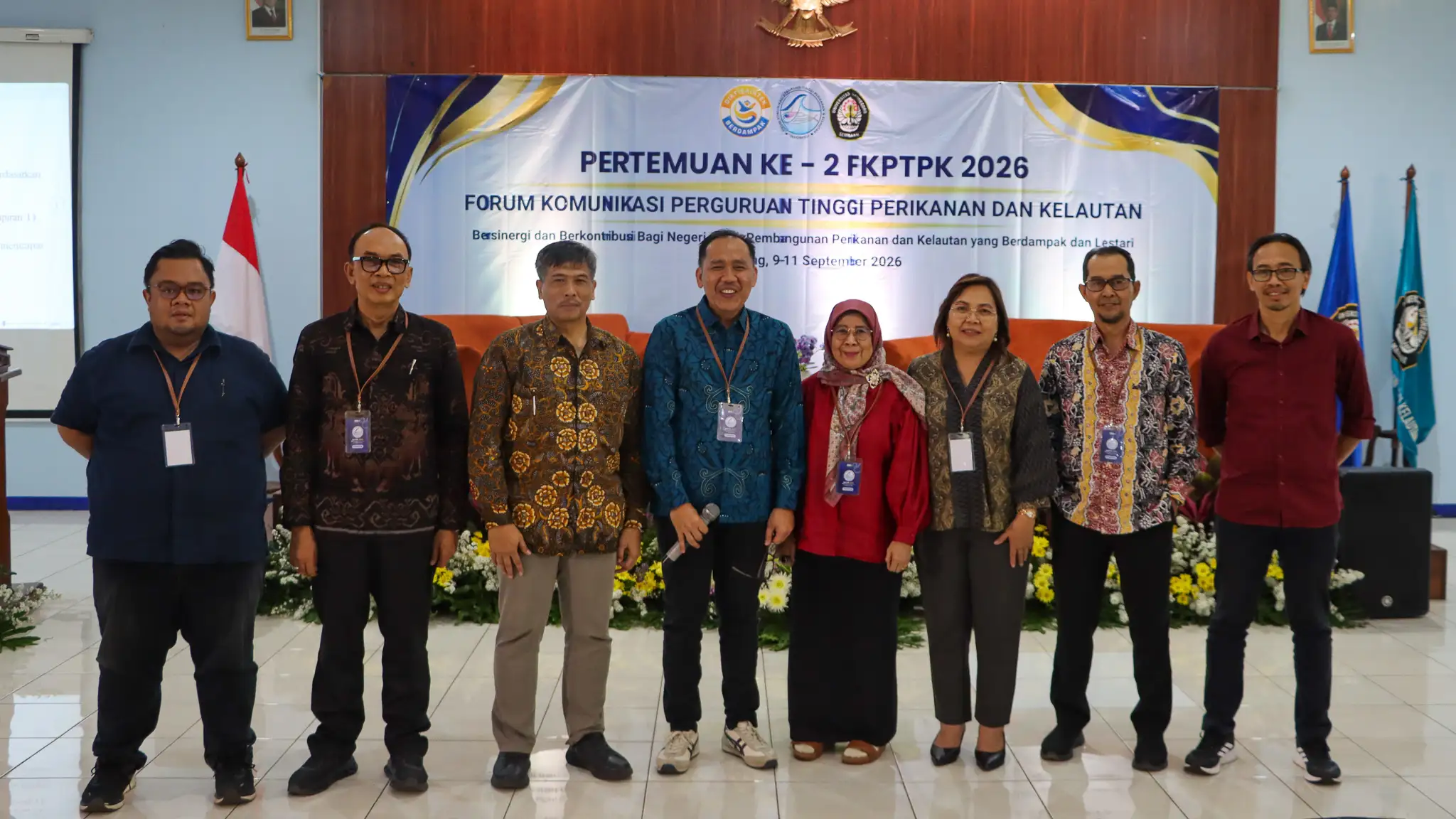
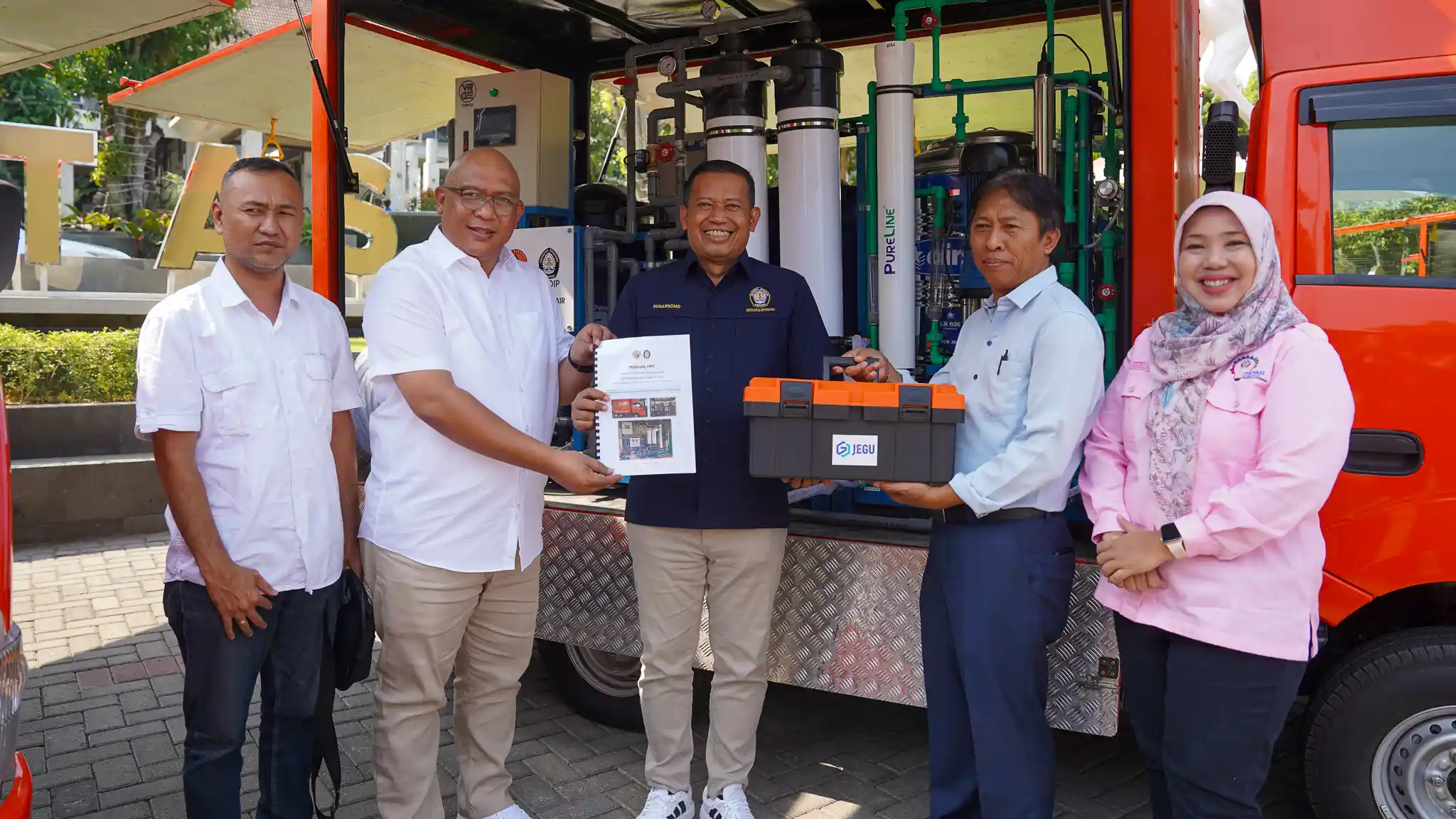
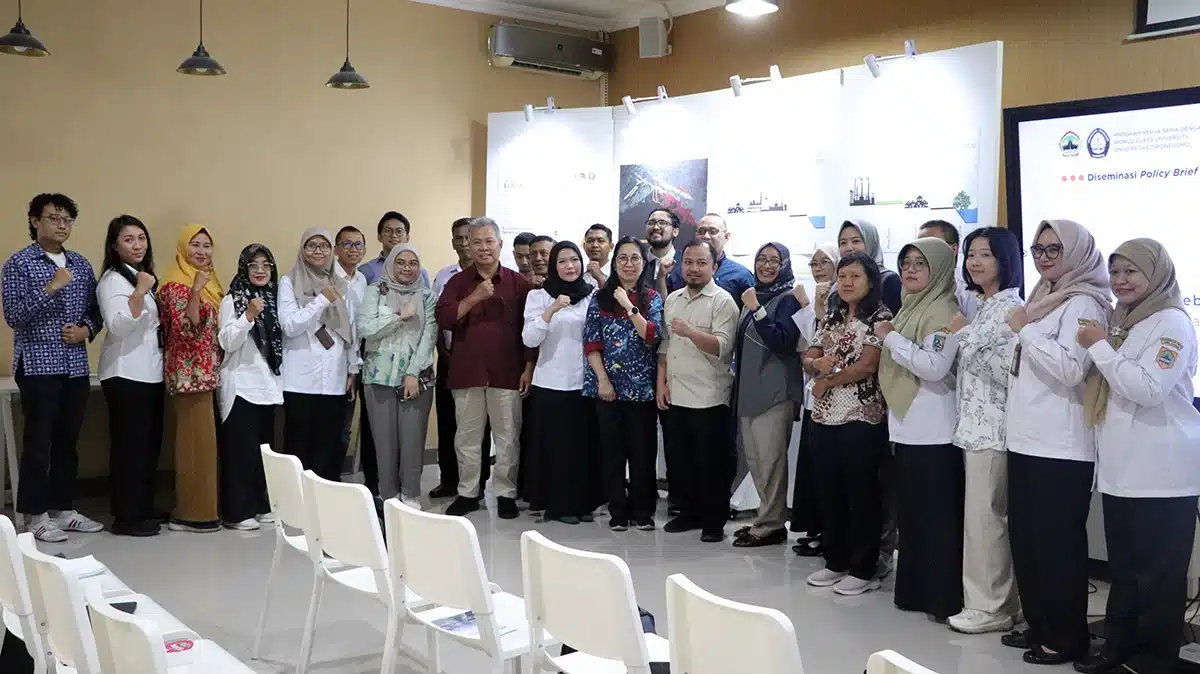
UNDIP, Semarang (December 13, 2025) – The Department of Urban and Regional Planning, Faculty of Engineering UNDIP, in collaboration with Technische Universität Berlin through the Global Center of Spatial Methods for Urban Sustainability (SMUS), recently launched the SMUS Science Communication Project (SCP) products and disseminated a Policy Brief on Wednesday, December 10, 2025, at Building B, UNDIP’s Faculty of Engineering, Tembalang Campus, Semarang.
This activity aimed to enhance public understanding and awareness of the ec(h)otone concept, the socio-ecological changes occurring along the Semarang–Demak coast, and the importance of nature-based and collaborative solutions.
The event featured two main agendas:
a. Dissemination of the Policy Brief titled “Ec(h)otone as a Transition Space: Challenges and Directions for Managing the Coastal Areas of Semarang City and Demak Regency.”
b. Exhibition of SCP products under “Ec(h)otones Co-creation: Bridging Natural and Built Environments in the North Coast of Java, Indonesia (ECoast) – Production of an Ecotone Time Map.”
The exhibited products included:
– A feature video explaining the ec(h)otone concept and its impacts
– Ecotone Time Map showcasing shoreline and land-use changes
– Interactive Map allowing visitors to explore six focal points in Semarang and Demak
– Virtual Reality (VR) Experience offering an immersive view of the study locations
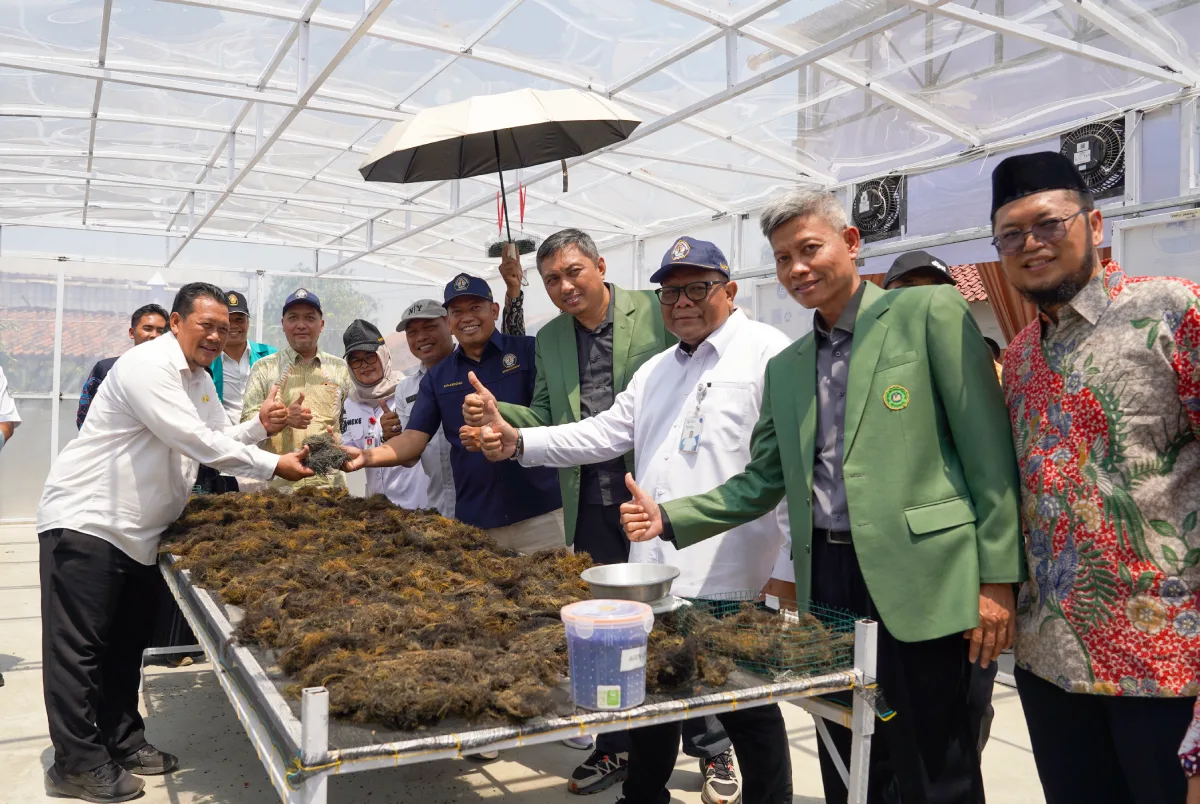
The event was attended by relevant policymakers at both national and regional levels, including representatives from the Ministry of Public Works of Indonesia, the Central Java Regional Research and Innovation Agency (BRIDA), and the Semarang City Government.
Prof. Dr.Ing. Wiwandari Handayani, S.T., M.T., MPS, Head of the Department of Urban and Regional Planning, UNDIP’s Faculty of Engineering, stated that UNDIP, as part of the Global Center of SMUS network, had conducted research on the characteristics, dynamics, and problems of the ec(h)otone coastal zones in Semarang and Demak.
“We all know that coastal areas remain a major issue in Central Java, especially Semarang–Demak. This issue became our case study with SMUS and Technische Universität Berlin. Through this international collaboration, we aim to highlight the ec(h)otone issues in Semarang City and Demak Regency—transition zones facing complex challenges, including flooding, tidal inundation, and other environmental concerns that require collective solutions. We also collaborate with BRIDA to formulate policy recommendations,” said Prof. Wiwandari.
“We hope that the results of this research can serve as policy recommendations to support sustainable development, especially in the Semarang–Demak coastal region, helping environmental preservation and strengthening interconnection between districts and cities along the North Coast of Java,” she added.
Similarly, UNDIP Urban and Regional Planning expert Prof. Dr. sc. agr. Iwan Rudiarto, S.T., M.Sc., explained that the northern coast of Central Java is currently facing multiple disasters, including flooding, tidal inundation, land subsidence, and increasingly complex environmental and socio-economic issues. “Many land areas in Demak and Semarang have degraded to the point that they have turned into water bodies,” he noted.
Through this study, UNDIP formulated several strategic policy recommendations to enhance community adaptation capacity and strengthen coastal infrastructure in northern Central Java.
Meanwhile, Astrini Ayu Puspita, S.T., M.T., from the UNDIP SMUS Team, presented that the Semarang–Demak coastal region is currently facing various wicked urban problems, including tidal floods, coastal abrasion, land subsidence, infrastructure damage, and declining housing quality. Data show that abrasion is occurring at up to 15 meters per year in urban coastal areas. Additionally, several coastal villages in Demak—such as Timbulsloko and Bedono—have experienced gradual submersion due to prolonged tidal flooding.
The study produced strategic recommendations, including the development of hybrid sea walls, the provision of clean water and sanitation systems, and improved inter-area connectivity. From a spatial planning perspective, UNDIP highlighted the importance of coastal zoning, mangrove green belts, and stricter controls on land conversion.
This initiative embodies the spirit of ‘Noble and Valuable UNDIP’, demonstrating how higher education institutions play an active role in providing solutions for society and assisting policymakers in planning sustainable coastal development. This action aligns with Sustainable Development Goal (SDG) 11: Sustainable Cities and Communities. (Public Communication/UNDIP/As3)