
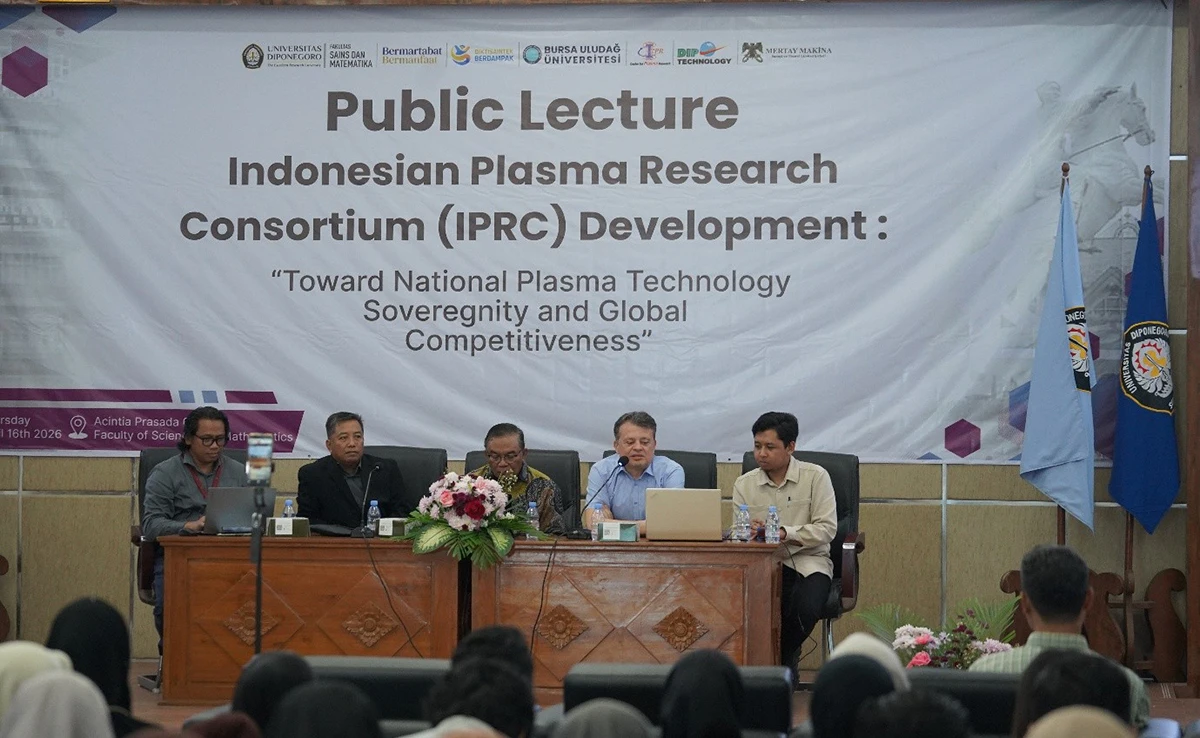
UNDIP, Semarang (16/4) – The Faculty of Science and Mathematics (FSM) at Universitas Diponegoro (UNDIP), in collaboration with the Center for Plasma Research, organized a public lecture titled “Indonesian Plasma Research Consortium (IPRC) Development: Toward National Plasma Technology Sovereignty and Global Competitiveness” on Thursday, April 16, 2026, at the 6th Floor Hall of Acintya Prasada Building, FSM UNDIP.
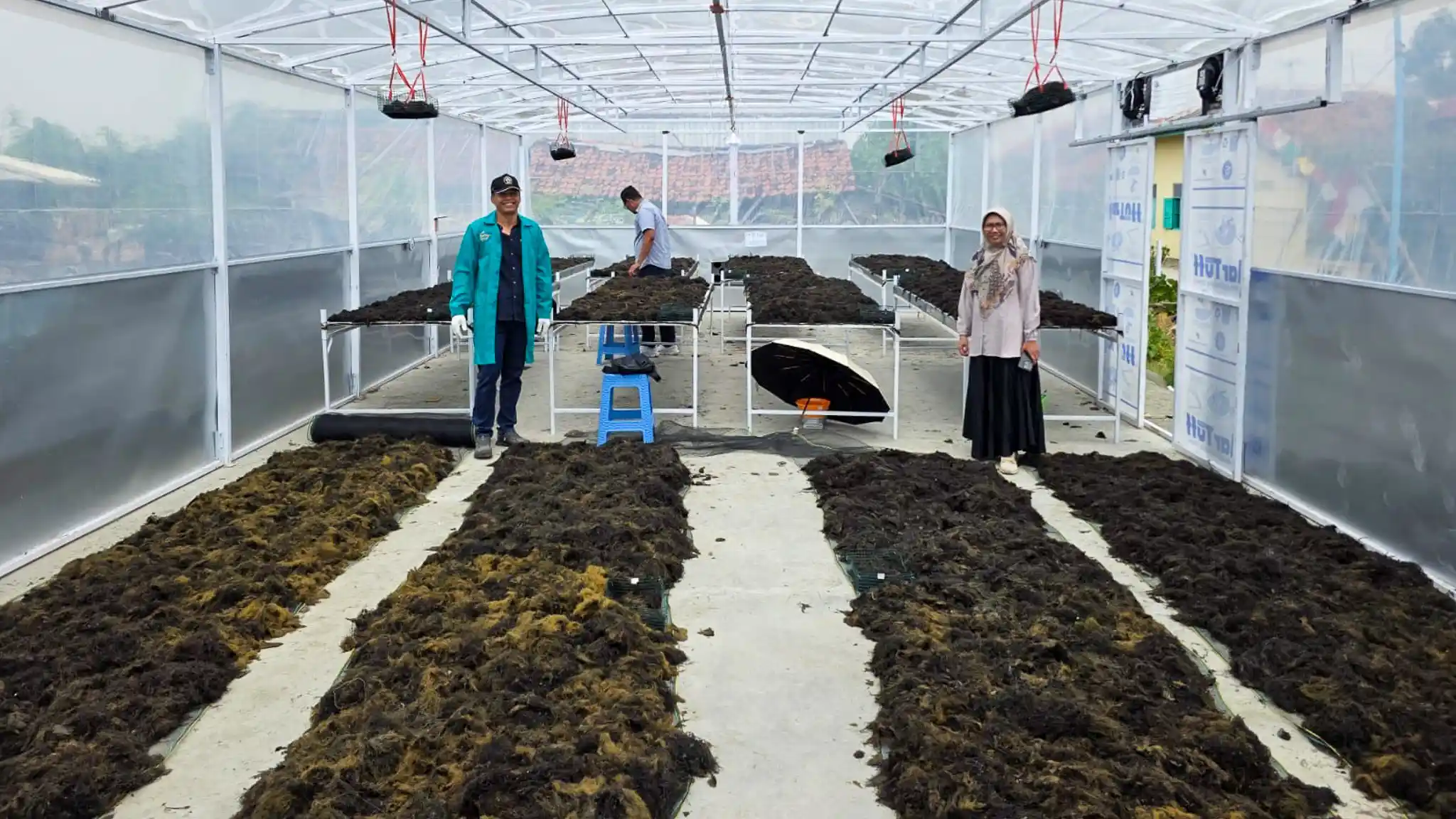
This event was part of a series of Indonesian Plasma Research Consortium (IPRC) activities held from April 14–17, 2026. The agenda included collaboration discussions between UNDIP and Bursa Uludağ Üniversitesi, the signing of cooperation agreements, sharing sessions with the Center for Plasma Research team, corona-plasma experiments for agriculture, public lectures, industry profile presentations, and a visit to PT Dipo Technology.
In his remarks, Dr. Eng. Adi Wibowo, S.Si., M.Kom., Vice Dean for Resources at FSM UNDIP, emphasized that the activity provided an important opportunity for students and the academic community to broaden their understanding of plasma technology. He highlighted the importance of strong scientific foundations to enable students to develop academically and professionally, and to contribute to future research and technological advancements.
The first session featured Prof. Dr. Kadir Çavdar from the Department of Mechanical Engineering, Bursa Uludağ Üniversitesi, Türkiye, who presented on “Applications of Atmospheric Plasma in Polymer Adhesion and Ozone Sterilization.” He explained the use of atmospheric plasma in material surface engineering, particularly to improve adhesion in polymers such as polypropylene (PP), widely used in the automotive industry, including bumpers, interior components, body panels, fuel systems, and vehicle upholstery. Despite its advantages in strength, heat and chemical resistance, and low production costs, polypropylene has a low surface energy, which often limits its use in painting, coating, and adhesive applications.
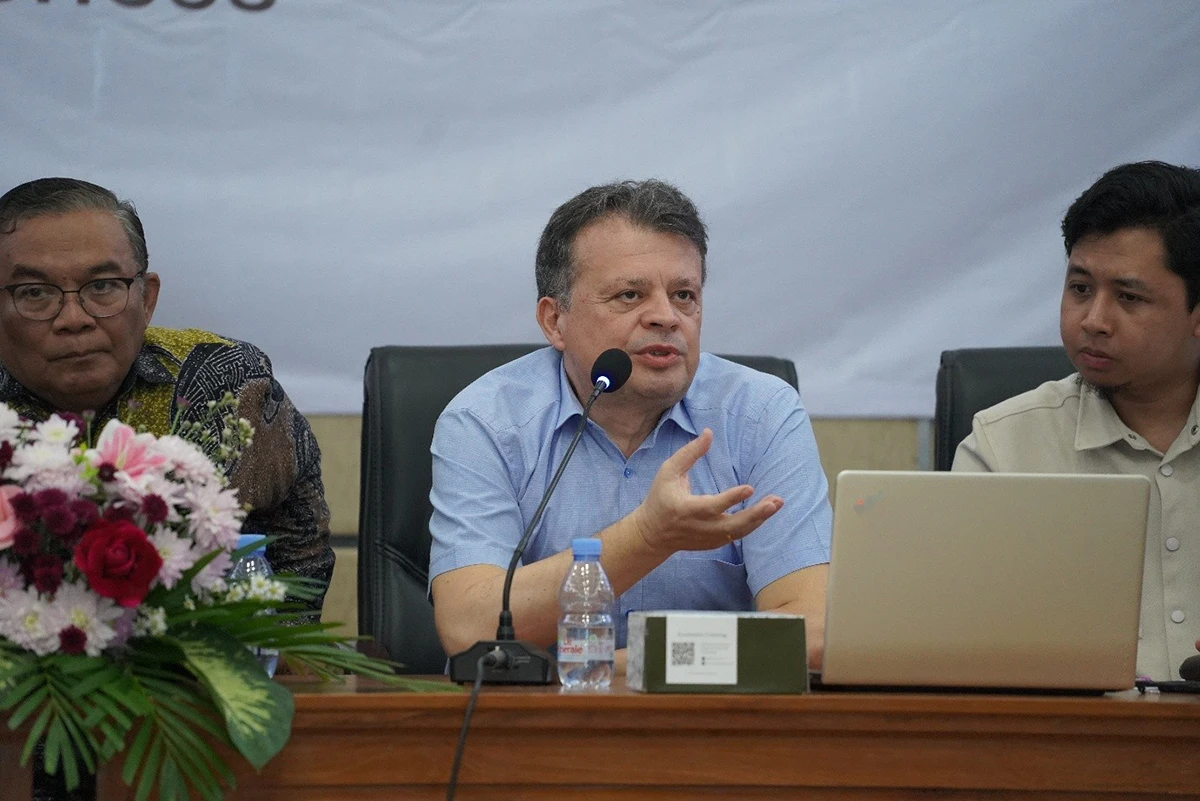
Through this presentation, participants gained insight into the development of the primerless painting method for polypropylene components, namely a painting process that avoids a primer layer by using surface activation. Prof. Kadir explained that surface modification can be achieved through several methods, including plasma activation, flame activation, corona discharge, and others. Plasma treatment of the polymer surface can alter its chemical composition and morphology, introduce polar functional groups, and increase surface energy, thereby improving paint adhesion. The development of this method is considered important because it can simplify the production process, reduce time and material consumption, reduce solvent use, and support efficiency and sustainability in the automotive industry.
The next session was delivered by Prof. Dr. Muhammad Nur, DEA, Professor of Physics at UNDIP and Head of the Center for Plasma Research, who discussed “IPRC Development: Toward National Plasma Technology Sovereignty and Global Competitiveness.” He outlined the strategic role of cold plasma technology across sectors such as healthcare, food, environment, agriculture, and fisheries. Plasma, described as the fourth state of matter, consists of ions, electrons, excited molecules, atoms, and radicals. At UNDIP’s Center for Plasma Research, the development of cold plasma technology includes corona plasma, dielectric barrier discharge plasma, double dielectric barrier discharge plasma, plasma jet, and radio frequency plasma.
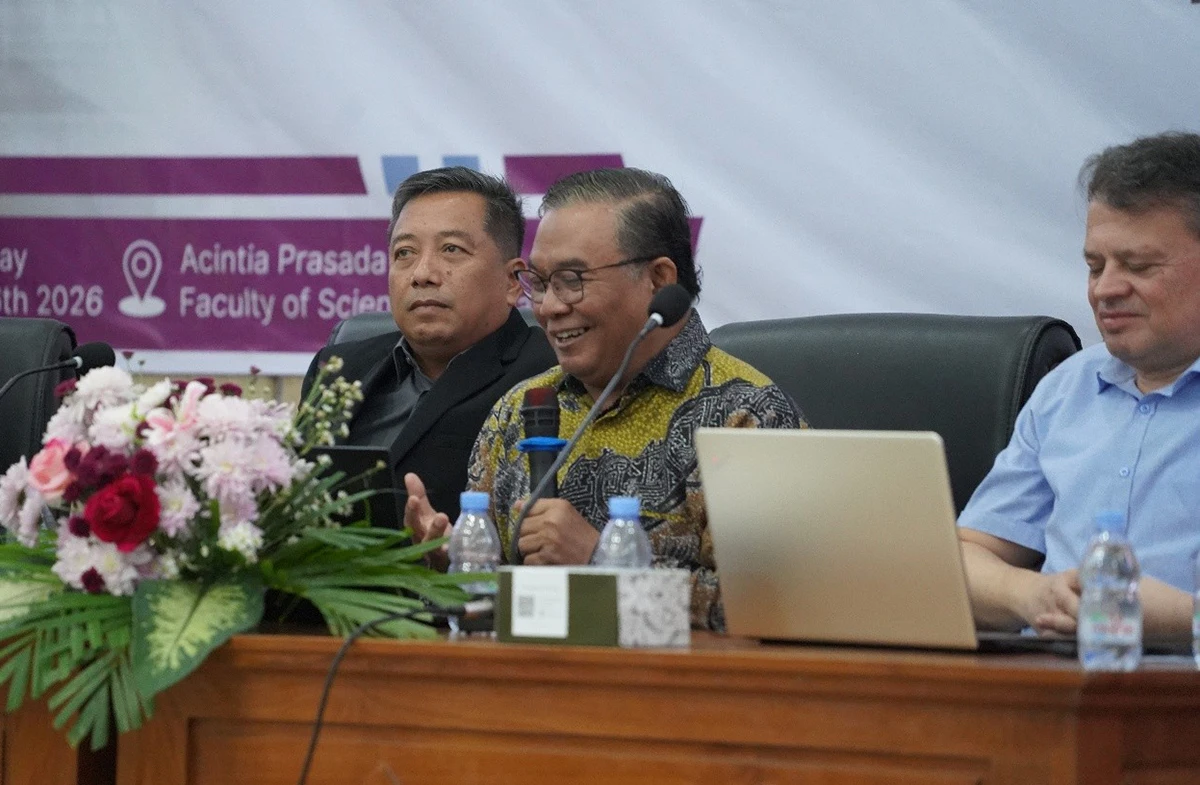
He also highlighted UNDIP’s long-standing development of cold plasma technology since 1998, which has led to innovations such as medical ozone generators, plasma-based air purification systems, ozone technology for post-harvest horticulture, wastewater treatment using nanomicrobubble ozone, and applications in fisheries. He also explained that ozone plasma technology has the potential to help extend the shelf life of horticultural products, reduce microbial contamination, and reduce pesticide residues in certain products. This development also aligns with SNI 8759:2019 concerning post-harvest storage of horticultural products using ozone technology, as one of UNDIP’s contributions to national technology standardization.
Following this, David Setiadhi, a Ph.D. candidate in Mechanical Engineering at Bursa Uludağ Üniversitesi, presented on “Bursa’s Industrial Heritage and Mertay Makina’s Engineering Journey,” offering insights into Bursa as a center of culture, industry, and innovation, as well as the role of universities in supporting research and industry collaboration. Through this presentation, participants gained insight into how academic and industrial ecosystems can be interconnected to strengthen technology development and international collaboration.
The final session featured Azwar Awanta, S.E., M.M., President Director of PT Dipo Technology, who introduced the company’s role as an industrial partner in the development and downstreaming of plasma technology. His presentation emphasized the importance of collaboration between academia and industry to transform research outcomes into practical, competitive innovations.
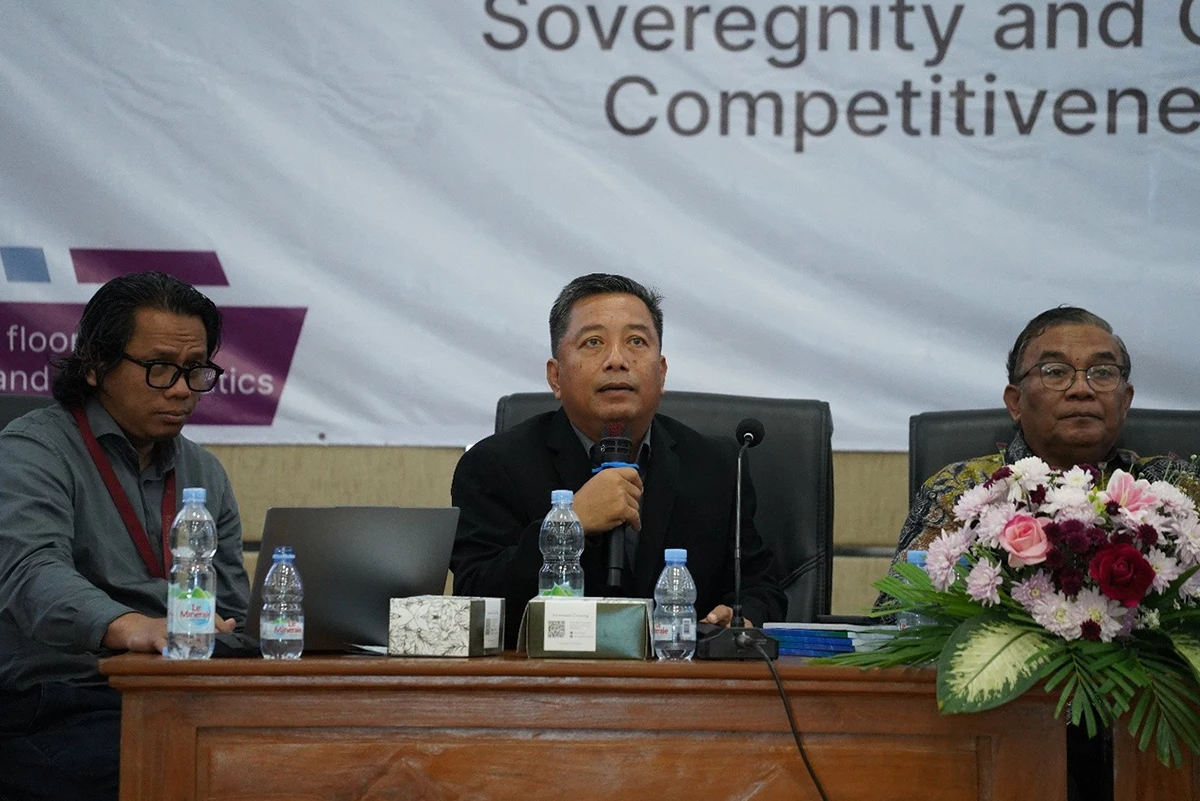
Through the Indonesian Plasma Research Consortium, Universitas Diponegoro reaffirmed its commitment to strengthening a leading research ecosystem, particularly in plasma technology. The initiative serves not only as an academic forum but also as a collaborative platform connecting researchers, students, international partners, and industry to advance national technological sovereignty.
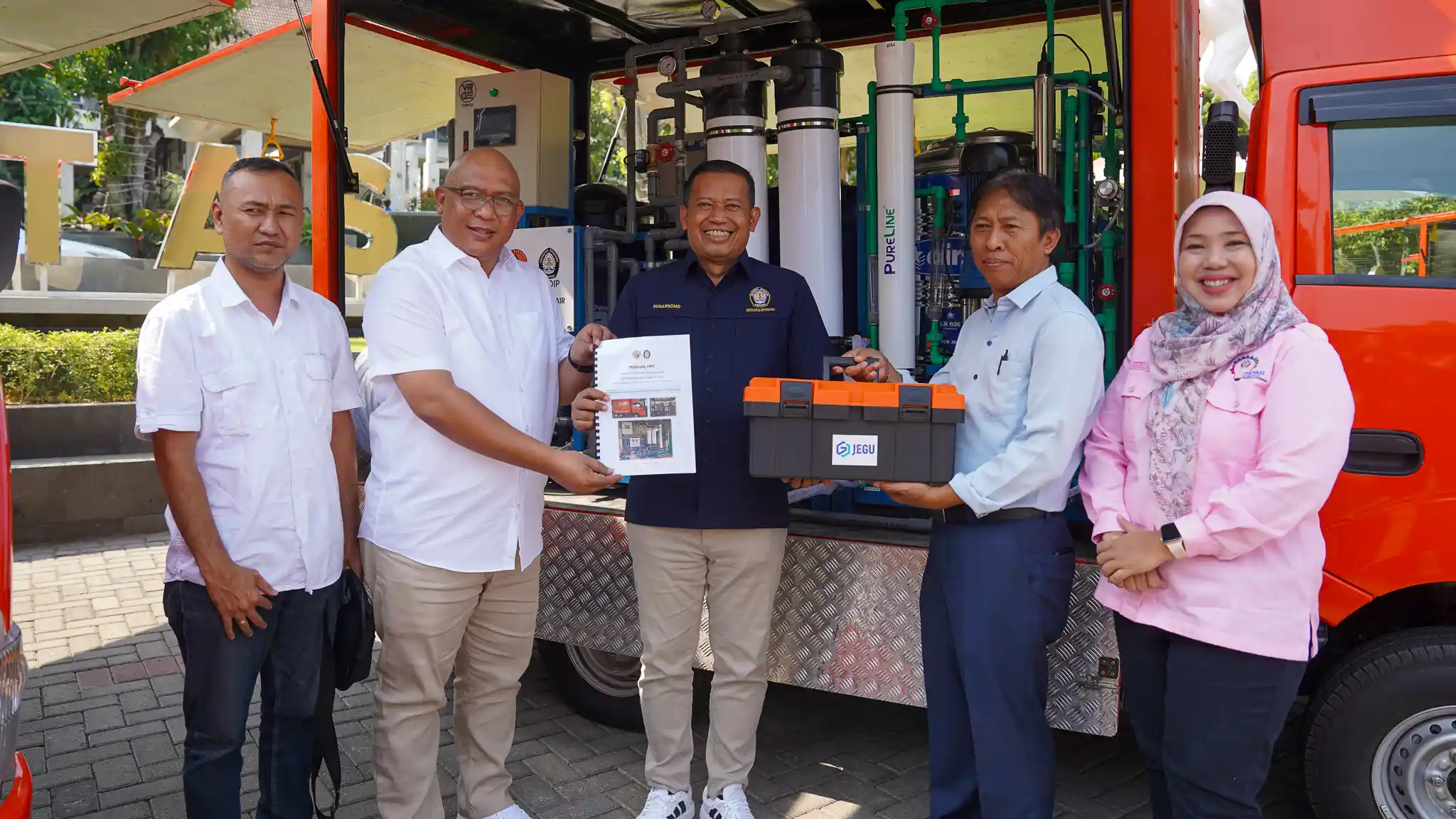
As part of the program, participants are scheduled to visit PT Dipo Technology on April 17, 2026, to observe industrial-scale applications, including wastewater treatment systems, pilot-scale OKA rooms, and medical ozone development. This visit is expected to provide practical insights into the implementation of plasma technology and further strengthen the synergy between academic research and applied technological needs. (Public Communication/UNDIP/FSM)