
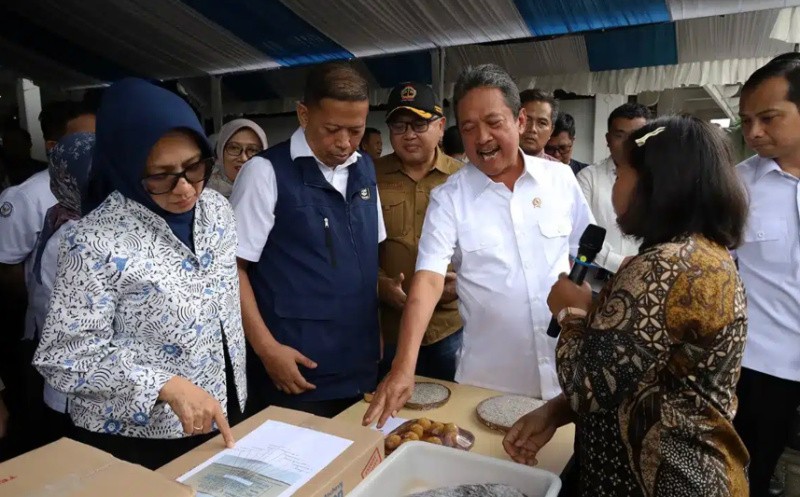
UNDIP, Jepara (15/6) – A collaboration among Universitas Diponegoro (UNDIP), Marutetsu Co., Ltd., and Nichiyo Trading Co., Ltd., two Japanese companies operating in the fisheries industry, has successfully helped a local enterprise reach international markets. Through a mentoring program developed at the Marine Science Techno Park (MSTP) UNDIP Jepara, an UNDIP-supported business partner now regularly exports whitebait anchovies (teri nasi) to Japan and Singapore, while also improving the welfare of coastal communities involved in the production chain.
As of June 2026, the UNDIP-supported partner has completed nine export shipments to Japan and Singapore. This achievement marks a significant milestone in strengthening the capacity of the local fisheries industry, which previously focused primarily on domestic markets. Although the current export product is whitebait anchovies, UNDIP continues to encourage product diversification to expand access to international markets.
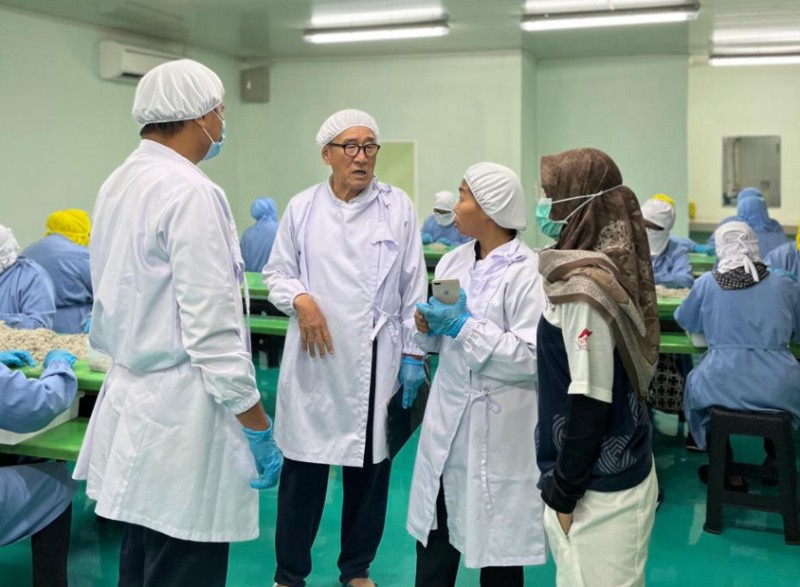
To broaden the range of export products, the UNDIP team and its industry partners are actively participating in international trade promotion events and market exploration activities. In August 2026, UNDIP-supported fisheries products will be showcased in Japan with facilitation from the Ministry of Trade of the Republic of Indonesia. Before that, the team also participated in a trade promotion mission in Taiwan from June 24–29, 2026, as part of efforts to open new market opportunities for Indonesian fisheries products.
UNDIP Rector Prof. Dr. Suharnomo, S.E., M.Si., emphasized that the university’s international partnerships are intended not only to increase the value of fisheries exports but also to strengthen the capacity of local industries to compete independently in global markets, while fostering research collaboration between UNDIP and industry.
“Our goal is not merely to export products abroad, but to build a sustainable blue economy ecosystem that generates positive social and economic impacts for communities. Through technological assistance, product quality improvement, and access to international markets, local businesses can enhance their competitiveness and deliver greater economic benefits to society,” Prof. Suharnomo stated.
To support the development of export-oriented fisheries industries, UNDIP provides a variety of production facilities at the Marine Science Techno Park in Jepara Regency, including cold storage, processing rooms, and refrigerated storage areas. These facilities help maintain product quality in accordance with international market standards and support the establishment of export-compliant production chains, particularly for the Japanese market, which is known for its stringent quality requirements.
Prof. Dr. I Nyoman Widiasa, S.T., M.T., Head of the UNDIP Jepara Campus Management Agency, explained that the export success achieved by UNDIP’s partner demonstrates the transformation of the Jepara Campus from a center of education and academic activities into a hub for science, technology, and business incubation in the fisheries sector.
“We are transforming the UNDIP Campus into an institution that not only generates knowledge but also serves as a Science, Technology, and Business Incubation Hub in fisheries. This business incubation initiative is expected to provide direct socio-economic benefits to surrounding communities,” he said.
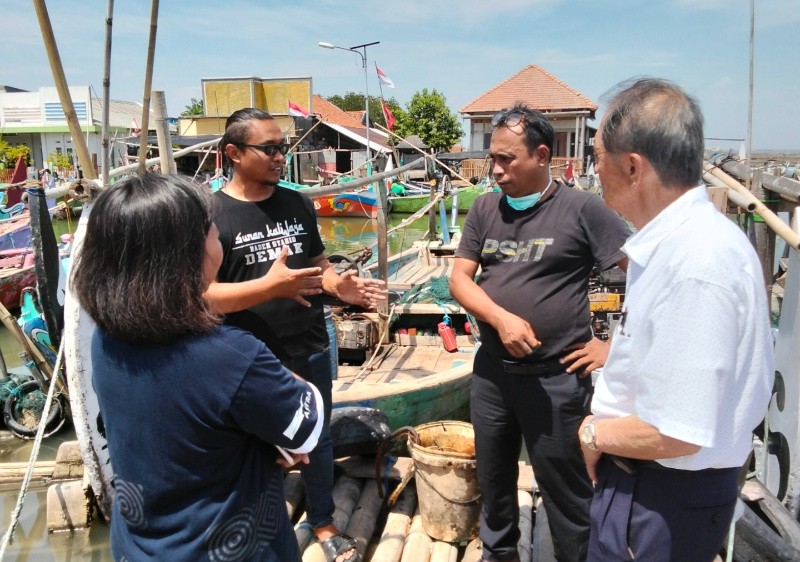
The initiation of an international research collaboration between UNDIP and Kanazawa University in Japan has also reinforced the program’s success. The partnership focuses on developing fisheries technologies and product innovations to increase the value-added potential of marine products and expand the range of products suitable for international export markets.
The program has generated significant socio-economic impacts for local communities. Hundreds of residents in the northern coastal region of Java are directly involved in processing and quality assurance of export products. Most of these workers are women who contribute to sorting, processing, drying, and packaging operations.
Through collaboration among universities, industry, government, and local communities, UNDIP continues to demonstrate that innovation should serve as a solution for strengthening the people’s economy, creating employment opportunities, and improving community welfare. This program reflects UNDIP’s commitment to “Noble and Valuable UNDIP” while contributing to SDG 1 (No Poverty), SDG 5 (Gender Equality), SDG 8 (Decent Work and Economic Growth), and SDG 9 (Industry, Innovation, and Infrastructure) through inclusive and sustainable coastal economic development. (Public Communication / UNDIP / edited by Nurul)