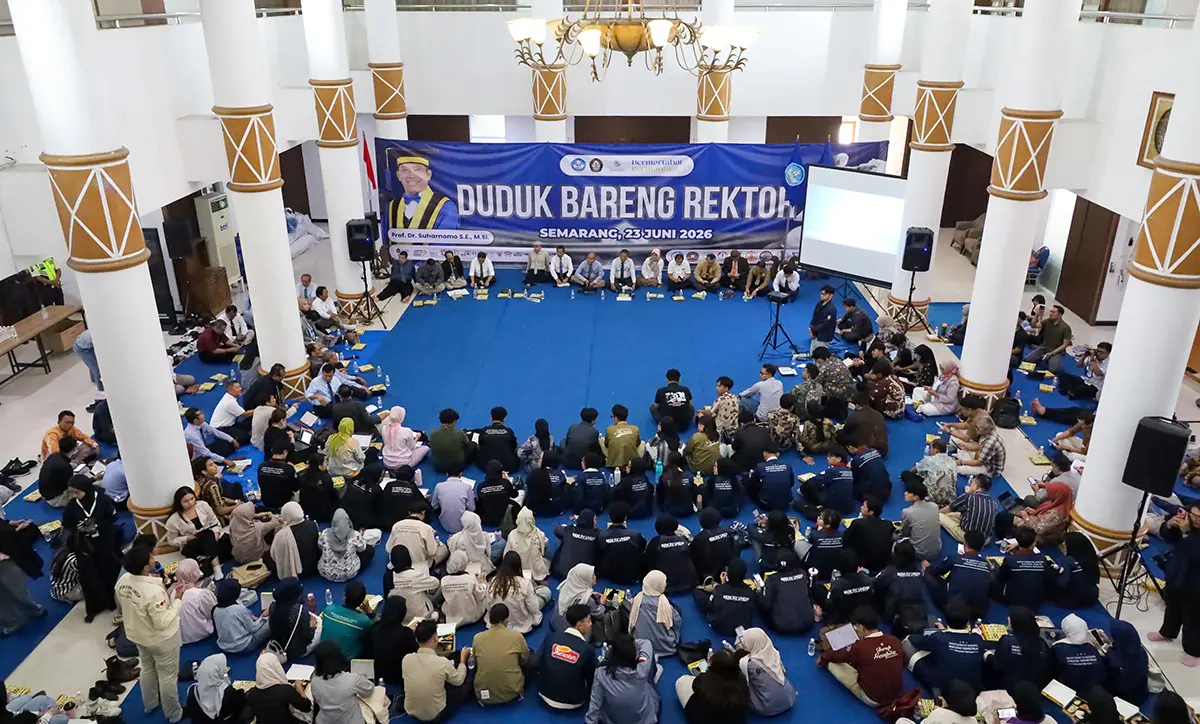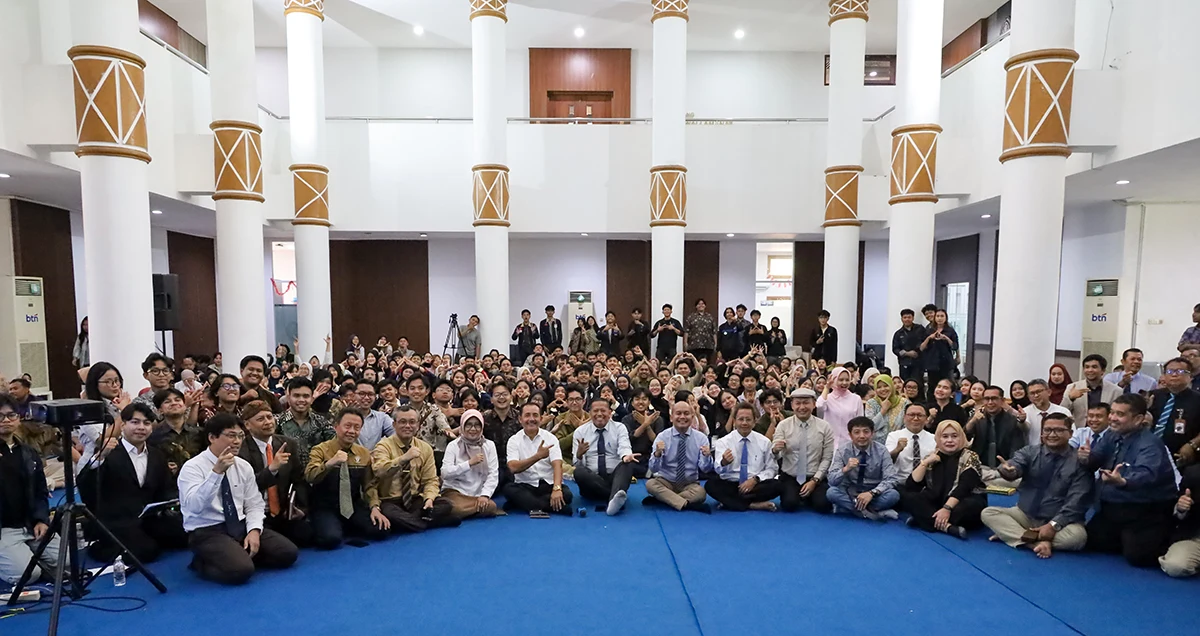
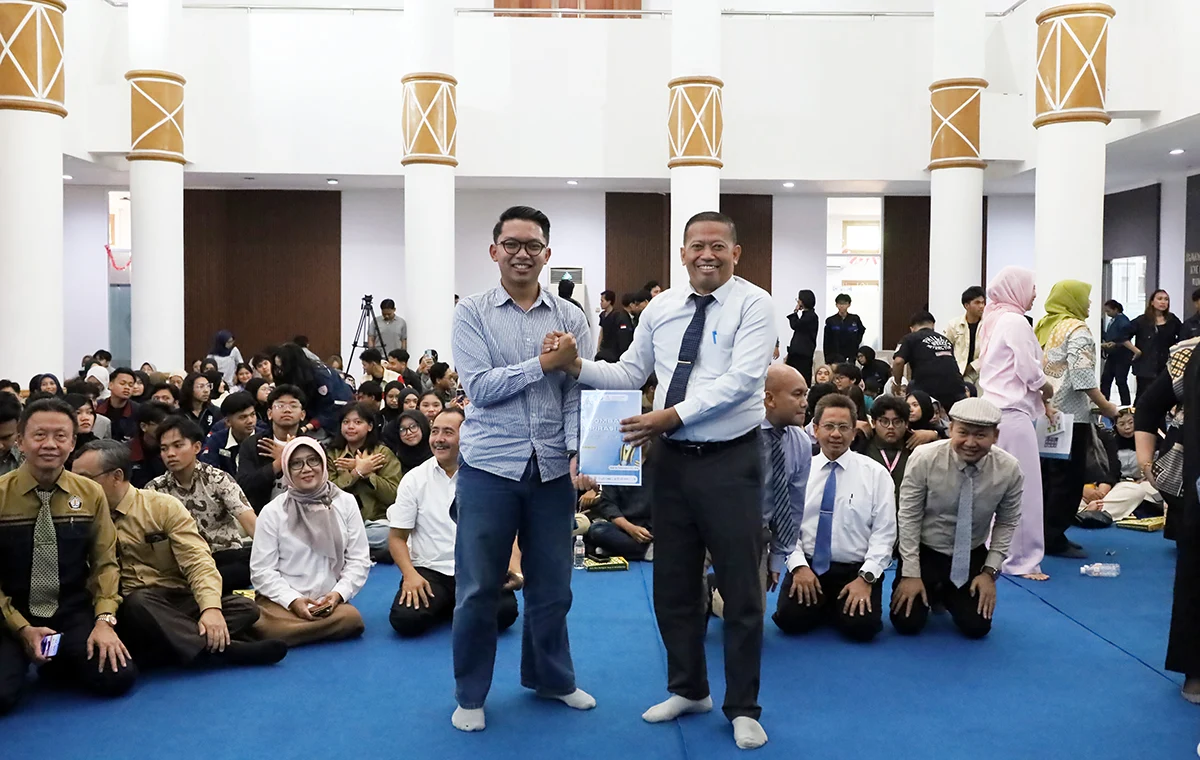
UNDIP, Semarang (24/6) – Universitas Diponegoro (UNDIP) held an open dialogue between university leaders and students through the Duduk Bareng Rektor (DBR) 2026 forum at the SA-MWA Building Auditorium, 1st Floor, Tembalang Campus, on Tuesday, June 23, 2026. The forum served as a strategic platform for students to transparently convey aspirations, critiques, and proposals regarding various key campus issues, strengthening synergy in building a responsive and inclusive university environment.
This annual agenda, jointly initiated by the Student Executive Board (BEM) of UNDIP, was attended directly by the Rector, the Chair of the Academic Senate, Vice Rectors, Deans, Vice Deans, and leaders of university institutions and administrative units, all of whom were present to respond directly to student input.
The Rector of Universitas Diponegoro, Prof. Dr. Suharnomo, S.E., M.Si., warmly welcomed student representatives to the forum, emphasizing the importance of maintaining equal communication between students and university leadership. He encouraged all participants to use the forum constructively to present ideas and jointly oversee the implementation of university policies.
“Forums like this are very important because we come together on equal footing. No one is higher or lower than another. We sit together to consider what is best for the students and our beloved university. The aspirations shared today are part of our continuous efforts to improve services and the learning environment at UNDIP,” he stated.
Prof. Suharnomo explained that over the past two years, UNDIP has continued to implement various improvements in both physical infrastructure and academic services. These efforts include campus infrastructure development, enhancement of learning spaces, improvement of supporting facilities, and expansion of student services, all aimed at creating a more comfortable and equitable learning experience for all students.
“There are certainly still shortcomings that need to be addressed. However, our direction is clear: to create a university that is increasingly noble and valuable. Ultimately, all development initiatives must provide tangible benefits for students and society,” he added.
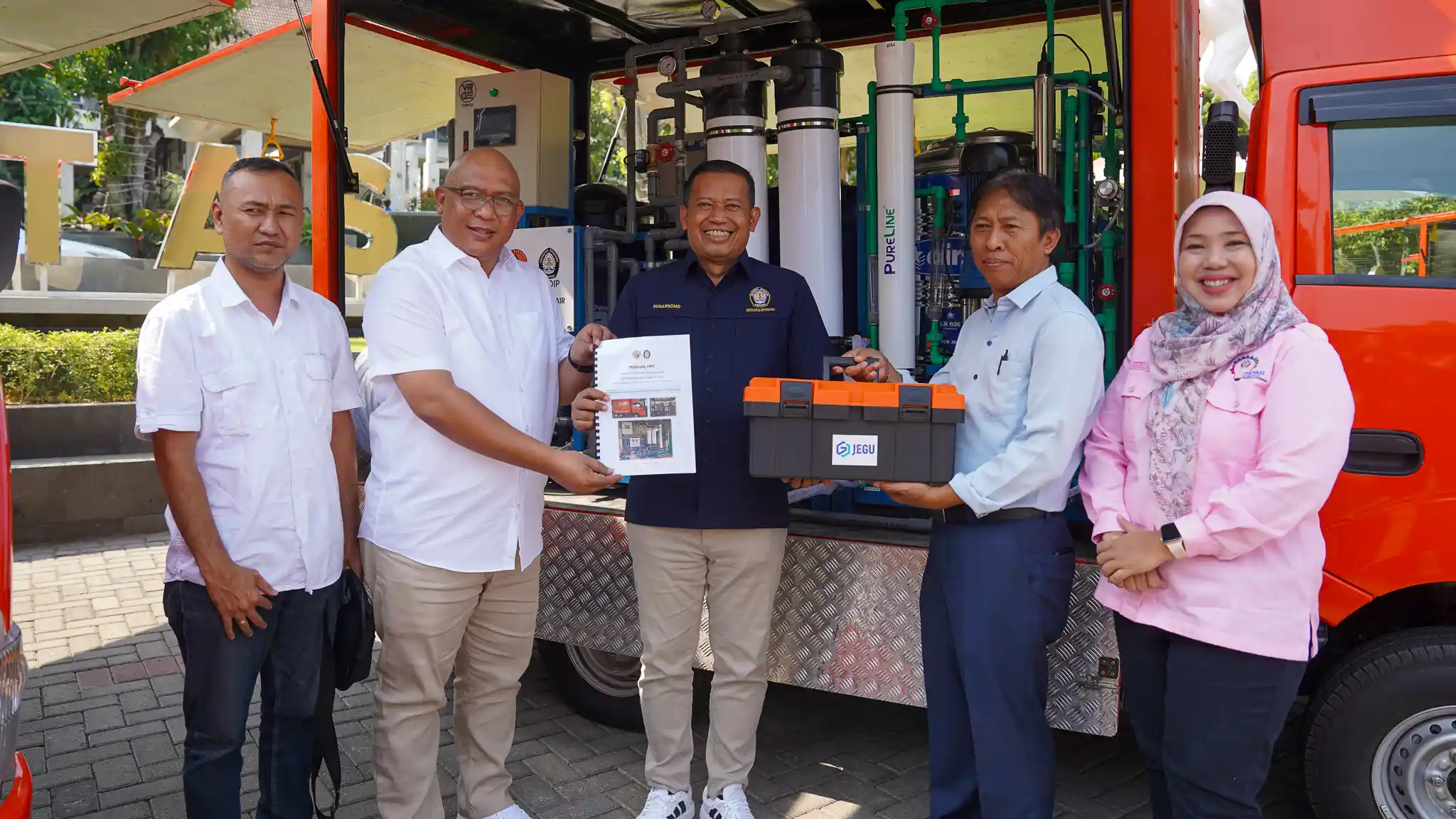
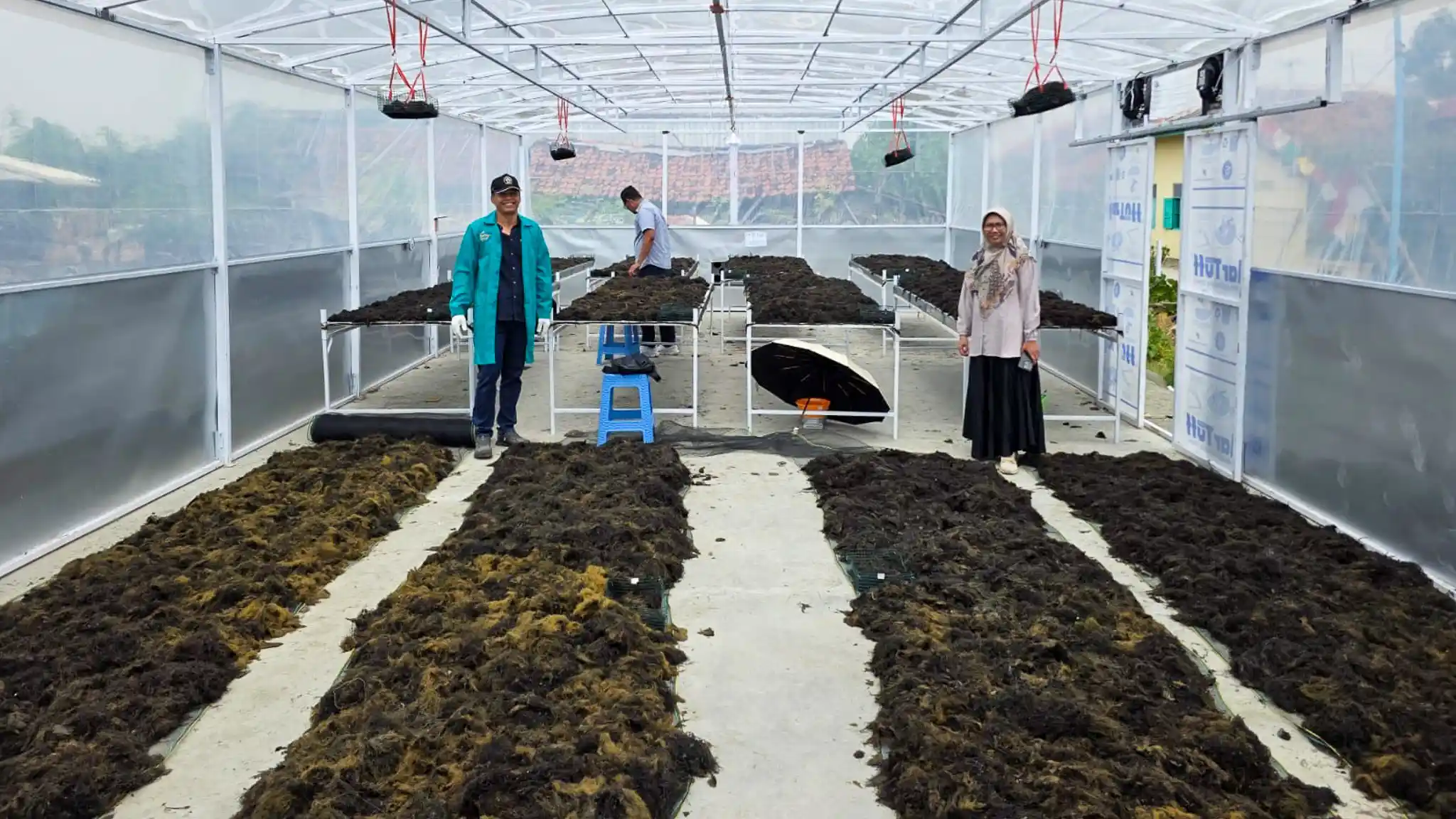
The Rector further emphasized that the spirit of “Noble and Valuable UNDIP” is realized not only through education and research but also through innovations that directly impact society. Several notable initiatives include the provision of seawater desalination systems producing potable water in Nusakambangan, waste-to-compost technology, and water treatment systems designed to address dry-season water shortages along the northern coast of Java (Pantura). These initiatives reflect UNDIP’s vision as a university that contributes meaningfully to society.
Throughout the event, Prof. Suharnomo repeatedly reaffirmed that the university guarantees students’ freedom of expression, provided it is exercised responsibly and respectfully. He also instructed all faculties, departments, and study programs to remain responsive in safeguarding students’ rights to express their views.
During the forum, students presented various aspirations and concerns, moderated by Muhammad Rifqy Halim Arkaan. The discussion, which lasted nearly three hours, addressed a wide range of issues closely related to student life. Topics included campus facilities, such as parking improvements across several faculties; increasing internet bandwidth capacity to 300 Mbps; the provision of public spaces; additional disability-friendly facilities; curriculum alignment; and policies on lecturer performance evaluation. Representatives from the Parallel Campuses in Batang and Jepara also voiced concerns about equitable access to housing facilities, the maintenance of academic buildings and laboratory infrastructure, and the efficiency of class scheduling systems.
In response to these issues, the Vice Rectors immediately presented practical solutions. Vice Rector II, Dr. Warsito Kawedar, S.E., M.Si., Akt., explained that new parking facility projects at the Faculty of Fisheries and Marine Sciences (FPIK) and the Pleburan Campus are currently underway. These projects include additional parking for 700–1,000 motorcycles, scheduled for completion by August, as well as the optimization of the 21-story Twin Tower building to support students’ academic needs better.
Meanwhile, Vice Rector III, Prof. Dr. Adian Fatchur Rochim, S.T., M.T., assured participants that Wi-Fi technology upgrades at four affected faculties would be completed by the end of July, before the start of the new semester. In the academic sector, Vice Rector I, Prof. Dr.rer.nat. Ir. Heru Susanto, S.T., M.M., M.T., emphasized the university’s commitment to closely monitoring lecturers’ performance and ensuring curriculum readiness to avoid hindering students’ academic progress.
The Chair of BEM UNDIP 2026, Nur Maajid Taufiqurrahman, stated that student representatives attended the forum not merely to voice complaints but also to offer concrete solutions. He expressed hope that the proposed solutions would be implemented promptly by the university administration, including infrastructure improvements, academic policies, and the handling of violence-related issues within the university environment.
Nur Maajid also expressed appreciation for the rectorate’s responsiveness, noting that several issues previously raised had already begun to be addressed and implemented effectively. Nevertheless, he stressed that BEM UNDIP would continue to monitor and ensure the consistent implementation of the commitments outlined in the policy brief throughout the year to guarantee meaningful change for all students.
As a demonstration of shared commitment, DBR 2026 concluded with the signing of a policy brief by the Rector, university leaders, the Chair of BEM UNDIP, and representatives of faculty and school student executive boards. The document serves as a joint framework for monitoring future improvements based on the recommendations generated during the dialogue. Through the strong synergy fostered during Duduk Bareng Rektor 2026, UNDIP remains optimistic about developing sustainable, targeted, and impactful policies that will guide the university toward a more inclusive future. (Public Communication/UNDIP/DHW)