
UNDIP, Nusakambangan (6/7) – For decades, Nusakambangan Island has been known as “Indonesia’s Alcatraz.” The island south of Cilacap has been more closely associated with high-security prisons than with stories of innovation. Yet behind this image, Nusakambangan faces a much more fundamental issue: water.
On an island where most of the land consists of limestone, obtaining good-quality water is not easy. Freshwater is available, but its relatively high limestone content makes it unsuitable for drinking. The drinking water needs of inmates and staff have therefore had to be met from outside the island.
“Until now, the availability of clean water and drinking water in Nusakambangan has remained a challenge because of the island’s geographical conditions and limited access to good freshwater sources. The freshwater in Nusakambangan has a very high limestone content,” said the Regional Coordinator of the Nusakambangan and Cilacap Correctional Technical Implementation Unit and Head of Batu Nusakambangan Class I Correctional Facility, Dr. Irfan, A.Md.IP., S.H., M.H.
Dependence on water supplies from outside the island is not only costly but also vulnerable to disruptions caused by weather and ferry transportation. Before desalination technology was introduced, drinking water had to be supplied regularly from outside Nusakambangan.
Toward a Productive Nusakambangan
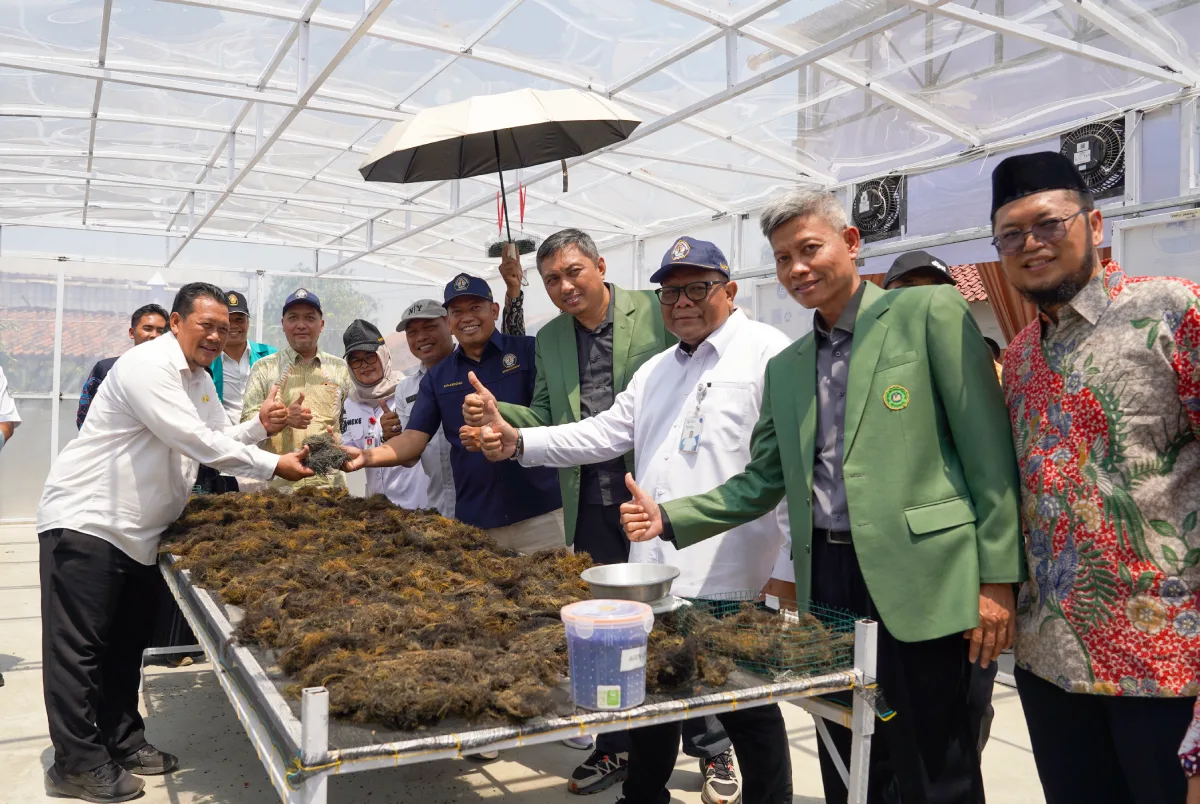
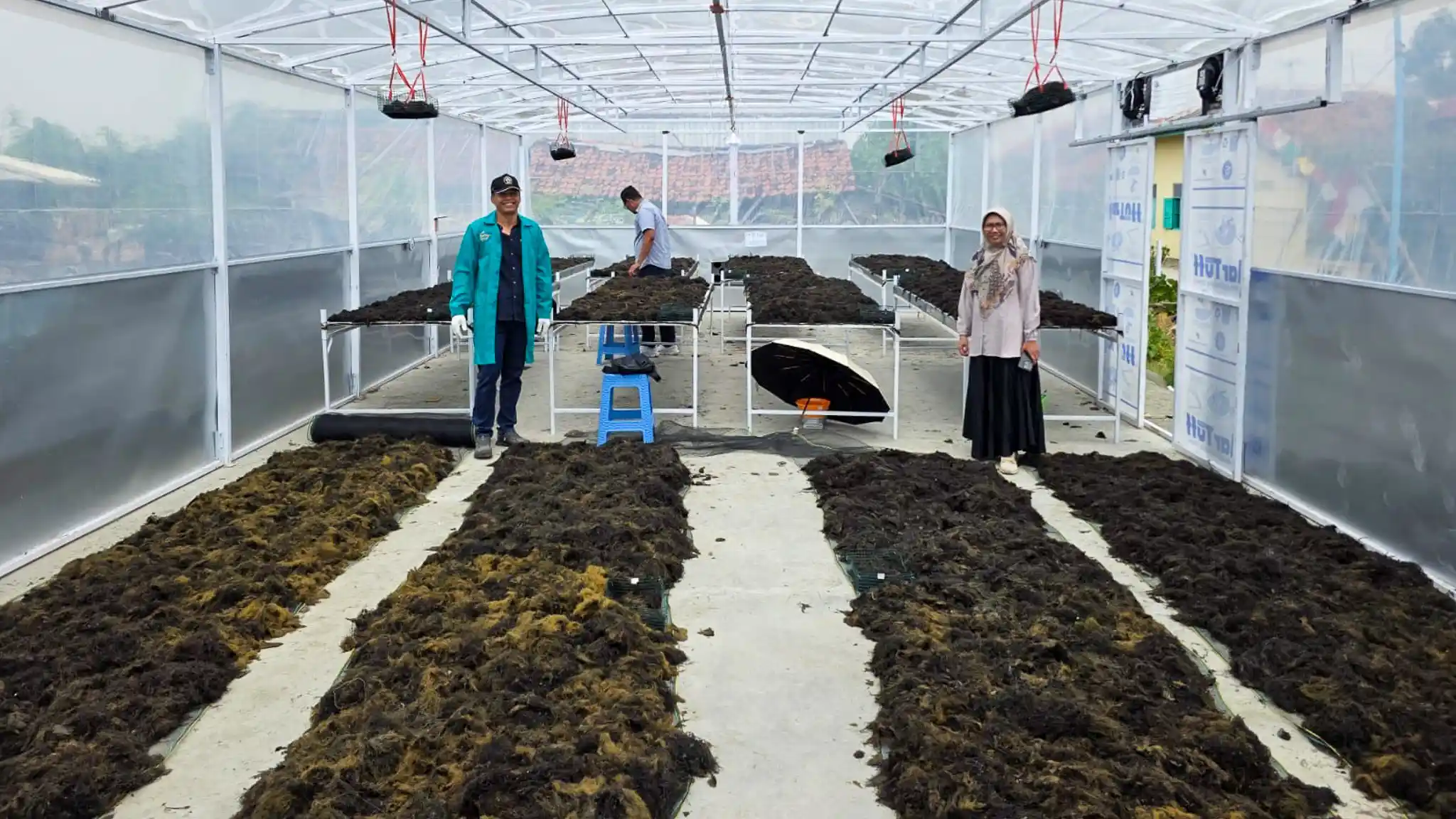
Amid these limitations, Nusakambangan is transforming into a food-security area. Approximately 135 hectares of previously unproductive land have been converted into agricultural, livestock, fisheries, and other productive areas managed by inmates. Through this program, hundreds of inmates are not only involved in supporting food security but also gain skills that can serve as valuable provisions when they return to society.
It is within this new ecosystem that desalination technology developed by Universitas Diponegoro (UNDIP) has been introduced. The seawater-to-drinking-water treatment facility not only supports the area’s basic needs but has also become part of Nusakambangan’s transformation into a more self-reliant and productive area.
UNDIP Desalination Technology as a Solution for Drinking Water Supply
The idea of bringing a desalination machine to Nusakambangan began with the intersection of an actual need in the field and Universitas Diponegoro’s (UNDIP) extensive experience in developing seawater treatment technology.
Prof. Dr. I Nyoman Widiasa, S.T., M.T., the initiator of the technology, said the government’s interest in UNDIP’s desalination technology began when the Minister of Immigration and Corrections, Agus Andrianto, inaugurated the Campus Immigration Point at UNDIP on December 1, 2025. On that occasion, UNDIP Rector Prof. Dr. Suharnomo, S.E., M.Si., presented various innovations developed by the university, including desalination technology capable of converting seawater into freshwater and even ready-to-drink water. The presentation attracted Minister Agus’s attention, as he saw its potential to address drinking water needs in Nusakambangan.
“At that time, the Minister was present, and UNDIP explained that it had been conducting extensive work on desalination, converting saltwater into freshwater and even into drinking water. That was what attracted the Minister’s interest, particularly for application at Nusakambangan Correctional Facility, which is located along the coast,” said Prof. Nyoman.
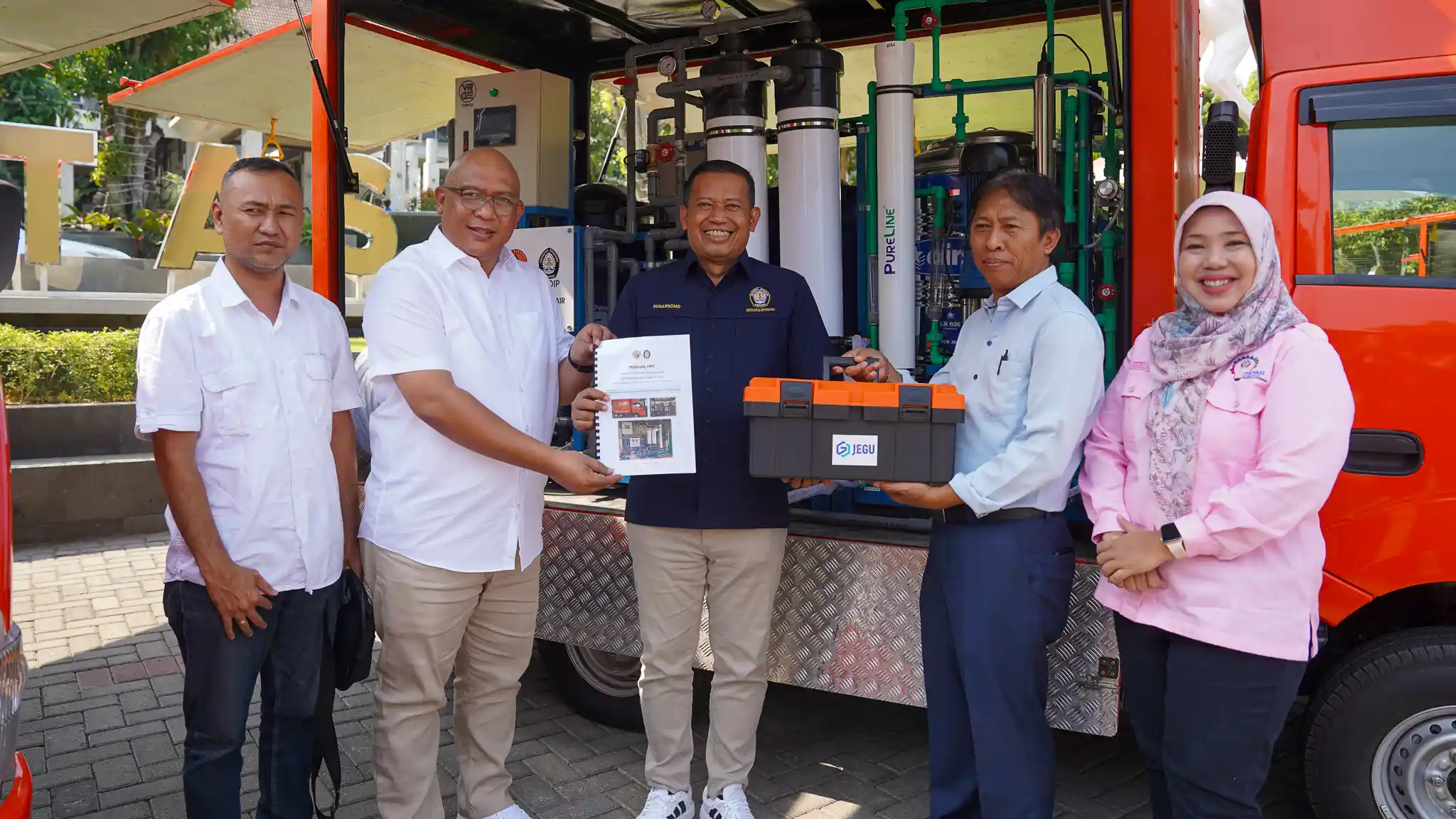
The interest was subsequently realized through a partnership among the Ministry of Immigration and Corrections, the Central Java Regional Office of the Directorate General of Corrections, and UNDIP to introduce desalination technology at the Batu Nusakambangan Class I Correctional Facility. The partnership was signed in April 2026 and was designed to address Nusakambangan’s longstanding challenge: limited access to drinking water on an island surrounded by seawater. At the same time, the two parties explored opportunities to use the concentrate from the desalination process as a raw material for future salt production.
During a working visit to Nusakambangan on June 20, 2026, Minister of Immigration and Corrections Agus Andrianto and Chair of Commission IV of the House of Representatives of the Republic of Indonesia, Siti Hediati Soeharto, inspected the desalination facility at Batu Nusakambangan Class I Correctional Facility. The facility is located on the coast, adjacent to an eel farming pond that is part of the development of Nusakambangan’s food security area.
The facility’s inauguration was marked by the ceremonial breaking of a clay water jar, symbolizing the start of desalination technology to meet the drinking water needs of inmates and staff at Nusakambangan.
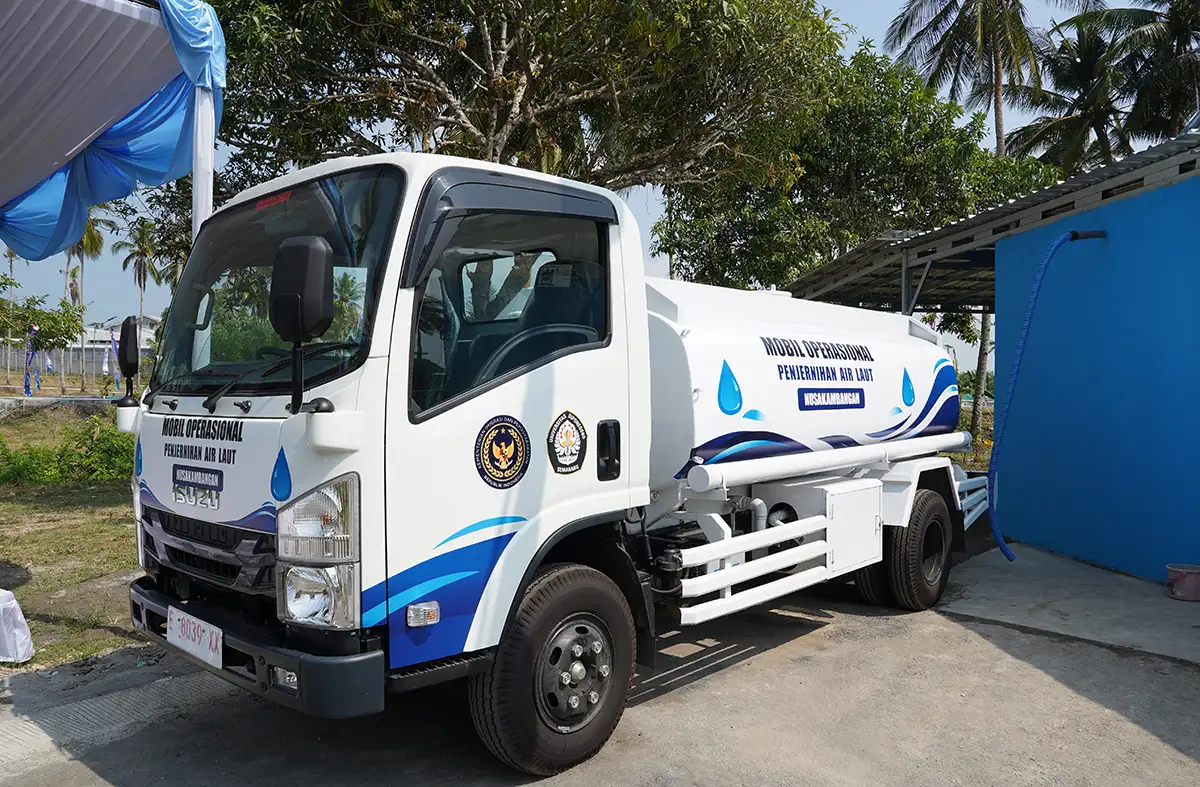
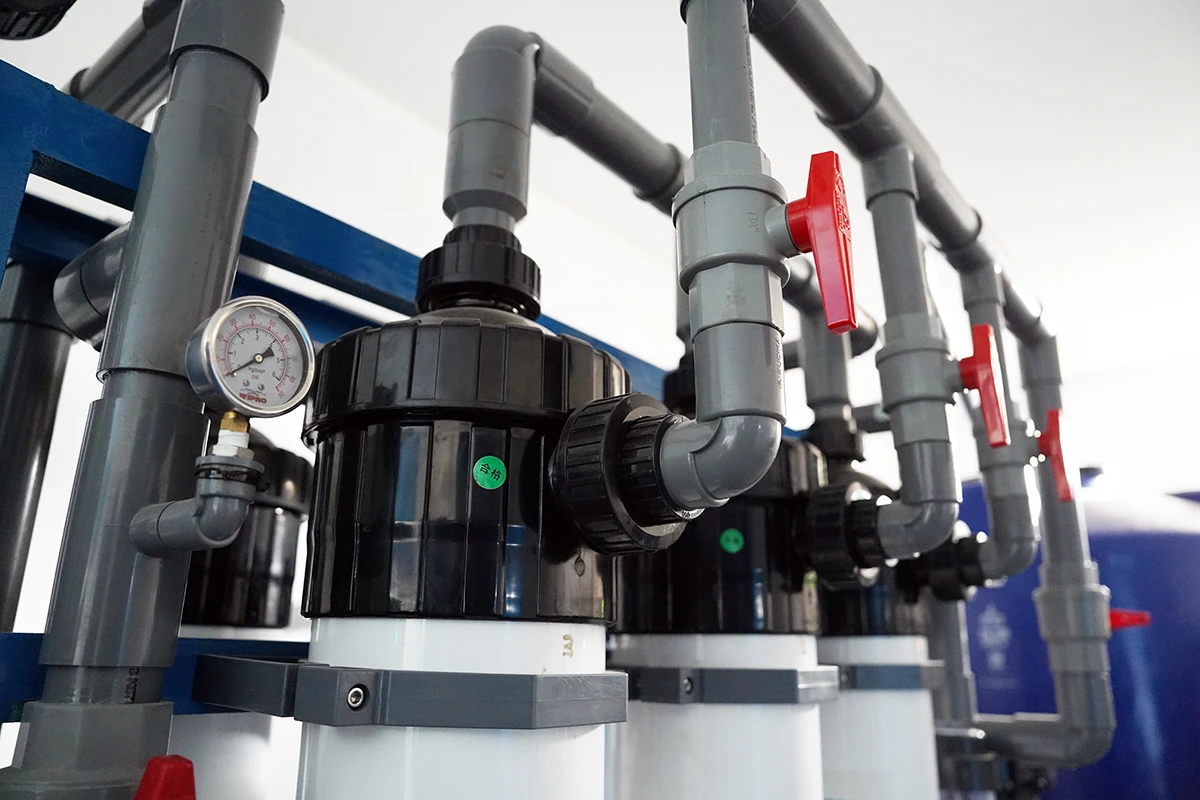
The facility currently in operation uses seawater as its primary raw material. Through reverse osmosis (RO) technology, seawater is processed into potable water for direct consumption.
Its production capacity reaches 20,000 liters per day, far exceeding the current daily consumption needs of inmates and staff, which amount to approximately 29,700 liters per week. Interestingly, the system does not rely entirely on conventional electricity. The desalination facility uses solar panels as its primary energy source, making its operation more efficient and sustainable.
UNDIP Rector Prof. Dr. Suharnomo, S.E., M.Si., said the use of solar energy is one of the key advantages of the technology developed by UNDIP. According to him, integrating desalination technology with renewable energy enables more efficient drinking water supply while remaining environmentally friendly.
During his inspection of the desalination facility with Minister of Immigration and Corrections Agus Andrianto and Chair of Commission IV of the House of Representatives Siti Hediati Soeharto, Suharnomo said that the use of solar panels was an important part of efforts to develop technology that not only addresses drinking water needs but also supports sustainability principles.
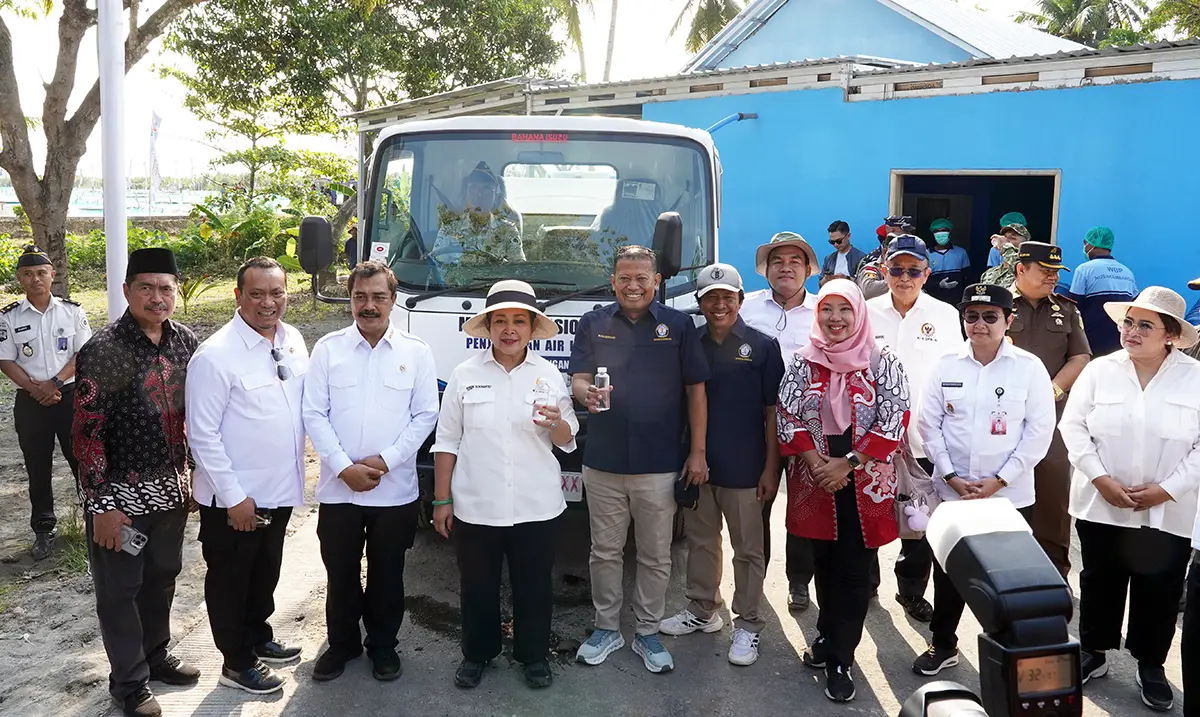
“We are very pleased that the water needs of Nusakambangan can be met using seawater through a desalination machine developed by UNDIP under Prof. Nyoman, utilizing solar panels,” said Prof. Suharnomo.
Chair of Commission IV of the House of Representatives Siti Hediati Soeharto also expressed appreciation for the innovation. According to her, UNDIP’s desalination technology provides a practical solution for areas facing limited access to clean water.
“UNDIP is helping here in Nusakambangan. Water is difficult to obtain, even though seawater is readily available and we can take it. After being processed, it can become clean, ready-to-drink water. This is an extraordinary innovation, and hopefully it can be further developed in other areas,” she said.
Environment: Protecting Marine Ecosystems While Utilizing Seawater
One question that frequently arises whenever desalination technology is introduced concerns its environmental impact. Prof. Nyoman assured that the system developed by UNDIP was designed to protect marine ecosystems.
Water is drawn using gravity flow and a small-capacity pump, preventing the formation of vortices that could suck in fish and other marine organisms.
“If we used a large-scale pump, fish and other organisms could also be sucked in. The system we use is different. The flow is very slow,” he said.
Moreover, the concentrated water, or reject water, produced by the desalination process is not viewed merely as waste. In the future, UNDIP sees an opportunity to use it as raw material for salt production so that no resources go to waste.
According to Prof. Nyoman, another environmental benefit is the reduced dependence on groundwater exploitation. Using seawater as the primary source can reduce pressure on groundwater reserves.
Economy: Reducing Dependence on Supplies from Outside the Island
Before the desalination facility was introduced, meeting Nusakambangan’s drinking water needs required substantial logistical costs. Water had to be purchased from outside the island and delivered regularly by ferry. When weather conditions deteriorated, water distribution often faced difficulties.
“The costs of purchasing drinking water, transporting and distributing it from the mainland, as well as various operational costs that were previously incurred, can be significantly reduced,” said Dr. Irfan.
He explained that the desalination technology not only provides a new source of drinking water but also improves budget efficiency while strengthening Nusakambangan’s self-reliance in meeting its basic needs.
Whereas previously water needs had to be met through supplies from outside the island amid various distribution and weather-related challenges, some of those needs can now be met through local production. The availability of a nearby, stable, and sustainable source of drinking water provides an important foundation for the development of the growing food security area in Nusakambangan.
The facility’s production capacity of approximately 20,000 liters per day is considered more than sufficient to meet the drinking water needs of inmates and staff, which currently amount to approximately 29,700 liters per week.
Social Impact: Knowledge Transfer, Cultivating Hope
The most interesting impact is not actually found inside the machine. It can be seen in the inmates who learn to operate the facility every day.
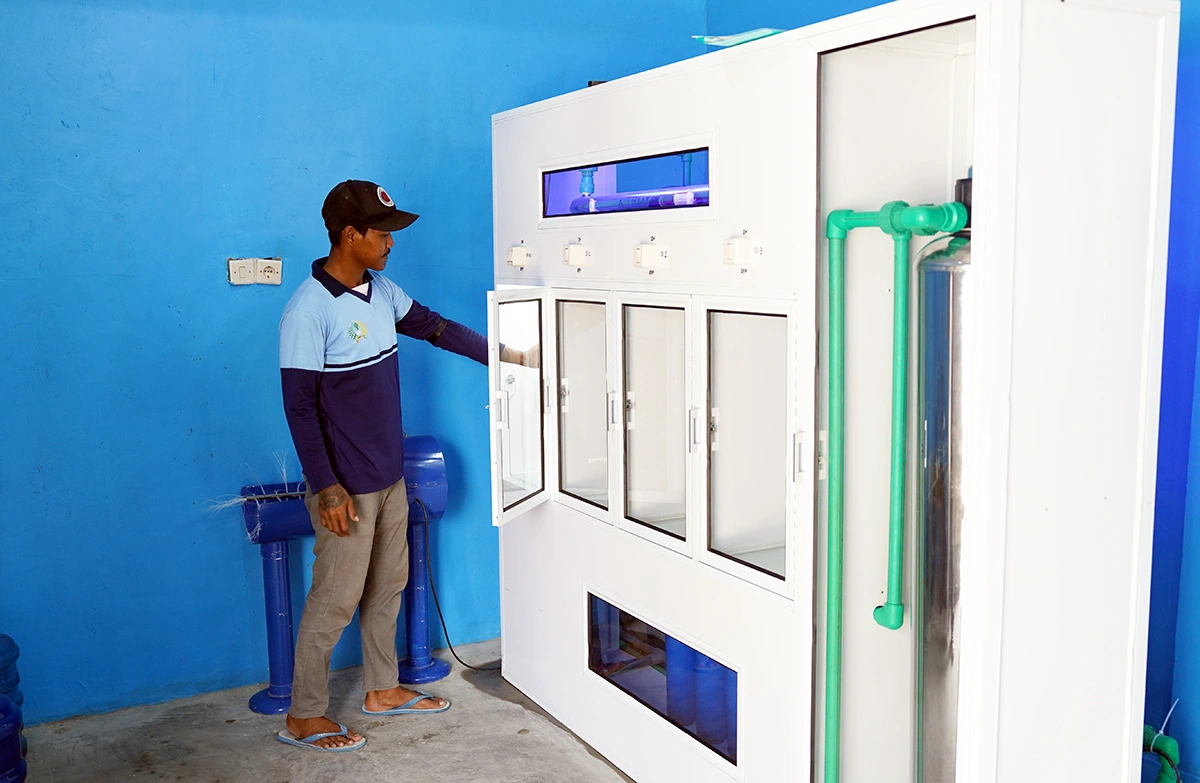
UNDIP continuously trains three to four inmates to become desalination operators. They learn the entire process, from seawater intake and filtration to operating the RO machine and maintaining the system.
Because the current operators will eventually be released, knowledge transfer is carried out continuously to the next group.
“UNDIP is responsible for designing and installing the system, providing training, and conducting supervision even after the machine has been completed,” said Prof. Nyoman.
One of the trainees is Bagus Setiawan, an inmate at Nusakambangan Open Correctional Facility. Initially, he had never seen a seawater treatment machine. Now he can explain the system’s operational stages from beginning to end. More importantly, the training has inspired a new idea about his future.
“I hope that when I get out, I can start a business like this,” he said.
For Bagus, the benefits of the technology extend beyond skills. He has also experienced firsthand the difference in the quality of the water produced.
“Previously, it was difficult because Nusakambangan is a limestone mountainous area. But this distilled water no longer contains the limestone. Water mixed with limestone tastes bland. But the distilled seawater has a slightly sweet taste. It is fresher,” he added.
In Nusakambangan, transformation is taking place not only as idle land is converted into productive areas. Transformation is also occurring as seawater is turned into drinking water and as inmates gain new skills to prepare for life after their release.
Supporting Nusakambangan’s Transformation
During his visit to Nusakambangan, Chair of Commission IV of the House of Representatives Siti Hediati Soeharto described UNDIP’s desalination technology as an innovation worthy of further development in other regions.
“This is an extraordinary innovation. Hopefully, it can be further developed in other areas,” she said.
The statement is in line with the transformation currently taking place in Nusakambangan. The island, long synonymous with prisons, is gradually becoming a productive agricultural, livestock, and fisheries-based area for food cultivation.
Within this transformation, the desalination technology may be just one facility on the coast. Yet without sufficient drinking water, food security would be difficult to develop. Without knowledge transfer, technology would be difficult to sustain. And without environmental sustainability, development would not last. Therefore, in Nusakambangan, the desalination machine is not merely a tool for transforming seawater into drinking water. It serves as a bridge connecting knowledge, food security, environmental conservation, economic efficiency, and hope for those preparing to find their way home. (Public Communication/UNDIP/Ninok Hariyani)