

UNDIP, Semarang (25/7) – Universitas Diponegoro (UNDIP) welcomed a visit from the Strategic Minerals Agency (Badan Industri Mineral/BIM) for a Cooperation Technical Hearing and Discussion on Thursday, July 23, 2026. Held in the Rector’s Meeting Room on the 2nd Floor of the Widya Puraya Building at the UNDIP Tembalang Campus, the meeting marked an initial step toward aligning the needs of Indonesia’s national mineral industry with UNDIP’s academic expertise, research capabilities, and technological resources.
University leaders attended the forum, including representatives from the Faculty of Engineering, Faculty of Science and Mathematics, the Integrated Laboratory Unit, as well as lecturers and researchers specializing in chemistry, physics, biology, and mechanical engineering. Representing BIM were Principal Expert Bambang Heru Susanto, along with Suhendra, Hasful Anwar Fathoni, and Miranita Nariswari.
Representing the UNDIP Rector, Vice Rector for Academic and Student Affairs, Prof. Dr.rer.nat. Ir. Heru Susanto, S.T., M.M., M.T., expressed his appreciation for the initiative. He emphasized that the mineral sector plays a strategic role in strengthening national competitiveness and therefore requires focused attention and reinforcement through well-directed cross-sector collaboration.
“Minerals are among the strategic commodities that serve as key assets for Indonesia’s industrial self-reliance and competitiveness. This meeting provides an opportunity to align BIM’s mandate with the expertise of UNDIP’s lecturers and researchers. We hope the synergy established through this collaboration can contribute to producing knowledge that directly addresses real industrial needs,” he said.
“UNDIP has multidisciplinary experts and laboratory facilities capable of supporting material characterization, testing, validation, and technology development. Real-world challenges faced by the government and industry can serve as starting points for researchers to develop solutions that are more relevant, applicable, and capable of generating added value,” Prof. Heru added.
Meanwhile, Bambang Heru Susanto explained the basis for establishing BIM as a non-structural agency under Presidential Regulation No. 7 of 2025. The agency has a specific mandate to accelerate research, technology development, and value addition for strategic minerals that are crucial to the country’s economic resilience and national defense. BIM also serves as a coordination platform connecting the government, research institutions, universities, and industry.
“We have identified dozens of potential mineral types in Indonesia, including Rare Earth Elements, which are high-value commodities on the international geopolitical stage. As a strategic agency directly accountable to the President, BIM acts as an operator and integrator across ministries, institutions, and academia. We recognize that technological mastery and mapping cannot be pursued independently. Synergy with leading universities such as UNDIP is key to accelerating technology transfer and formulating appropriate policies,” Bambang explained.
“This collaboration plays a key role, from preparing technical analyses to developing investment documents. Through a structured partnership scheme, we seek to involve university experts and practitioners in various strategic projects, the utilization of testing laboratories, and human resource capacity development. This joint effort is expected to accelerate mineral downstream processing, provide researchers with hands-on experience, and strengthen national technological self-reliance in the future,” he continued.
According to Suhendra, the partnership can begin with concrete activities such as potential mapping, material characterization, laboratory testing, process simulation, engineering design preparation, and assistance in technology implementation. One potential joint initiative is the preparation of a Basic Engineering Design (BED) for a zircon sand processing facility to produce micronized zircon silicate and zirconia, as well as the utilization of UNDIP laboratories to support the validation process.
“We hope today’s discussion will soon be followed up through measurable proposals and implementation agreements. The goal is not merely to produce documents, but to build national capabilities, accelerate technology transfer, and prepare projects that are feasible to implement. This collaboration must generate tangible benefits for industry and society,” he added.
The engineering documents are required to validate the technology, product quality, investment requirements, process safety, and environmental management before the facility is developed on a commercial scale. The resulting products have broad applications, including in the ceramic and refractory industries, dental materials, oxygen sensors, catalysts, and technologies operating at high temperatures.
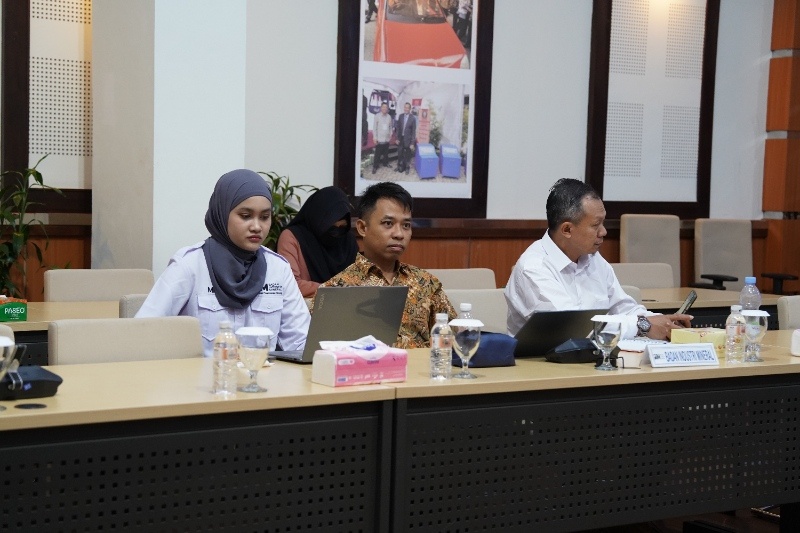
The discussions between the two parties focused on establishing a partnership framework covering the Three Pillars of Higher Education (Tridharma Perguruan Tinggi) and strategic minerals. The scope includes policy and governance studies, information system development, joint research, geometallurgical characterization, mineral processing innovation, pilot plant development, and the joint utilization of research facilities and laboratories.
Human resource development will also be an important component of the planned partnership. Potential programs include student research, internships, competency certification, expert exchanges, practitioner-led teaching, technology transfer, and community empowerment in mining areas. Environmental considerations will also be a key priority through the development of responsible mineral processing technologies and mitigation of the impacts of mineral industry activities.
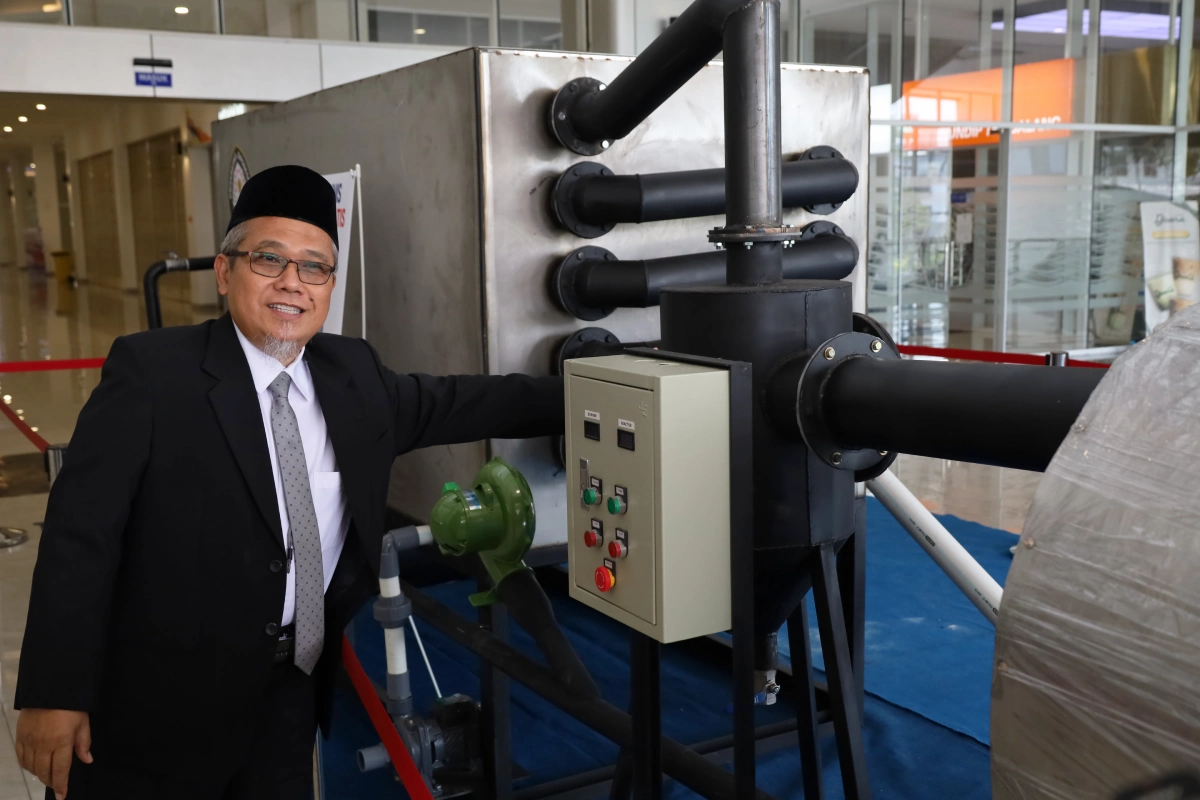
Through this partnership, UNDIP and BIM are committed to integrating the Tridharma of Higher Education with the national downstream processing agenda. Following the official discussion at the Widya Puraya Building, the agenda continued with a tour of the laboratory facilities at UNDIP’s Integrated Laboratory Unit to assess firsthand the readiness of the research infrastructure supporting the collaboration. (Public Communication/UNDIP/DHW)