

UNDIP, Semarang (18/8) – Universitas Diponegoro (UNDIP), through its eBro (makes broiler production easier) technology innovation, continues to contribute to the development of Internet of Things (IoT)-based broiler farming technology. eBro is the result of research developed by UNDIP Mechanical Engineering lecturer Prof. Dr. Eng. Munadi and his team to improve the efficiency of managing closed-house broiler chicken farms.
To date, eBro technology has been implemented and utilized by broiler farmers in Nanggulan and Kalibawang, Kulon Progo; Bandungan, Semarang Regency; Gunungpati, Semarang City; and Bandar, Batang Regency. The development of this technology represents a downstream application of university research that can directly support the productivity and efficiency of broiler farming businesses.
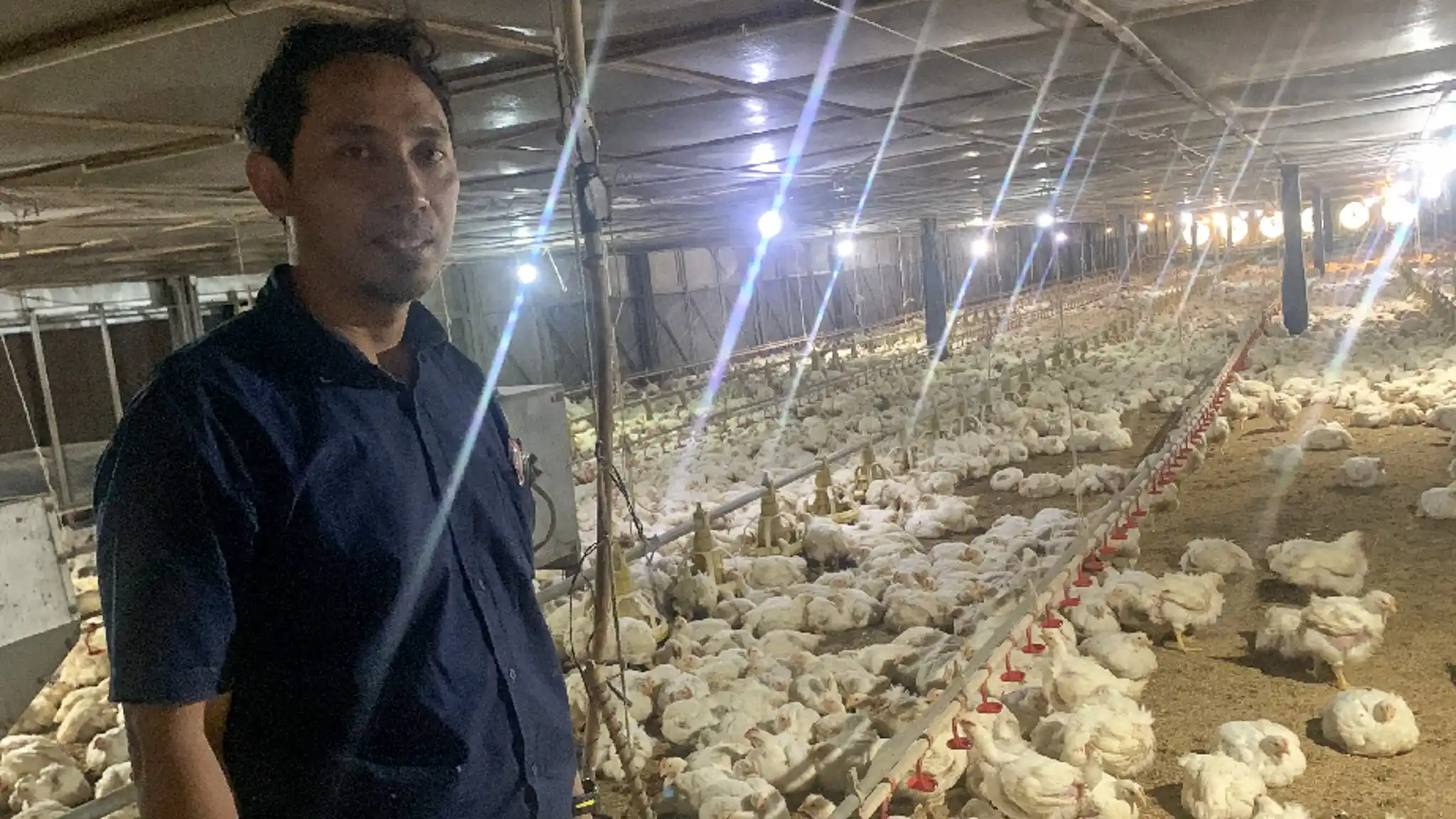
Food security is an important factor in supporting stable and sustainable economic growth in Indonesia. One of the pillars of food security is the availability of livestock products, including broiler meat, a primary source of animal protein for the public. In the production process, broiler chickens can be raised using either open-house or closed-house systems. The closed-house system offers several advantages because environmental conditions inside the poultry house can be better controlled, including temperature, humidity, and air circulation. The system also allows for higher stocking densities, lower mortality rates, and improved feed efficiency and harvest yields. However, constructing and operating a closed-house poultry house requires relatively high investment and operating costs, making the application of technology essential to improving efficiency.
In broiler farming, costs need to be carefully managed to ensure that the production process generates optimal profits. These costs include internal expenses, such as salaries for poultry house workers, electricity, gas, bedding material, and water, as well as external expenses covering DOC (day-old chicks), feed, and medication.
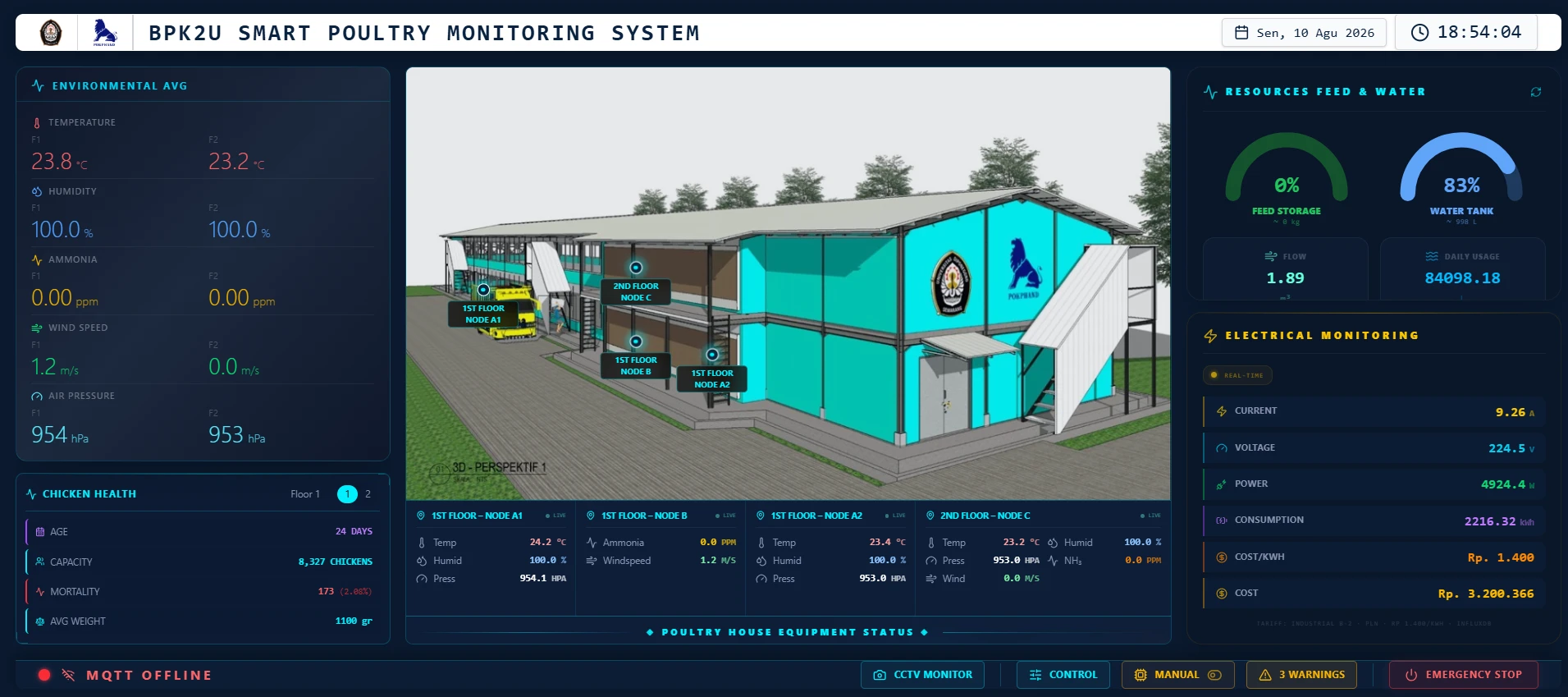
To help reduce poultry house operating costs, the UNDIP research team developed eBro as an integrated system for monitoring and controlling poultry house conditions. The eBro system consists of sensors for measuring temperature, humidity, pressure, air velocity, ammonia levels, and light intensity; a LoRa sensor communication system; a Human Machine Interface (HMI) based on Message Queuing Telemetry Transport (MQTT); and an alarm system that detects when exhaust fans are not rotating. All of these components are integrated into an IoT website.
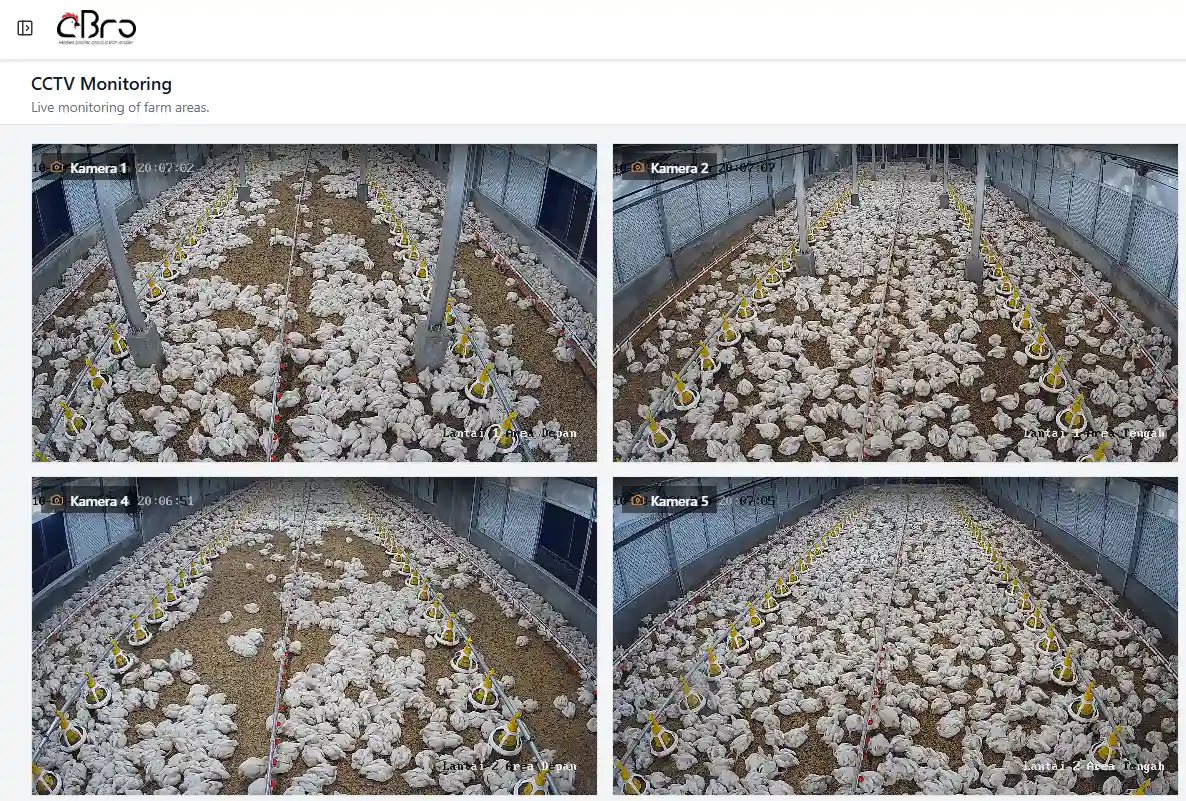
Sensors installed inside the poultry house can monitor environmental conditions in real time. The system supports the control of environmental parameters when conditions inside the poultry house are above or below the recommended standards for broiler production. Through the HMI, poultry house workers can monitor and adjust environmental parameters, while the IoT website allows poultry house owners and partner companies to monitor conditions remotely from different locations.
The implementation of this technology is important because the comfort and growth of broiler chickens are strongly influenced by the poultry house environment throughout the production cycle, typically until harvest at 30–40 days of age. Temperature, humidity, pressure, air velocity, and ammonia levels must be maintained in accordance with established production standards. In addition to environmental parameters, eBro supports production data management, allowing poultry house workers, owners, and partner companies to compare actual conditions with daily standard values. These include mortality, feed consumption, chicken weight, Feed Conversion Ratio (FCR), temperature, humidity, pressure, air velocity, and ammonia levels.
This comparison allows production performance and the quality of chicken management to be evaluated at an early stage, without waiting until the end of a production cycle. The use of eBro directly impacts farm management. Farmers and partner companies can monitor poultry houses remotely, while poultry house workers no longer need to record extensive production data every day manually. Workers need only about 1 minute each day to enter data on mortality, feed, and chicken weight in the application. Environmental parameter data can also be stored and downloaded when needed, facilitating evaluation and decision-making.
At the same time, the system helps maintain poultry house environmental parameters within conditions that support optimal chicken growth.
Based on the implementation of eBro at farms that have adopted the technology, more efficient poultry house management enables farmers to reduce direct operating costs to below IDR 2,000 per chicken. With an average Performance Index (PI) above 450, farmers’ potential profit can exceed IDR 4,000 per chicken.
These results demonstrate that digital transformation in poultry farming not only simplifies monitoring processes but also has the potential to generate a direct economic impact through greater operational efficiency and improved production performance.
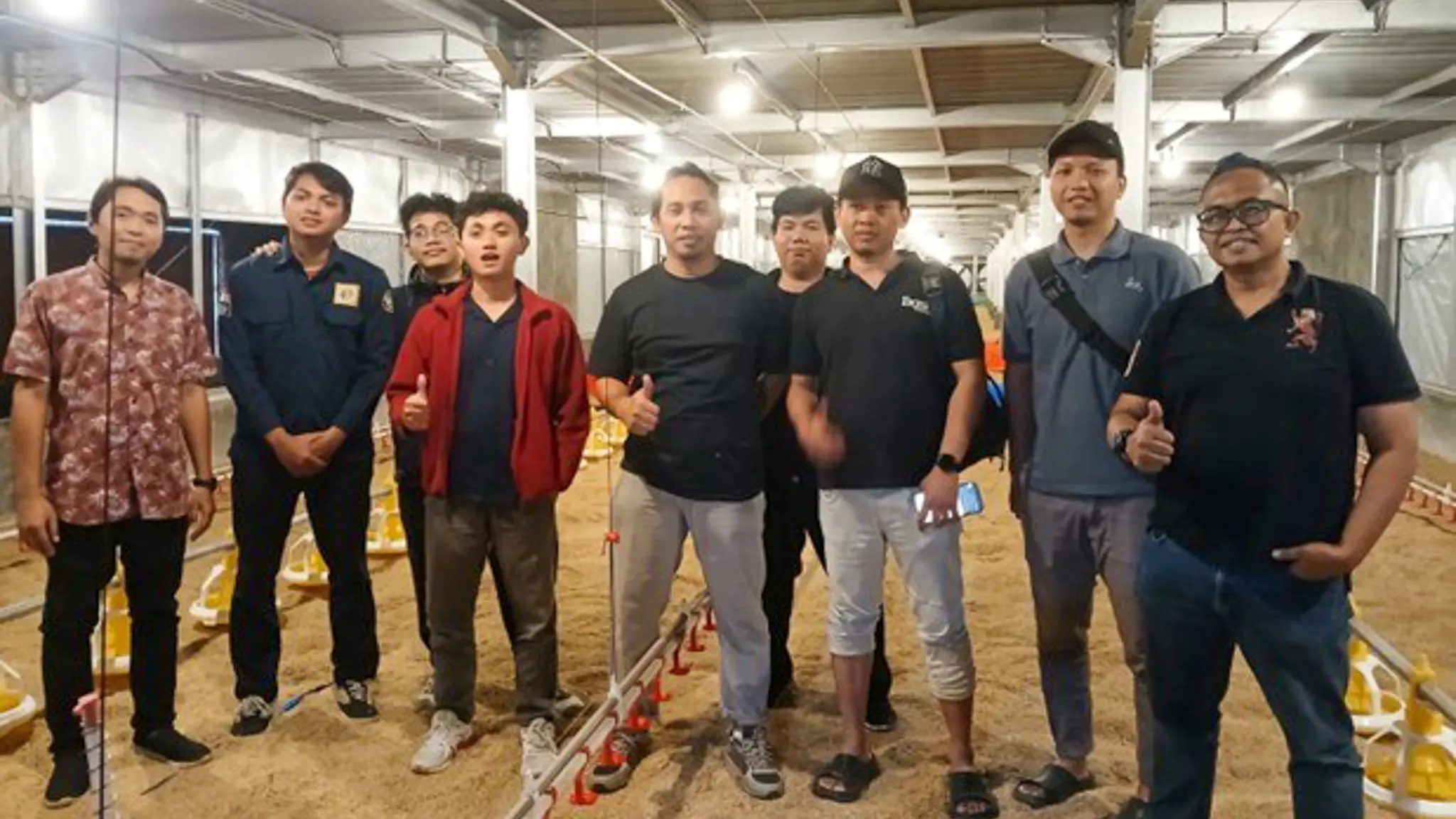
The development and implementation of eBro are among UNDIP’s efforts to commercialize and apply its research outcomes, so that university innovations can provide tangible benefits to society. Through collaboration among researchers, poultry house workers, farmers, and partner companies, eBro technology is expected to continue to develop and be more widely implemented on closed-house broiler farms across Indonesia.
The appropriate use of this technology can also support increased livestock productivity and strengthen the availability of animal protein as part of efforts to achieve national food security. The eBro innovation also embodies the spirit of ‘Noble and Valuable UNDIP’, reflecting UNDIP’s commitment to developing academic and research excellence that goes beyond advancing knowledge and is translated into innovations that provide concrete benefits to society.
The implementation of eBro demonstrates UNDIP’s contribution to transforming poultry farming into a more efficient, productive, data-driven, and sustainable system.
The innovation also contributes to the achievement of the Sustainable Development Goals (SDGs), particularly SDG 2 – Zero Hunger, by supporting agricultural productivity and food security; SDG 8 – Decent Work and Economic Growth, by improving efficiency and the potential profitability of poultry farming businesses; SDG 9 – Industry, Innovation and Infrastructure, through the application of IoT, sensors, and digital systems in the livestock sector; and SDG 12 – Responsible Consumption and Production, through more efficient use of resources and operating costs.
Thus, eBro demonstrates how UNDIP’s innovations and research outcomes can address society’s real needs while contributing to Indonesia’s sustainable development. (Public Communication/UNDIP)