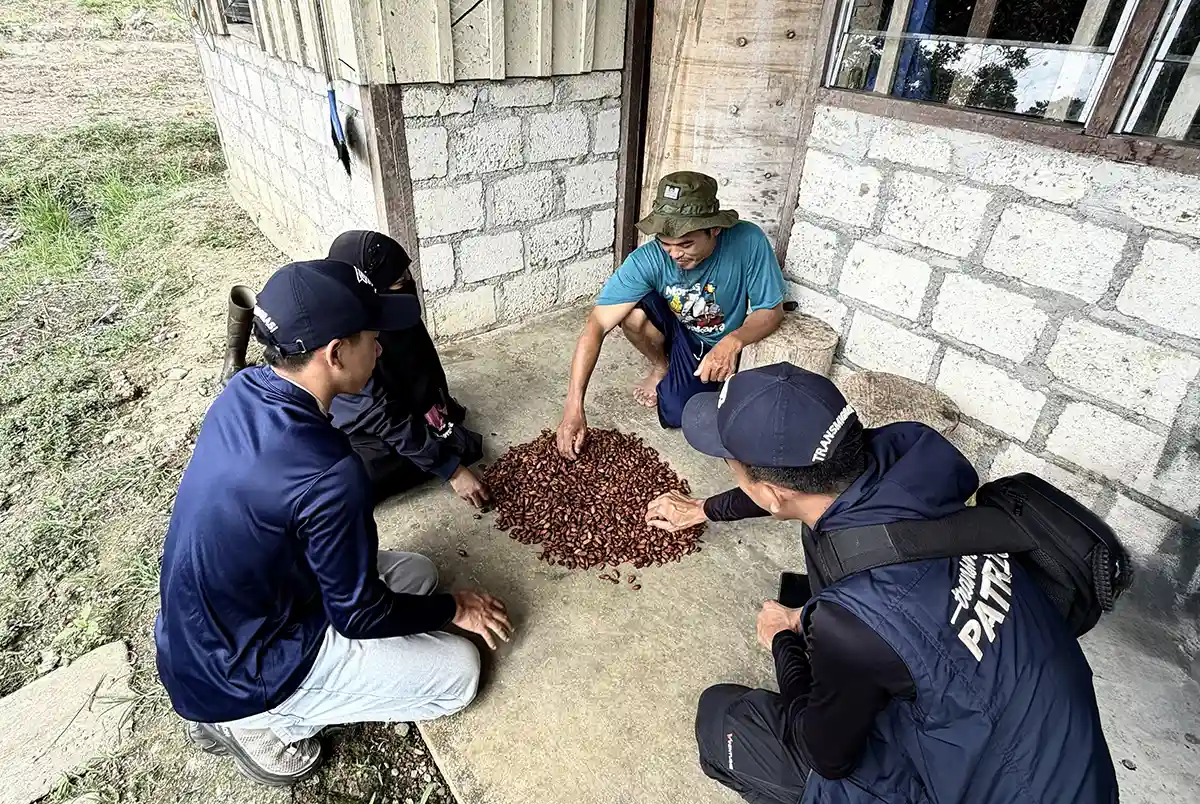
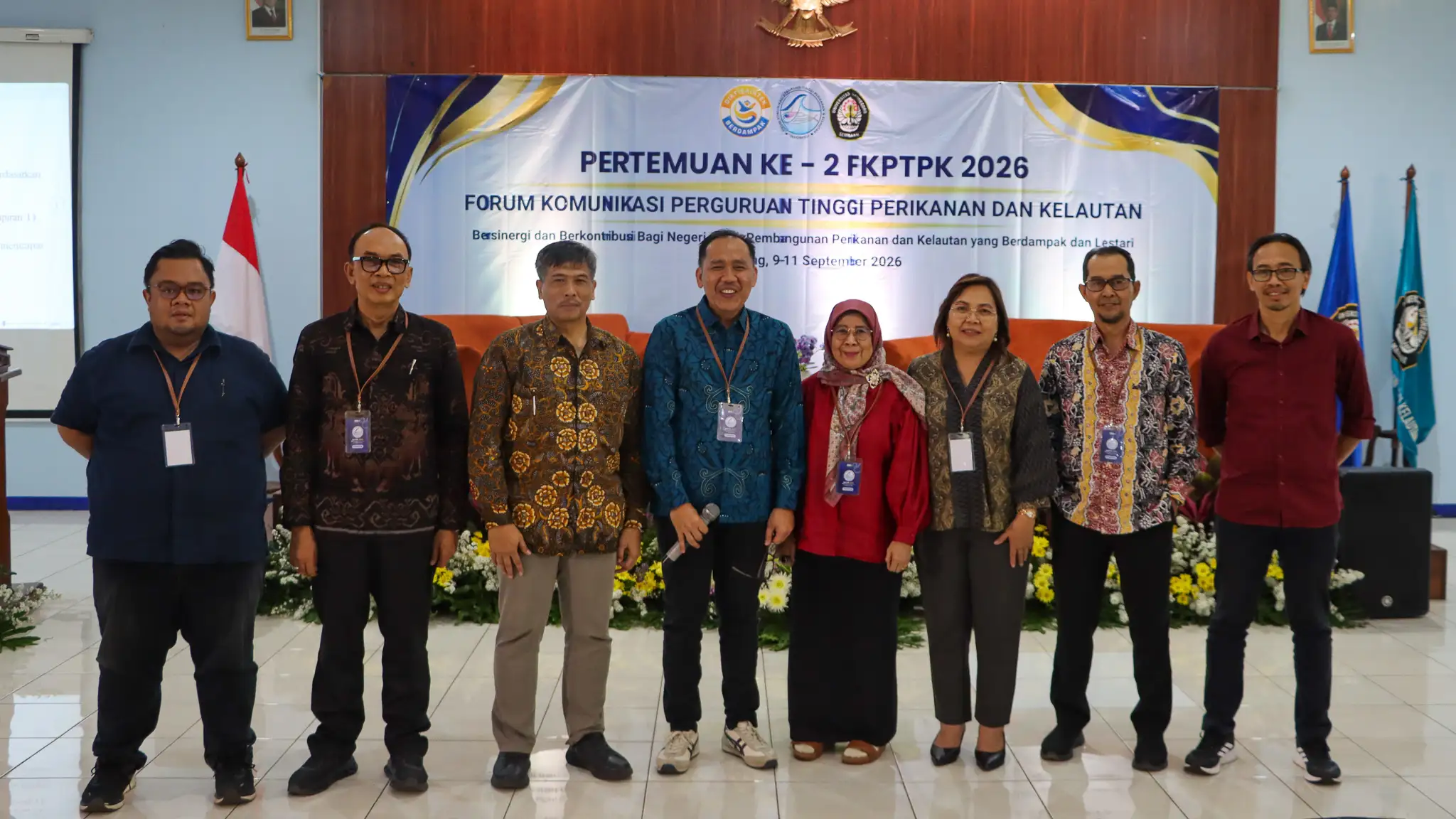
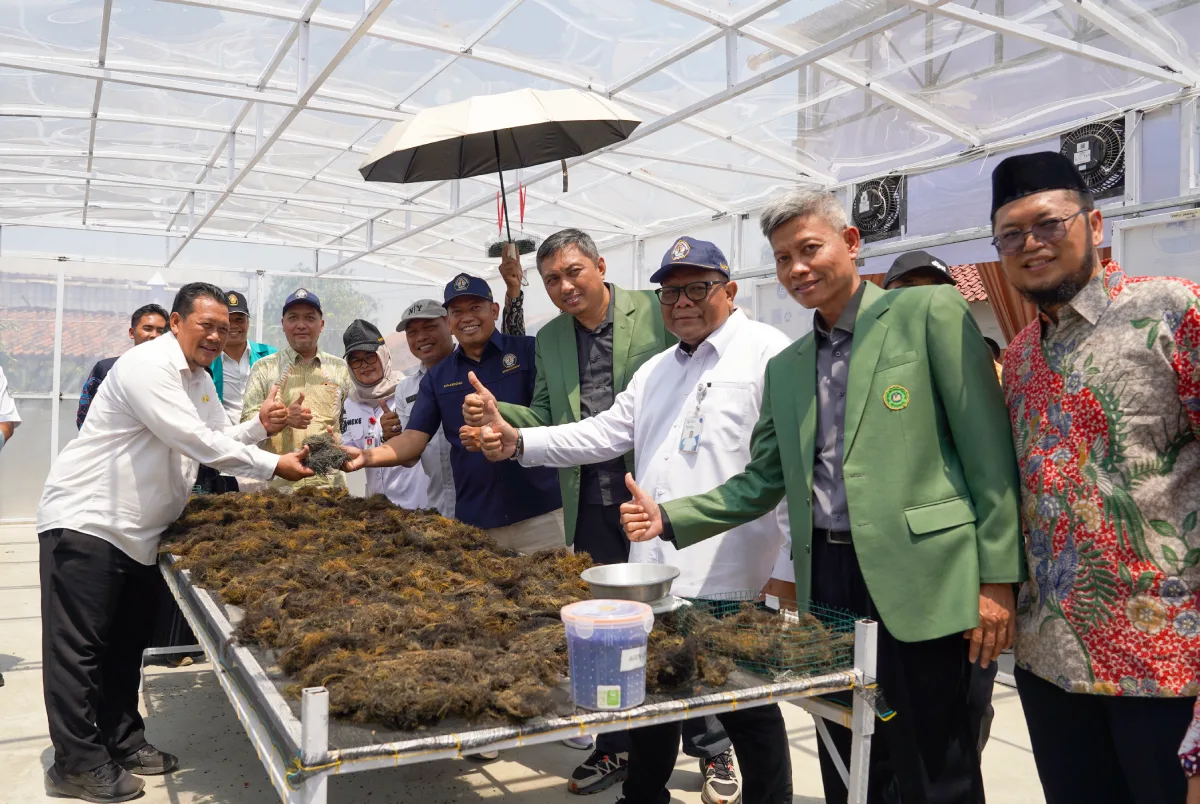
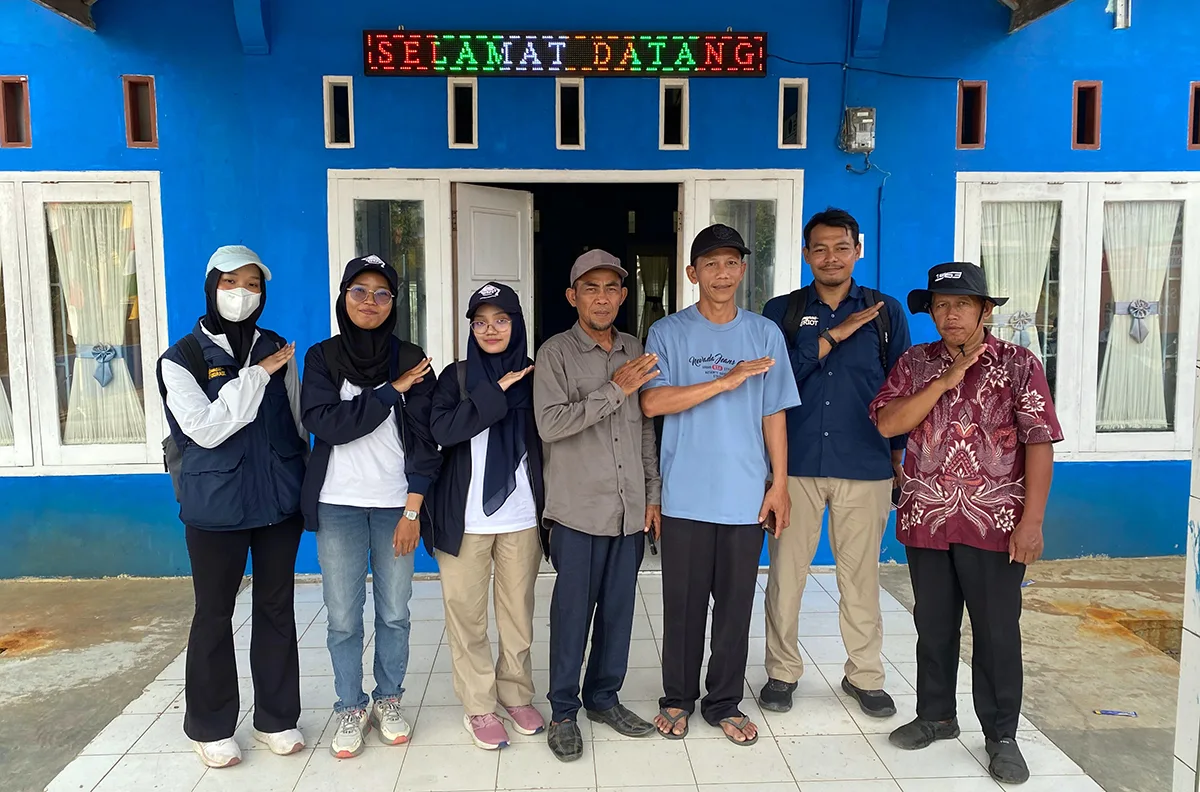
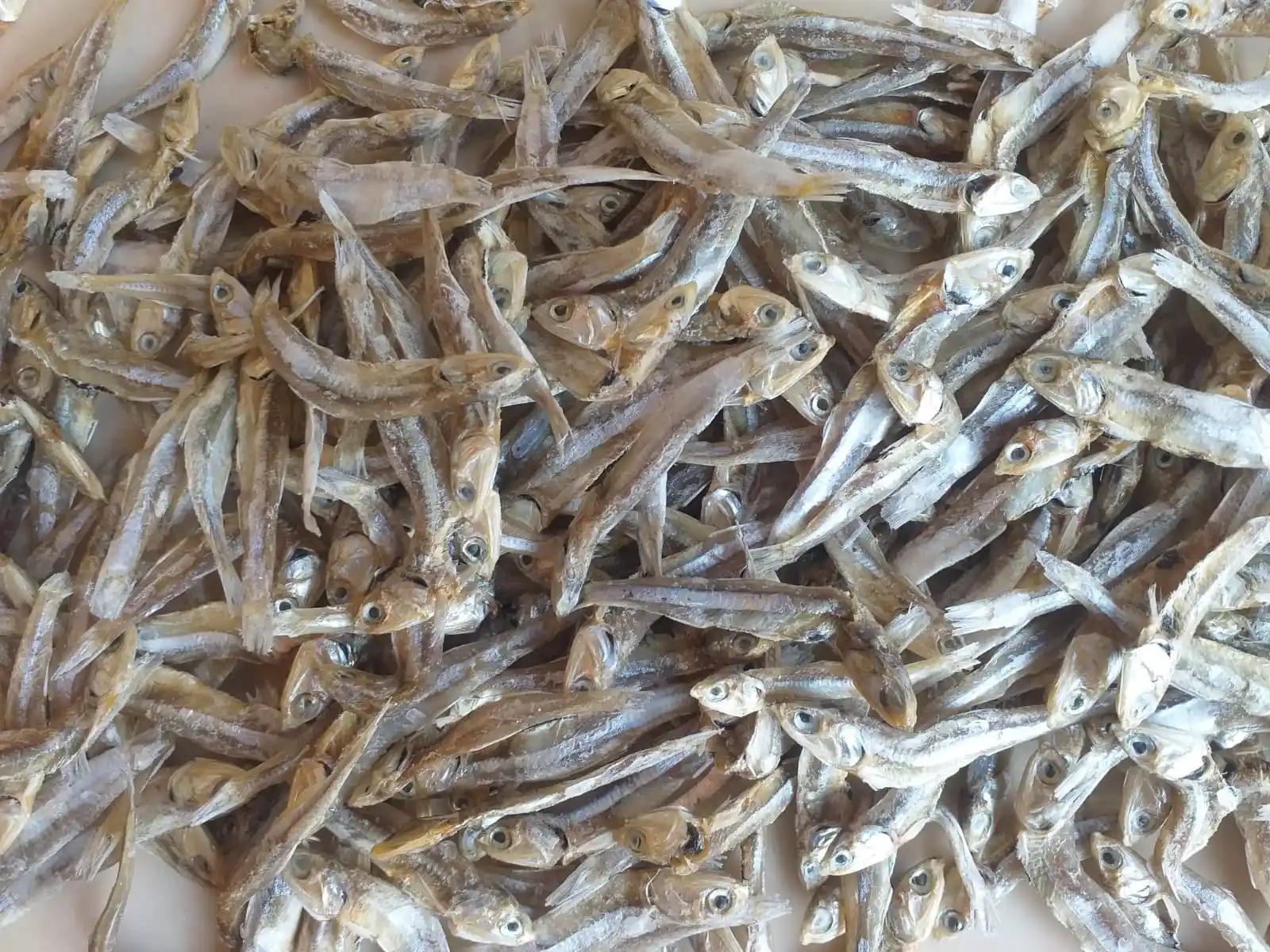
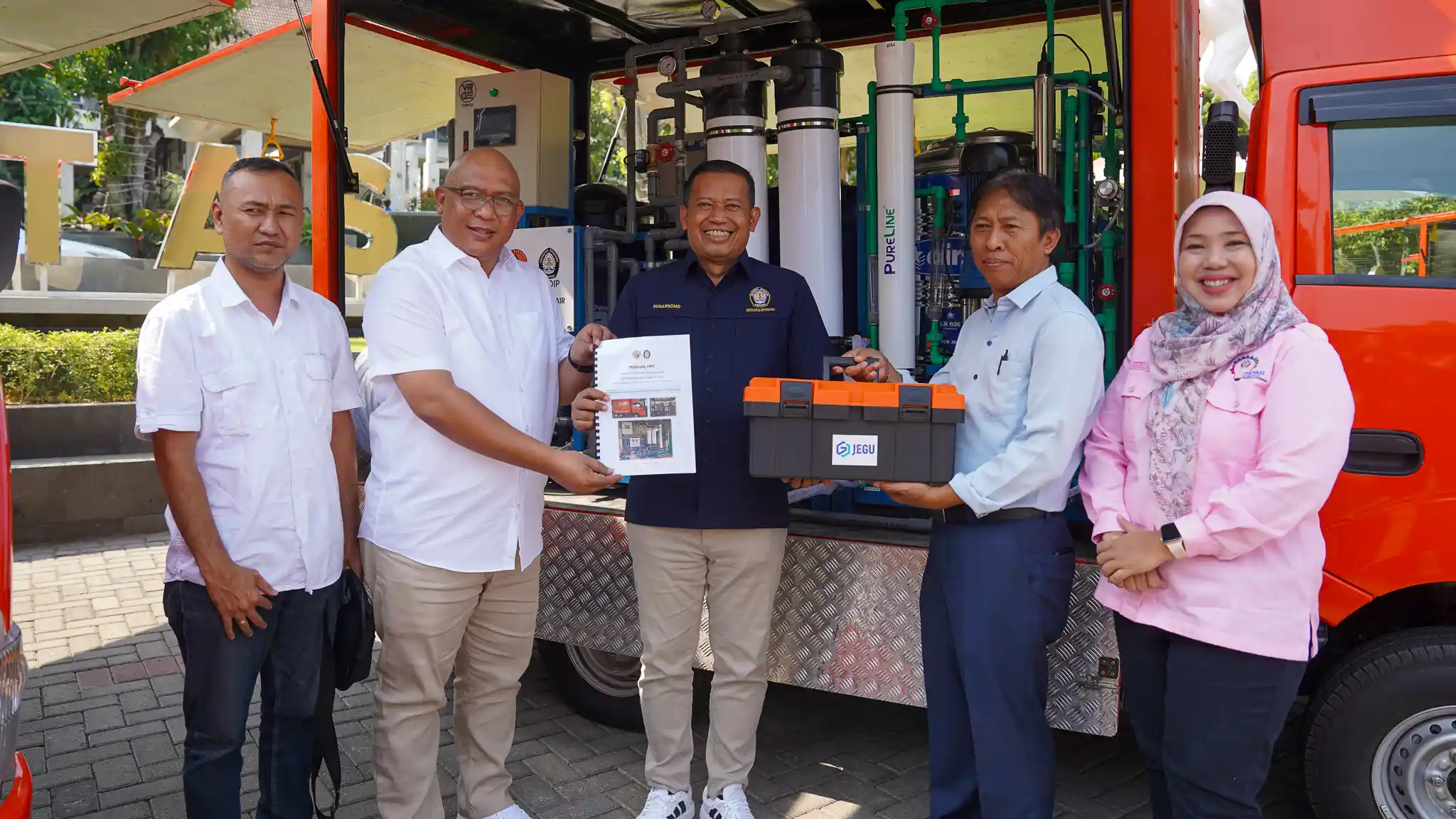
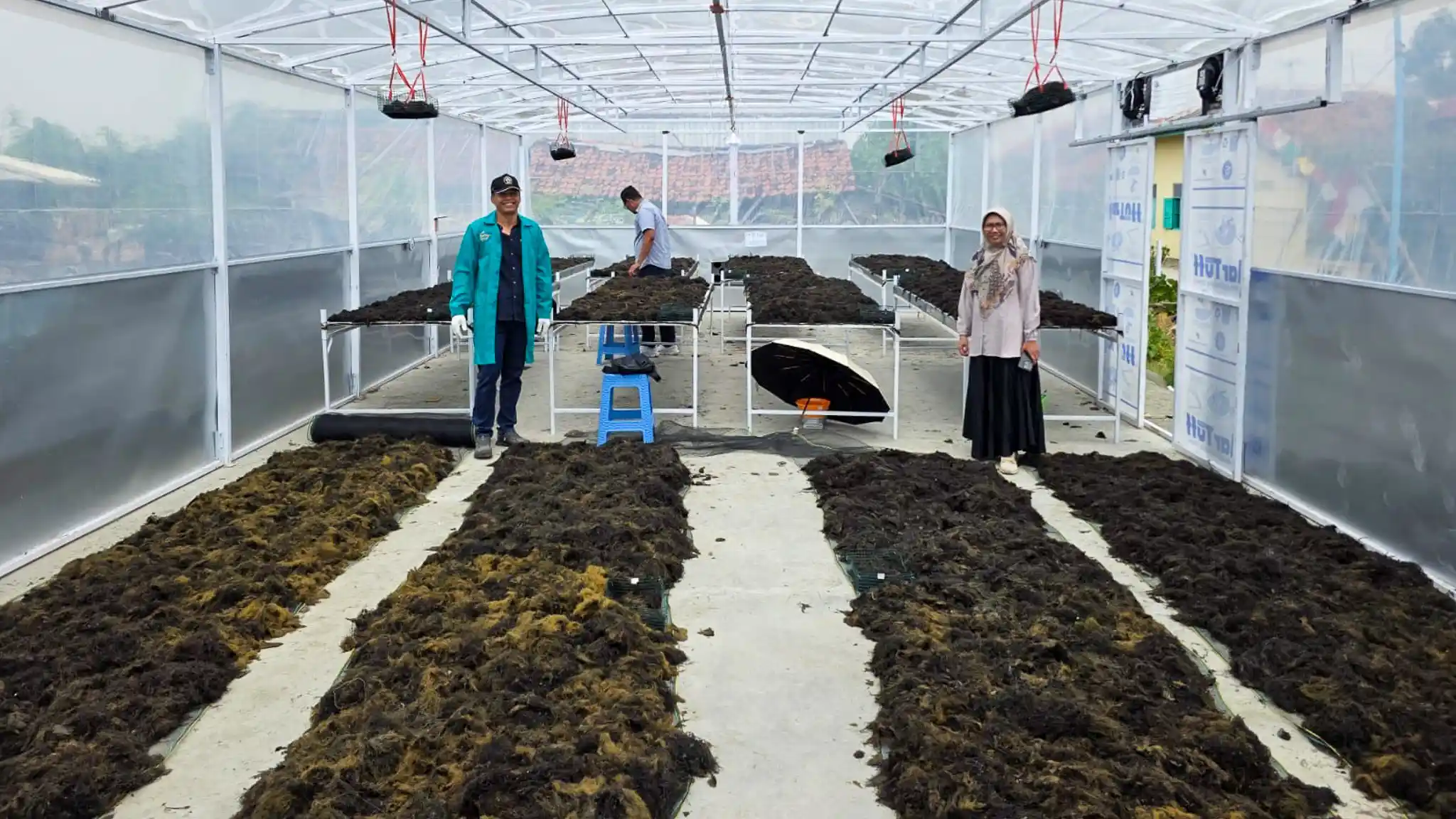
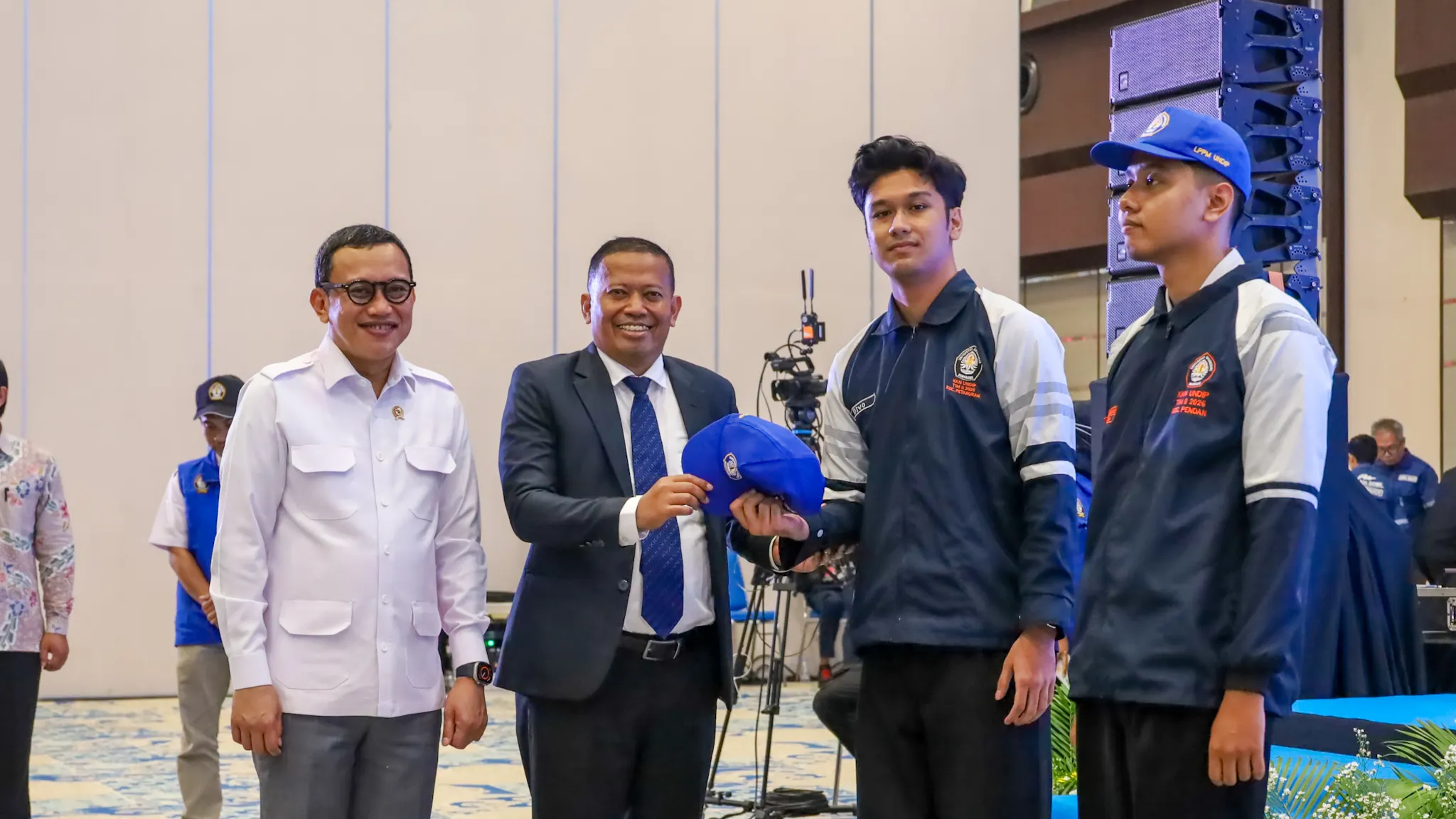
UNDIP, Semarang (21/8) – Thousands of Universitas Diponegoro (UNDIP) students returned to campus after contributing various innovations that have benefited local communities. The Exhibition held by UNDIP Community Service Program (Kuliah Kerja Nyata / KKN) students, held at the Muladi Dome UNDIP, featured a wide range of student initiatives that have made an impact on communities, from waste management innovations to coastal area management.
Through the KKN program, students contributed to strengthening food security, waste management, agriculture and livestock, healthcare, village tourism, support for MSMEs, literacy, coastal area management, disaster management, arts and local culture, strengthening Village-Owned Enterprises (BUMDes) and cooperatives, as well as providing assistance to disability groups and migrant workers.
Several teams also developed appropriate technologies, policy briefs, regional development blueprints, cooperation agreements, village profile videos, community service documentation, and publications through media outlets and community service journals. Their orientation went beyond the completion of the KKN program, providing a foundation for communities to continue the initiatives after the students returned to campus.
During the program, KKN students also collaborated with various partners, including the Central Java Provincial Government through the Office of Community and Village Empowerment (Dispermades), the Ministry of Public Works and Housing (PUPR), the National Library of Indonesia, the Food and Drug Authority (BPOM), the Semarang City Energy and Mineral Resources Office (ESDM), PT Patra Logistik, and PT Patra Niaga.
The exhibition featured ideas, innovations, appropriate technologies, business assistance initiatives, solutions, and policy recommendations developed by the students together with local communities during their KKN. The works were presented at the Welcoming Ceremony and Exhibition of Students of UNDIP KKN Team II, Academic Year 2025/2026, held on Friday, August 21, 2026, at the Muladi Dome UNDIP Multipurpose Building.
The event provided a platform to showcase the results of the students’ community service while creating opportunities for beneficial programs to continue, be further developed, and even be replicated in other areas.
UNDIP Rector Prof. Dr. Suharnomo, S.E., M.Si., warmly welcomed the students back to campus and expressed his pride in their achievements. He also extended his appreciation to local governments, partners, supervising lecturers, the Institute for Research and Community Service (LPPM), and all parties who supported the program.
He highlighted the many positive reports from communities that had experienced the students’ presence firsthand. For the Rector, one indicator of a successful KKN program is the close relationships that develop as students live and work alongside residents. Many students, he noted, were even sent off with emotional farewells when their community service period ended.
“Many programs ran smoothly and created a deep emotional and social impact on the communities. The presence of students in the villages they supported has proven capable of building strong social cohesion, to the point that they became deeply appreciated and loved by residents. Welcome back to UNDIP,” he said, expressing his appreciation for the students’ dedication in the field.
Prof. Suharnomo also encouraged the students to remain productive and make positive use of their time while awaiting graduation. “Do not easily get trapped in anxiety or simply follow trends because of the fear of missing out (FOMO). Complete your final projects, improve your foreign language skills, and continue preparing yourselves to become a highly competitive generation. The success of this KKN program proves that UNDIP students possess strong, high-quality capabilities,” said the Rector.
Meanwhile, Head of the Central Java Provincial Research and Innovation Agency (BRIDA), Drs. Mohamad Arief Irwanto, M.Si., representing Central Java Governor Komjen Pol. (Purn.) Drs. Ahmad Luthfi, S.H., S.St.M.K., expressed his appreciation for UNDIP students’ involvement with communities across various regencies and cities.
“Living alongside residents has created a learning process that cannot always be obtained in the classroom. Students’ ideas have also contributed to addressing concrete challenges, ranging from strengthening the local economy and food security to poverty alleviation, stunting prevention, environmental improvement, and enhancing the quality of human resources,” he said.
He emphasized that the showcase was important because it brought together good practices from the field with opportunities for program sustainability. The government has programs and resources; universities contribute knowledge, innovation, and human resources; while communities serve as the main actors of development. These three elements need to come together through tangible collaboration. Students’ direct interaction with communities, he added, is expected to foster social awareness while providing valuable experience as they enter the workforce and continue contributing to society.
Meanwhile, Chair of LPPM UNDIP, Prof. Dr.-Ing. Suherman, S.T., M.T., reported that KKN Team II was conducted from July to August 2026, involving a total of 9,030 students, comprising 4,414 Thematic KKN participants and 4,616 Regular KKN participants.
On the same occasion, Head of the Indonesian Quarantine Agency and Chairman of the Central Executive Board of the UNDIP Alumni Association (DPP IKA UNDIP), H. Abdul Kadir Karding, S.Pi., M.Si., delivered an inspiring public lecture. He recalled his own KKN experience in 1995 in a remote area of Blora. His experience serving communities amid limited village facilities opened his eyes to the realities of rural life. It shaped his leadership journey and eventually contributed to his development as a public figure.
Karding described villages as “laboratories of life” where students encounter real-world challenges, limited resources, diverse personalities, and the need to make tangible decisions. Therefore, he emphasized that communities should be positioned as partners rather than program beneficiaries. Students may bring knowledge from the university, but residents possess experience and local knowledge that are equally important in developing appropriate solutions.
Karding emphasized that meaningful impact does not require holding a major position. Teaching children, helping MSMEs gain access to financing, assisting community groups, or solving small problems in a village can already constitute meaningful contributions when the community genuinely feels the benefits. He encouraged students to carry three habits with them after completing KKN: the ability to see problems clearly, a strong sense of social concern, and the courage to take action.
Amid the growing accessibility of technology, the internet, big data, and artificial intelligence, he also underscored the importance of integrity, honesty, empathy, and social responsibility—values that technology cannot replace. Indonesia’s enormous potential, including in food, marine resources, and biodiversity, requires a younger generation that goes beyond academic achievement and is willing to apply its knowledge for the benefit of society.
Appreciation for the students’ community service efforts was also expressed through a series of awards announced by the Head of the UNDIP Center for Community Service Program Services (P2KKN), Adnan Fauzi, S.T., M.Kom. The Fastest and Most Complete KKN LPK Submission award was presented to the IDBU 48 Thematic KKN Team; the Best KKN Program award went to the Tangkisan Village KKN Team, Bayan District, Purworejo Regency; the Most Cohesive Lecturer Team award was presented to the Tirtomoyo District Lecturer Team; while the Waruasem District KKN Team won the Best Exhibition Booth award.
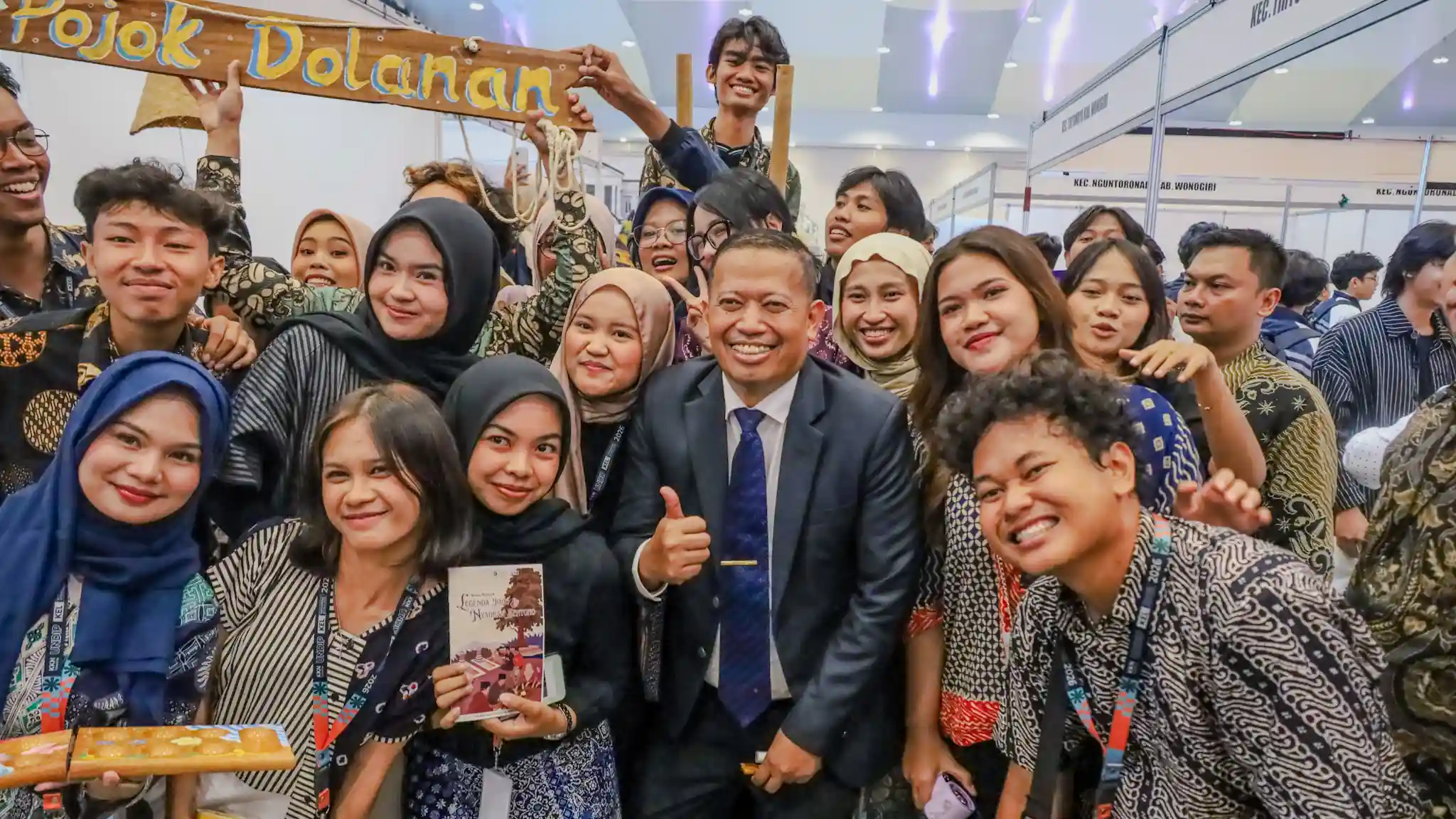
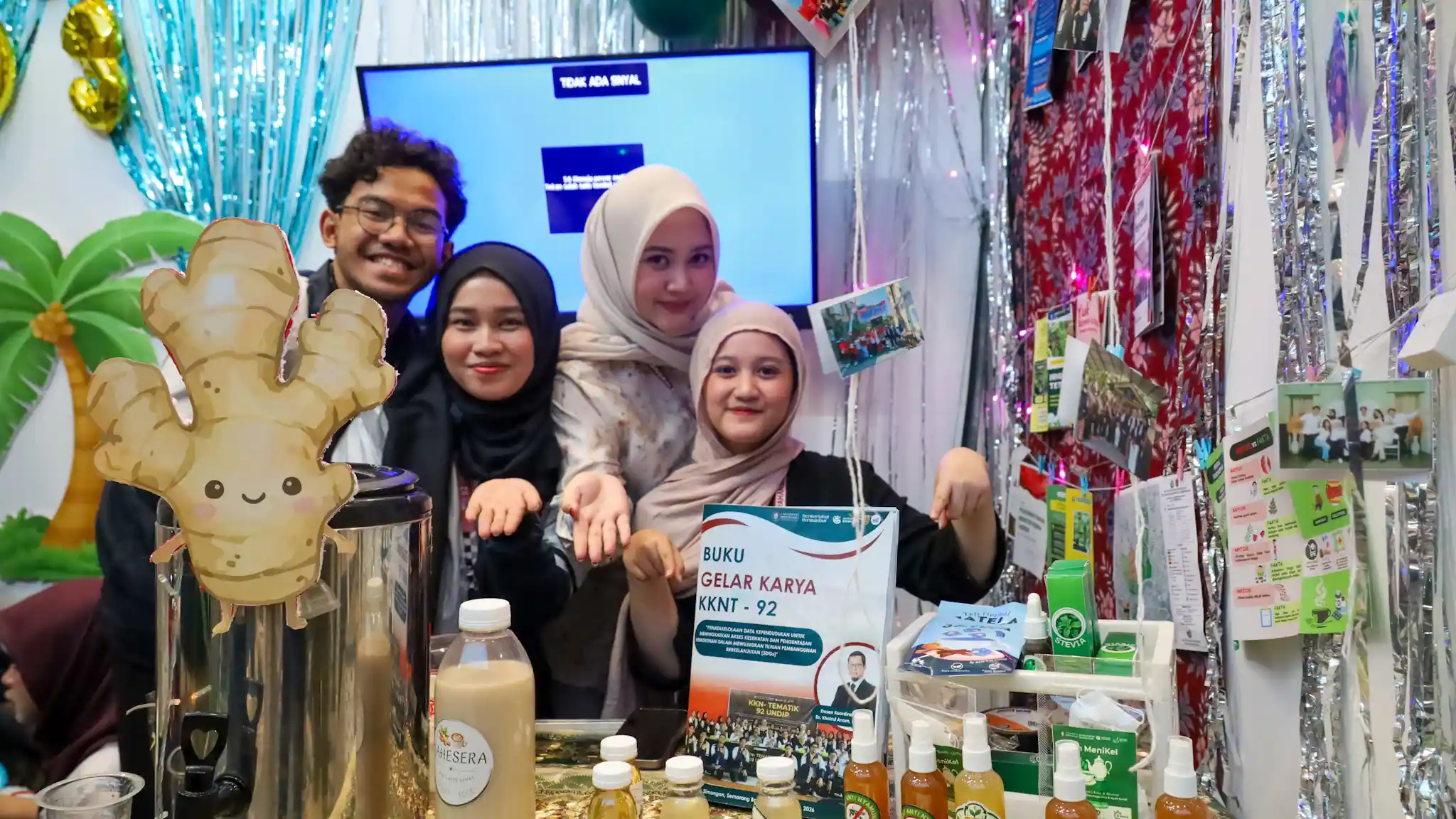
The series of activities concluded with UNDIP Rector’s visit to the exhibition booths in the Gelar Karya area on the left side of the Muladi Dome ballroom. There, students showcased the outcomes of their community assistance programs from various regions, ranging from community-produced goods and appropriate technologies to program documentation. The exhibits served as a reminder that KKN does not end when students leave the villages, but when the knowledge and initiatives they leave behind continue to grow and provide benefits. (Public Communication/UNDIP/DHW)