UNDIP, Senggi, Keerom Regency (25/9) – The significant potential of the Senggi Transmigration Area in Keerom Regency, Papua, particularly in the cattle farming sector at Settlement Unit 2 (SP 2), continues to face challenges caused by inbreeding due to limited genetic circulation among livestock in the area.
In response to this challenge, Team 3 of the Universitas Diponegoro Patriot Expedition Team (TEP UNDIP), led by Ir. Daud Samsudewa, S.Pt., M.Si., Ph.D., IPM., formulated a long-term solution through genetic improvement using artificial insemination (AI) and better livestock management through a communal housing system based on a ‘mini ranch’ concept. The initiative aims to transform the self-reliant settlement area into a well-managed cattle breeding center in Keerom Regency.
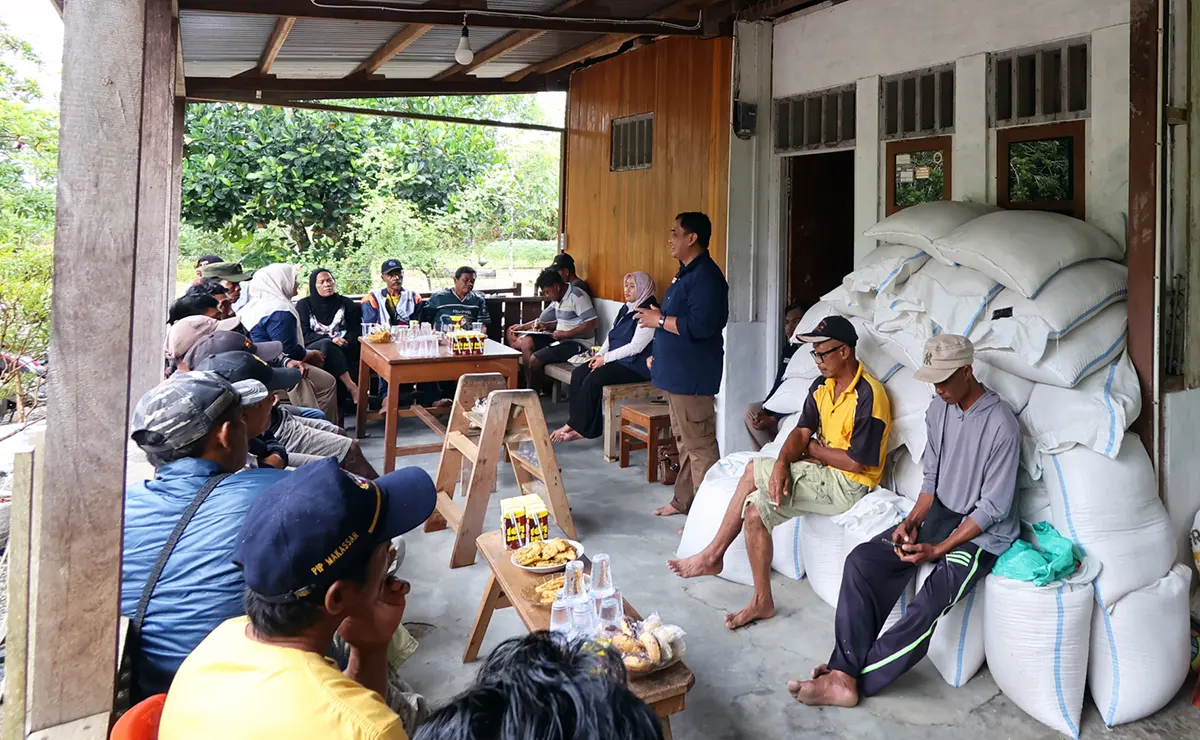
The initial stage of the collaboration was carried out through a livestock cluster Focus Group Discussion (FGD) on Saturday (29/8), which brought together more than 30 cattle farmers from SP 2 Senggi and Agricultural Extension Officers (PPL). Based on surveys and in-depth discussions, Team 3 and residents identified several challenges in the field, including relatively small livestock size, slow growth, declining performance due to inbreeding, and the need to improve forage quality for livestock.
From the forum, five pioneer farmers emerged—Hariyanto, Ikhsanudin, Hatta, Bambang, and Bayu—who were designated as local champions and key drivers of a group named PATRIOT PERINTIS (Peternak Indonesia Timur Senggi). The group is expected to ensure the sustainability of the livestock subsector even after the team’s assignment period ends. “We all stand to benefit. These five people will serve as the starting point for learning and growing together, both in knowledge and livestock technology. Let us work together,” said Hariyanto, a farmer appointed as coordinator of the MCM Kotop Satu Hati Livestock Subsector, “PATRIOT PERINTIS.”
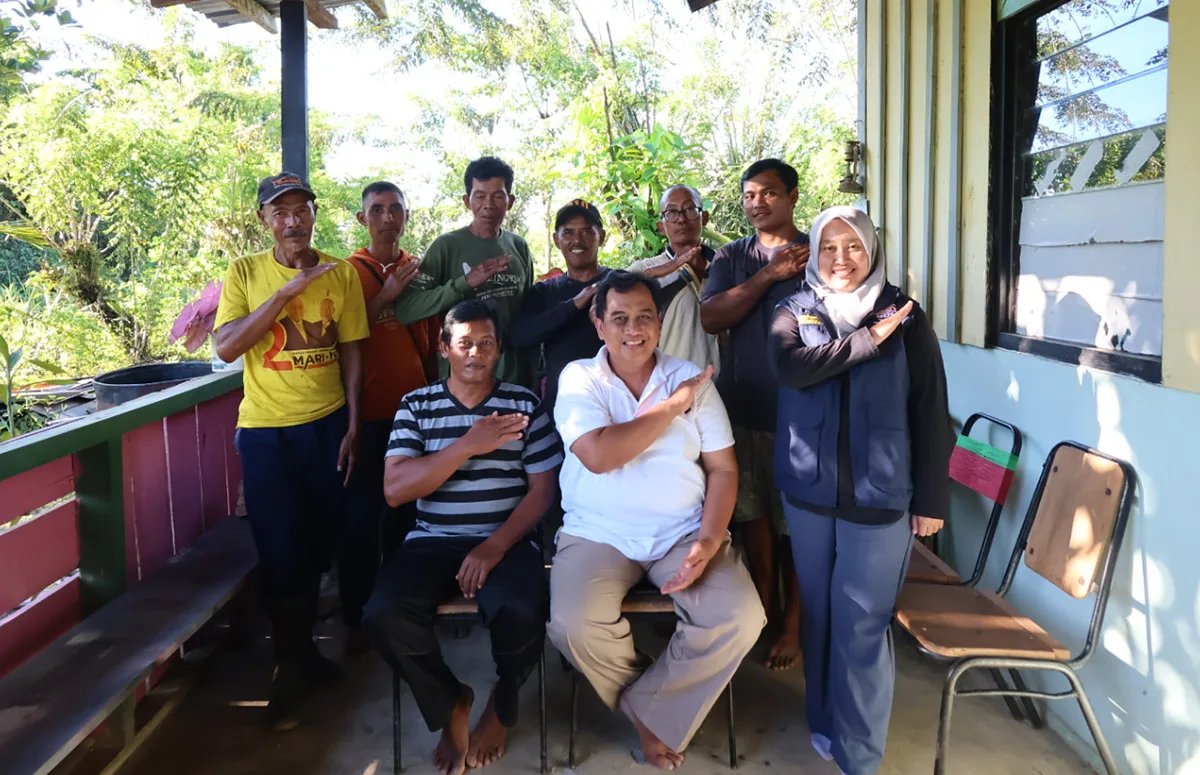
The successful formation of this pioneer group was closely linked to the active participation of residents, a fact already evident from the early stages. “We saw that several farmers had a strong desire to progress and were willing to take an active role since our initial survey. We then encouraged them to become local champions, not only to carry out the program but also to inspire and mobilize other farmers,” added Slyses Merryl, a member of TEP UNDIP Team 3.
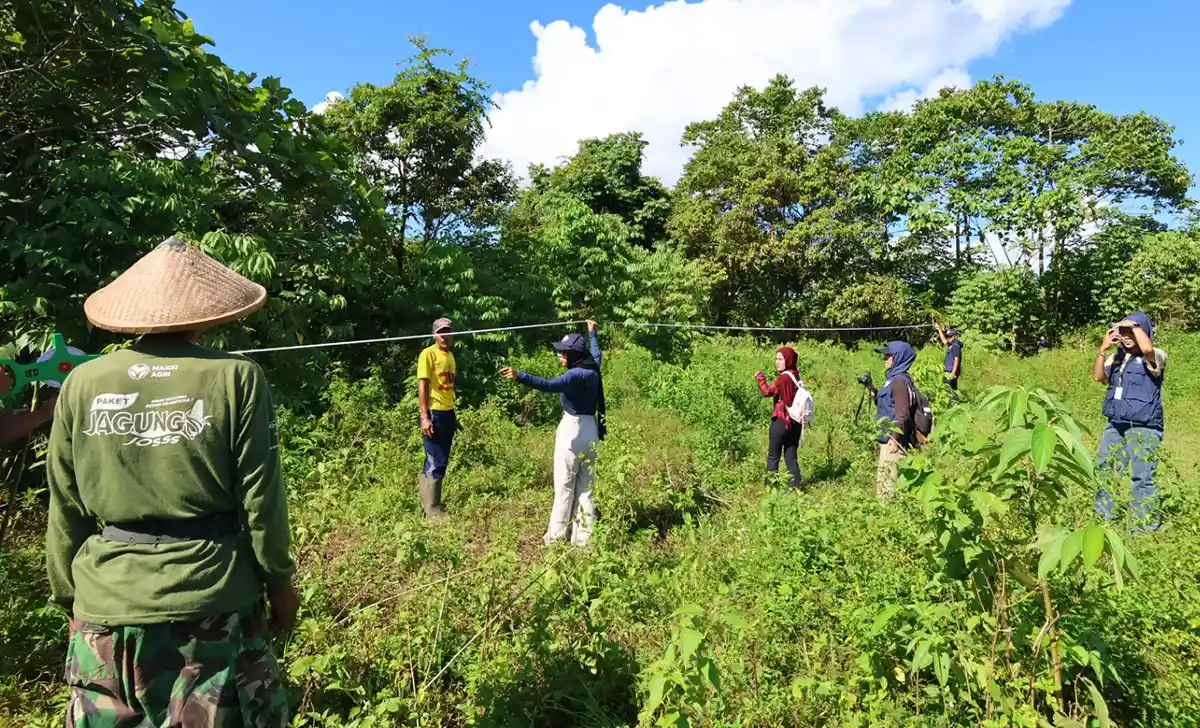
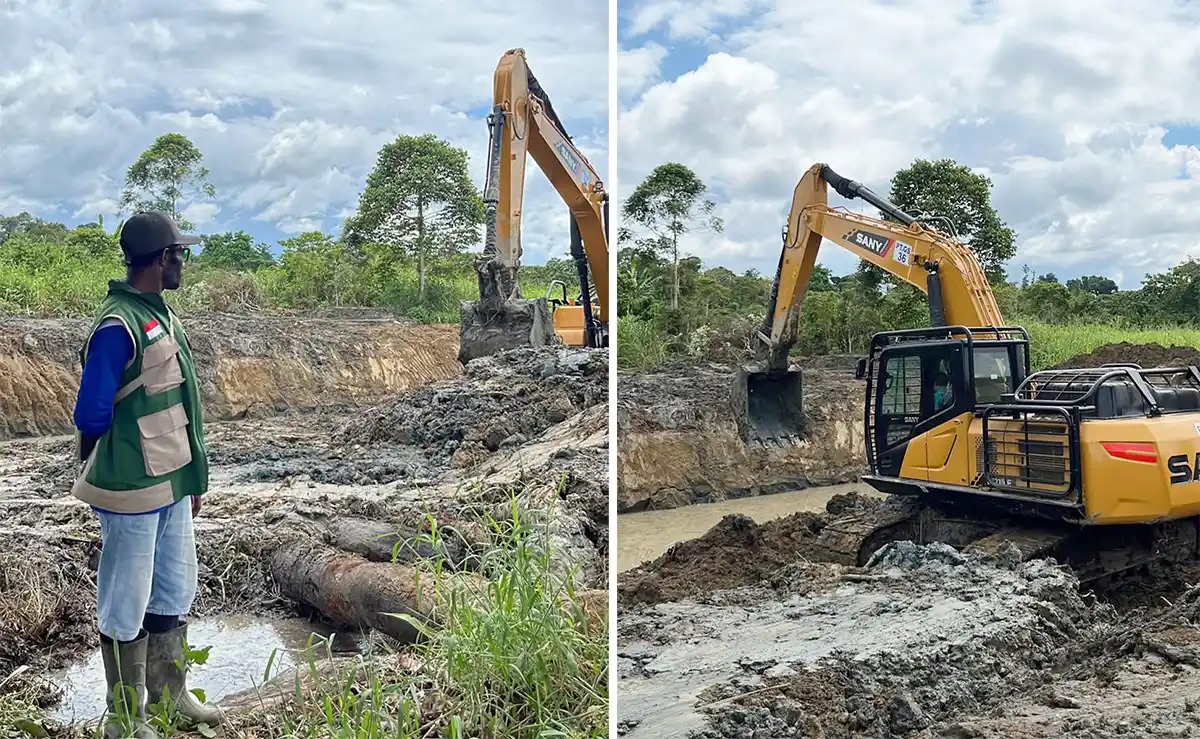
Further consolidation on Sunday (30/8) formally established the SP 2 livestock subsector, including the selection of the demonstration plot location, inventory of facilities and infrastructure, and the development of a member contribution scheme. A multidisciplinary TEP UNDIP team working in livestock management, housing design, compost facilities, and biochar went directly to the field to measure the demonstration plot area. The demonstration plot is designed as the foundation for a communal livestock facility based on the Low External Input Sustainable Agriculture (LEISA) approach, integrating livestock raising, forage cultivation, waste processing into compost, and the utilization of biochar.
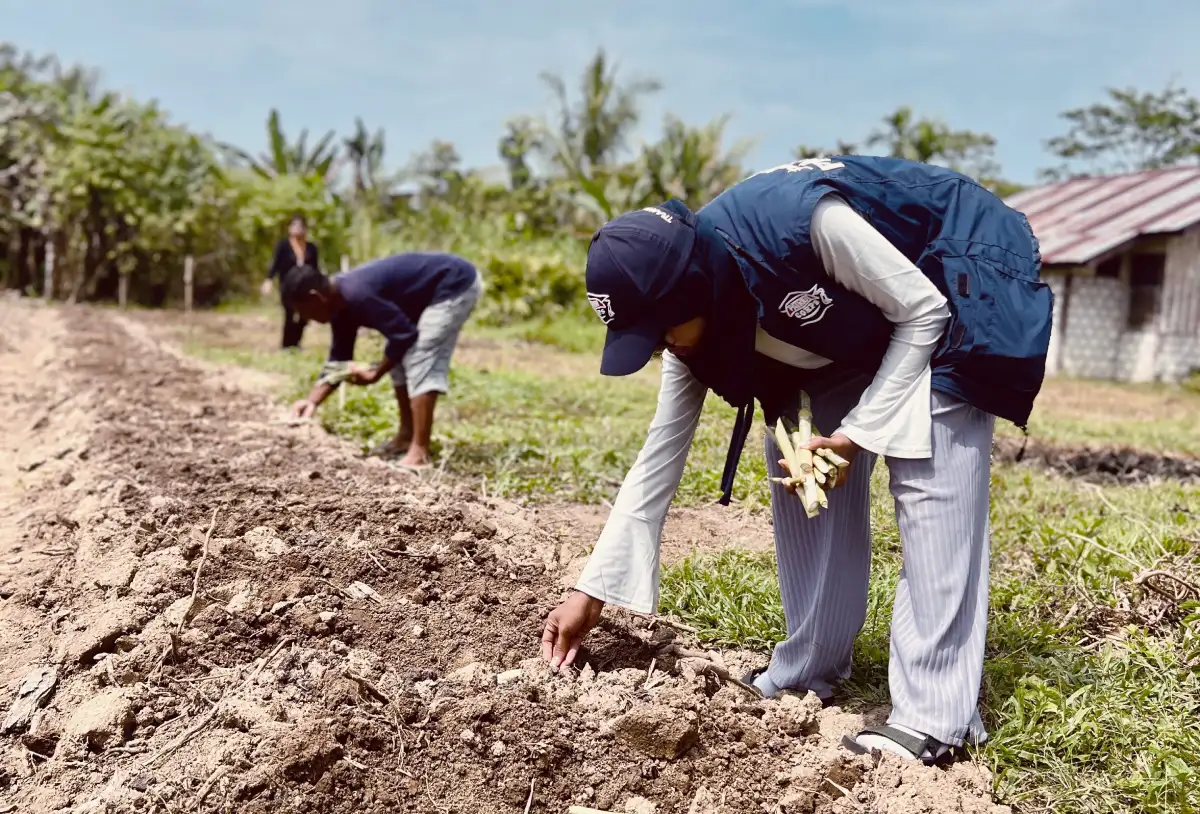
As part of the operational agenda for the next two weeks, activities will focus on clearing the demonstration plot and preparing livestock forage cultivation, based on laboratory test results from local forage samples collected from grazing areas in Senggi. The communal livestock facility in SP 2 is projected to serve as a pilot project before being replicated in other locations across the Senggi Transmigration Area.
The success of this initiative will not be measured merely by the physical establishment of the communal facility, but by the local champions’ ability to independently manage, develop, and advance the livestock subsector. The five farmers—Hariyanto, Ikhsanudin, Hatta, Bambang, and Bayu—represent the first step toward realizing this vision.
From SP 2, this small initiative is expected to serve as a foundation for building a more structured, sustainable, and integrated livestock ecosystem, while paving the way toward the aspiration of making Senggi one of the cattle-breeding centers in Keerom Regency.
“We hope that Senggi can develop into one of the cattle breeding centers in Keerom Regency. To achieve this, we need farmers who are willing to become pioneers, drivers, and extraordinary changemakers. This is the spirit we bring through PATRIOT. These five farmers are the first step in encouraging more farmers to progress together,” said Daud Samsudewa, Head of TEP UNDIP Team 3.
Through the collective spirit of PATRIOT PERINTIS, the initiative also contributes to the achievement of the Sustainable Development Goals (SDGs), particularly SDG 1 (No Poverty) through strengthening the local economy, SDG 2 (Zero Hunger) through improved livestock productivity, and SDG 17 (Partnerships for the Goals) through cross-sector collaboration among universities, agricultural extension officers, and local communities. (Public Communication/UNDIP)