



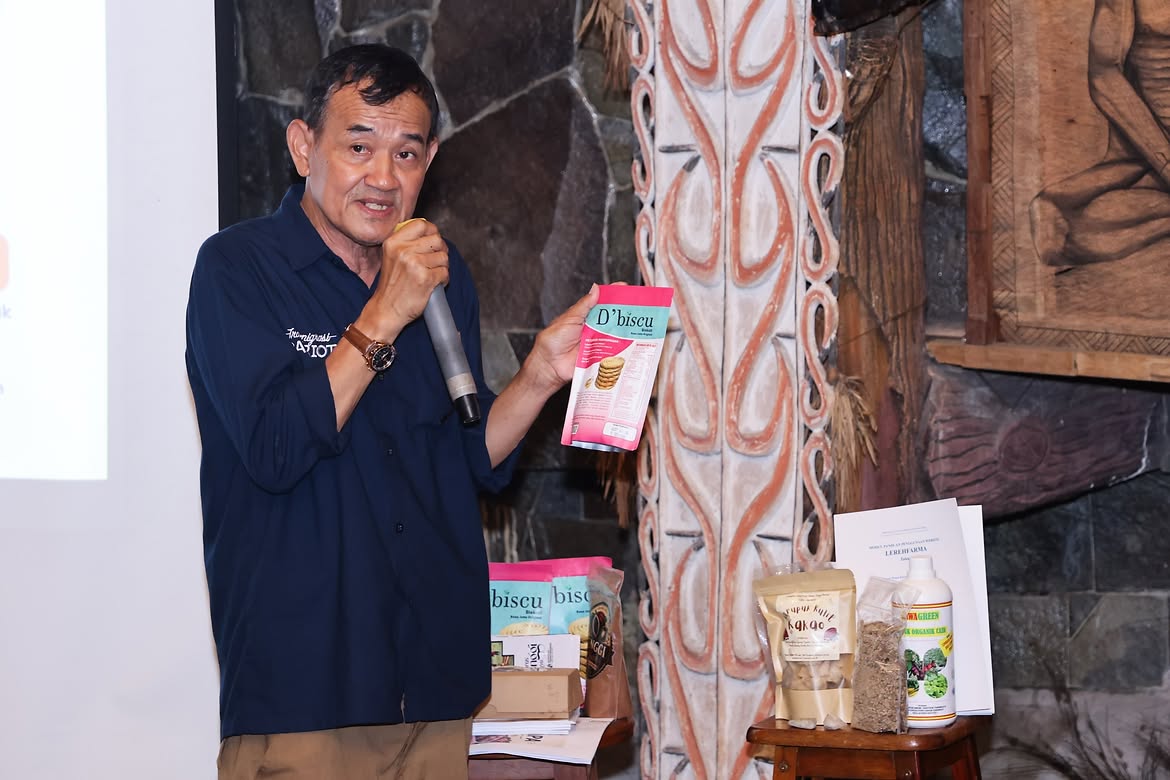
UNDIP, Jayapura (19/9) – During a presentation and discussion of field findings with Minister of Transmigration Muhammad Iftitah Sulaiman Suryanagara and Coordinating Minister for Infrastructure and Regional Development Agus Harimurti Yudhoyono (AHY) on Thursday (17/9) in Jayapura, the Universitas Diponegoro (UNDIP) Patriot Expedition Team (TEP) presented the results of its month-long work in the Senggi Transmigration Area, Keerom Regency, Papua. The presentation, entitled “Notes from the UNDIP Patriot Journey,” was delivered by Prof. Didik Wisnu Widjajanto, followed by field stories from three TEP UNDIP representatives.
Prof. Didik explained that TEP UNDIP in Senggi comprises 100 students, divided into 20 teams, with 17 teams stationed in Woslay and 3 in Yaffi. This year’s activities build on the findings of TEP 2025, which identified underdeveloped infrastructure and basic services, limited farmer capacity, and weak local institutions. Low agricultural returns have even encouraged some residents to shift to the mining sector. Based on these findings, TEP UNDIP formulated five key outputs: physical facilities, digital systems, institutional development, educational modules, and a policy roadmap.
After one month of implementation, several programs have already been carried out. In agriculture, the team established the Lumbung Patriot Dipo rice demonstration plot using the Mentik Susu Wangi rice variety. It dredged the Embung Patriot reservoir to provide irrigation for Senggi farmers. The team also developed Biochar Patriot Corn, a corn and horticultural demonstration plot that uses natural charcoal derived from agricultural waste and is irrigated with sprinklers. In the livestock sector, the Mini Ranch Patriot Perintis program has progressed from initial surveys and focus group discussions with livestock farmers to the construction of communal cattle housing.
In the health and nutrition sector, the Patriot Educare program provides educational modules and booklets for community health cadres, adolescents, and teachers, including the ‘Sagu Sapa’ recipe module, which transforms local ingredients into healthy snacks. Through ‘D’biscu’, the team is implementing a 10-week healthy biscuit intervention for at least 30 women of reproductive age. The team also launched the ‘Sehati Keerom’ application, a health education platform that can be used offline by community health cadres and residents in areas with limited internet access. In addition, the team is developing drinking water and sanitation systems while introducing disaster risk literacy to local communities.
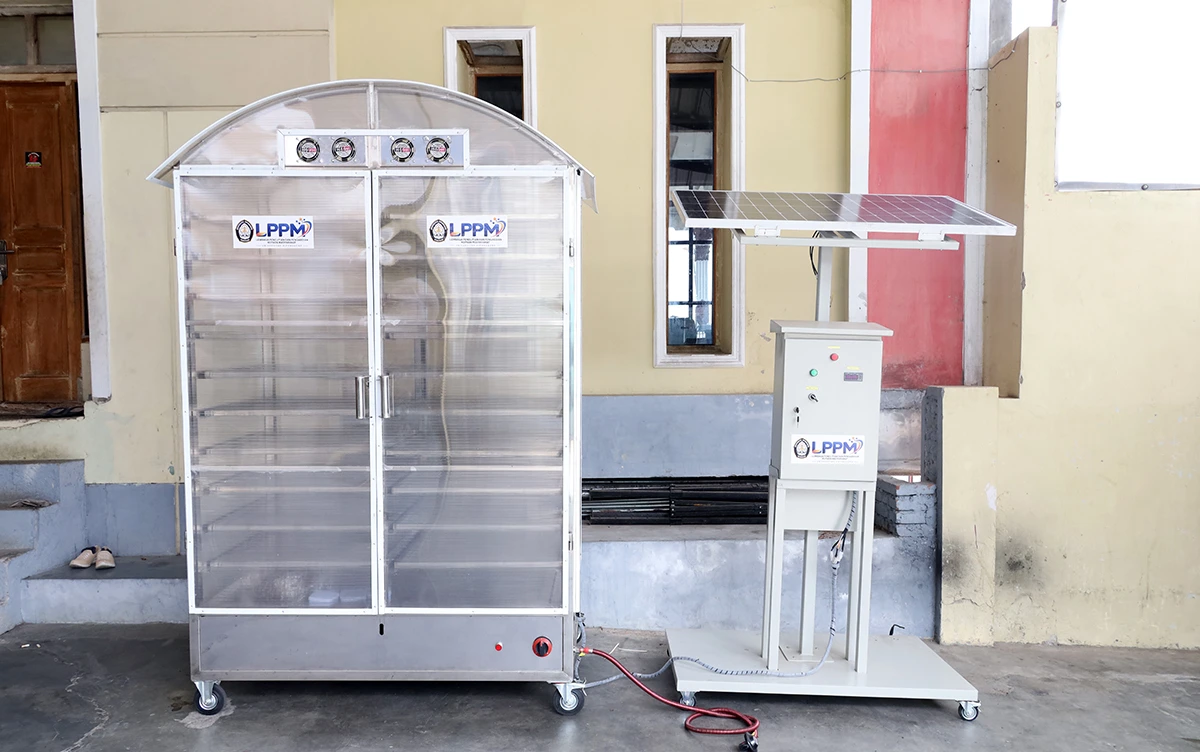
These achievements align with the messages conveyed during the discussion. Minister Iftitah emphasized the importance of downstream processing that provides tangible benefits to communities. In Senggi, locally grown cocoa is now being processed into cocoa powder under the ‘Senggi Choco’ brand using a ‘solar dryer dome’ and fermentation boxes made from local wood. Taher, a cocoa farmer from Route 6, SP 2, said that the Patriot program had restored farmers’ hope and enthusiasm. According to him, the cocoa powder had become the “first lantern” for farmers in Senggi. Meanwhile, Coordinating Minister AHY emphasized that connectivity has become a basic necessity in remote areas; the Sehati Keerom application has therefore been designed to remain accessible even without an internet connection.
During the short storytelling session, three TEP UNDIP representatives presented field challenges and the solutions being developed to address them. Dania Putri from the Ministry of Transmigration Team 14 (UNDIP Team 16) explained the development of a WebGIS-based Land Administration System in collaboration with the Keerom Regency Government and the ATR/BPN Land Office. “We found issues such as discrepancies between land ownership and land control, as well as Certificates of Ownership (SHM) that still cannot be used as collateral for bank loans,” said Dania. To address these challenges, the team is documenting land tenure, land use, and land value for individual land parcels through participatory mapping. The process involves not only adults but also children through the ‘Patriot Cilik’ program.
Yager Sahaduta explained the team’s efforts to revitalize cocoa plantations, which face multiple challenges, including uneven water distribution and pests that have developed resistance to chemical treatments. The team is promoting the provision of superior disease-resistant clone seedlings through a local nursery in collaboration with the Agriculture Agency, while also constructing ‘fermentation boxes’ and a ‘solar dryer dome’ to improve bean quality. “We from the Patriot Team will provide intensive assistance to farmers in implementing GAP, particularly in terms of plantation sanitation and regular pruning,” said Yager. The team is also establishing communication with collectors in Arso and Jayapura to connect farmers directly with buyers, in line with Coordinating Minister AHY’s vision of linking transmigration areas to industries that can serve as offtakers.
Meanwhile, Slyses Merryl highlighted Senggi’s potential as a source of cattle stock, with a population of approximately 1,323 cattle and the potential to supply at least 70 head per month. “Senggi has tremendous potential to develop as a source of cattle breeding stock to meet demand across the province and even throughout Papua,” said Slyses.
One of the main challenges is the price of liquid nitrogen used for artificial insemination (AI) in Jayapura, which reaches Rp300,000 per liter, approximately 18 times higher than the price in Java. “We hope the government or relevant stakeholders can attract investors to establish liquid nitrogen production in Papua, preferably in Jayapura, to support artificial insemination needs,” Slyses said.
In collaboration with the Agriculture Agencies of Keerom Regency and Papua Province, which will provide inseminators as well as support in the form of vitamins, estrus synchronization hormones, liquid nitrogen, and frozen Bali cattle semen, TEP UNDIP is planning an Artificial Insemination Week in Senggi between the second and fourth weeks of October 2026 to assist the Patriot Perintis (Peternak Indonesia Timur Senggi) group.
For TEP UNDIP, this series of programs represents a response to the shift in perspective emphasized by Coordinating Minister AHY: transmigration areas are not merely about relocating people but about ensuring that communities can live peacefully, safely, comfortably, and prosperously by providing access to employment and economic opportunities. From land management, agriculture, livestock, and health to digital systems, the UNDIP Patriots are working to ensure that the Senggi community’s potential can grow into a stronger local economy, in line with the “think big” spirit emphasized during the discussion. (Public Communication/UNDIP)
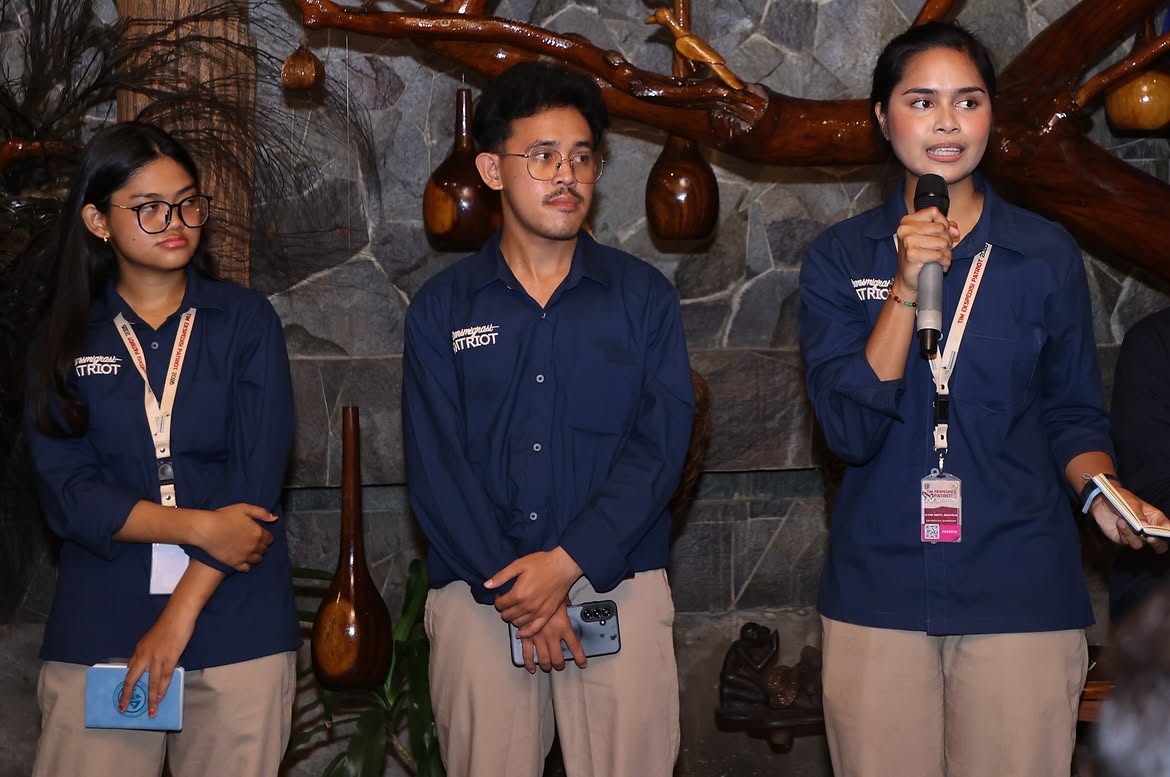
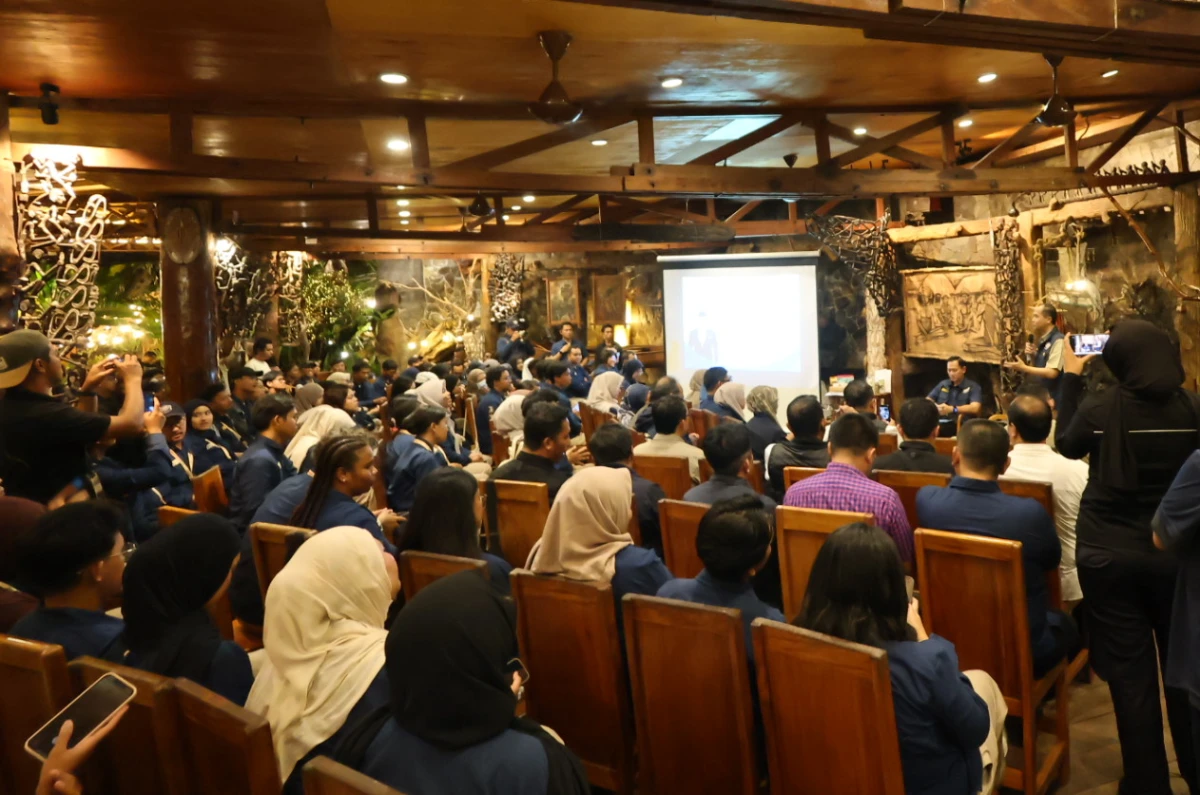
Photo credit: UNDIP Patriot Expedition Team & Instagram @agusyudhoyono