

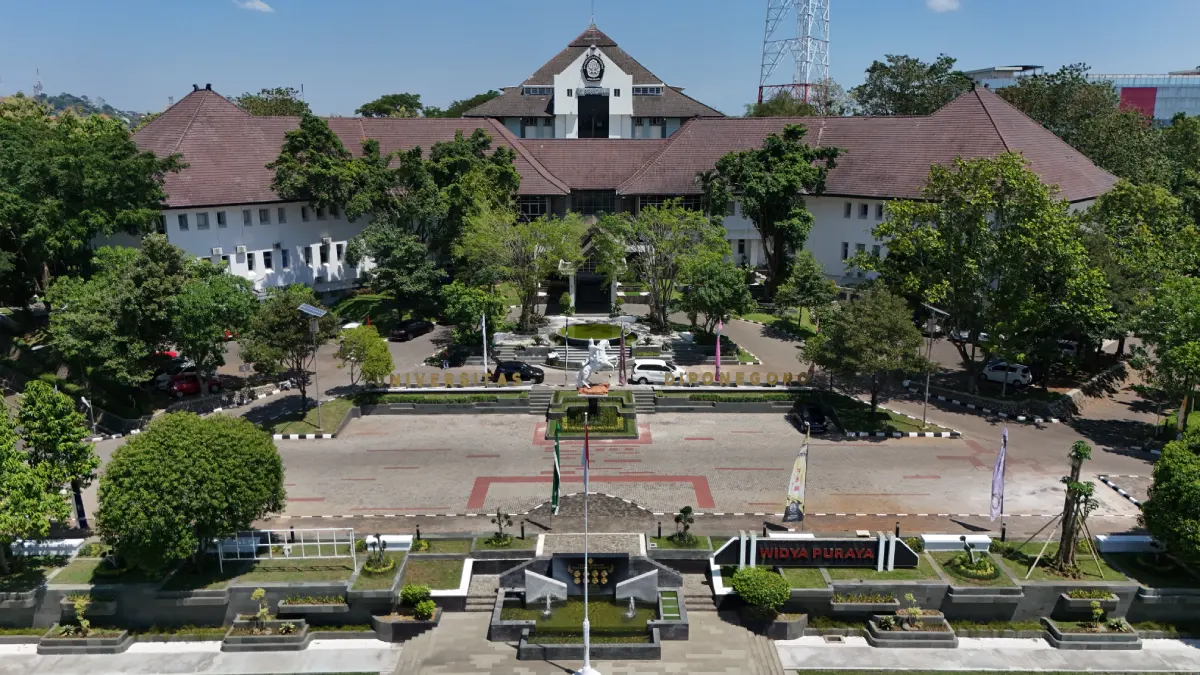


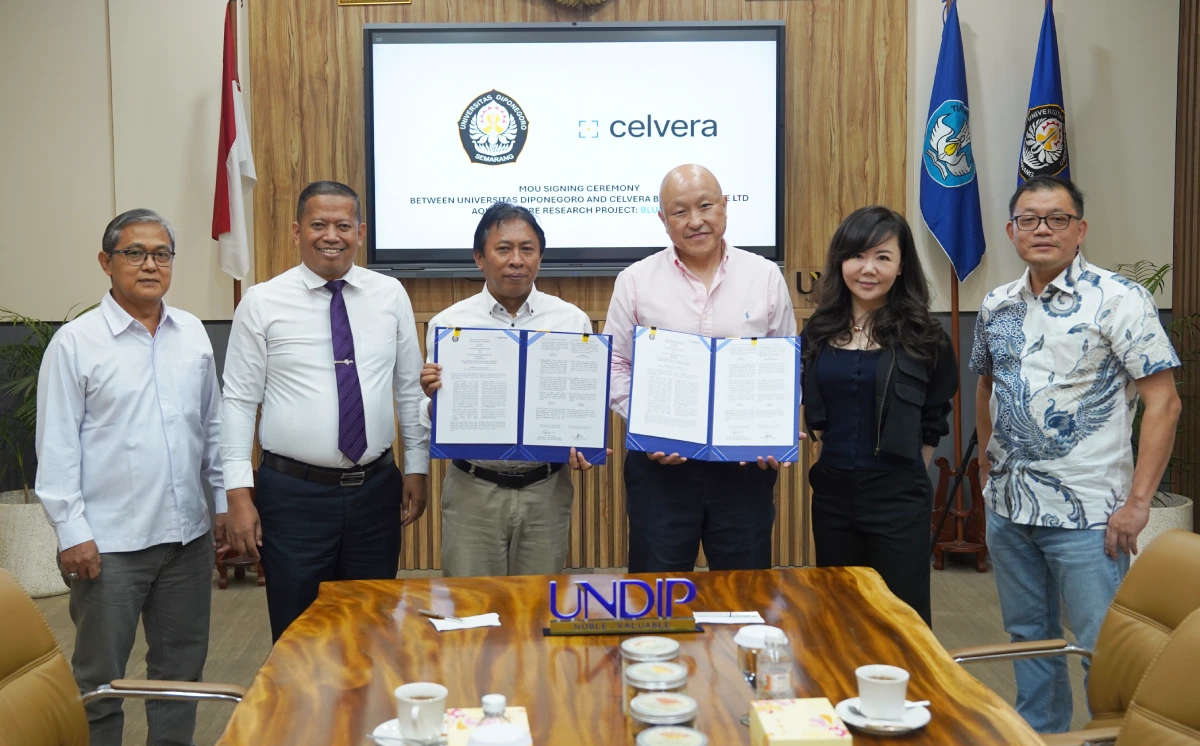
UNDIP, Semarang (14/10) – Universitas Diponegoro (UNDIP) continues to expand its strategic contribution as a university that is both noble and valuable, not only in regional development but also on the international stage. This commitment was reflected in the signing of a Memorandum of Understanding (MoU) between UNDIP and Singapore-based biotechnology company Celvera Biosystems PTE LTD on Wednesday (14/10) at the Rector’s Meeting Room, 2nd Floor, Widya Puraya Building, UNDIP. The strategic collaboration focuses on a joint research project entitled “Aquaculture Research Project: Blue Java.”
The collaboration was initiated as a concrete step in responding to the global environmental crisis, particularly issues related to waste management and aquatic ecosystems. Chief Operating Officer (COO) of Celvera Biosystems PTE LTD, Dina K. Dinata, stated that marine waste and degradation of aquatic ecosystems are urgent issues requiring immediate action. She noted that Universitas Diponegoro has strong environmental research potential that deserves wider public exposure.
“UNDIP already has a strong green campus foundation and outstanding environmental research. The next crucial step is to share these concrete actions on social media consistently. With the right storytelling strategy, digital publications can broaden their reach while also serving as an educational platform for the wider community,” Dina said.
Responding to this, Rector of Universitas Diponegoro, Prof. Dr. Suharnomo, S.E., M.Si., emphasized that the university’s commitment to environmental governance has already been translated into tangible actions with direct impact.
“We are a zero-waste campus that no longer sends waste to Semarang City’s landfill. All organic waste is processed into compost, meaning that 100% of our waste is now properly managed as a concrete step toward achieving our GreenMetric targets,” Prof. Suharnomo said.
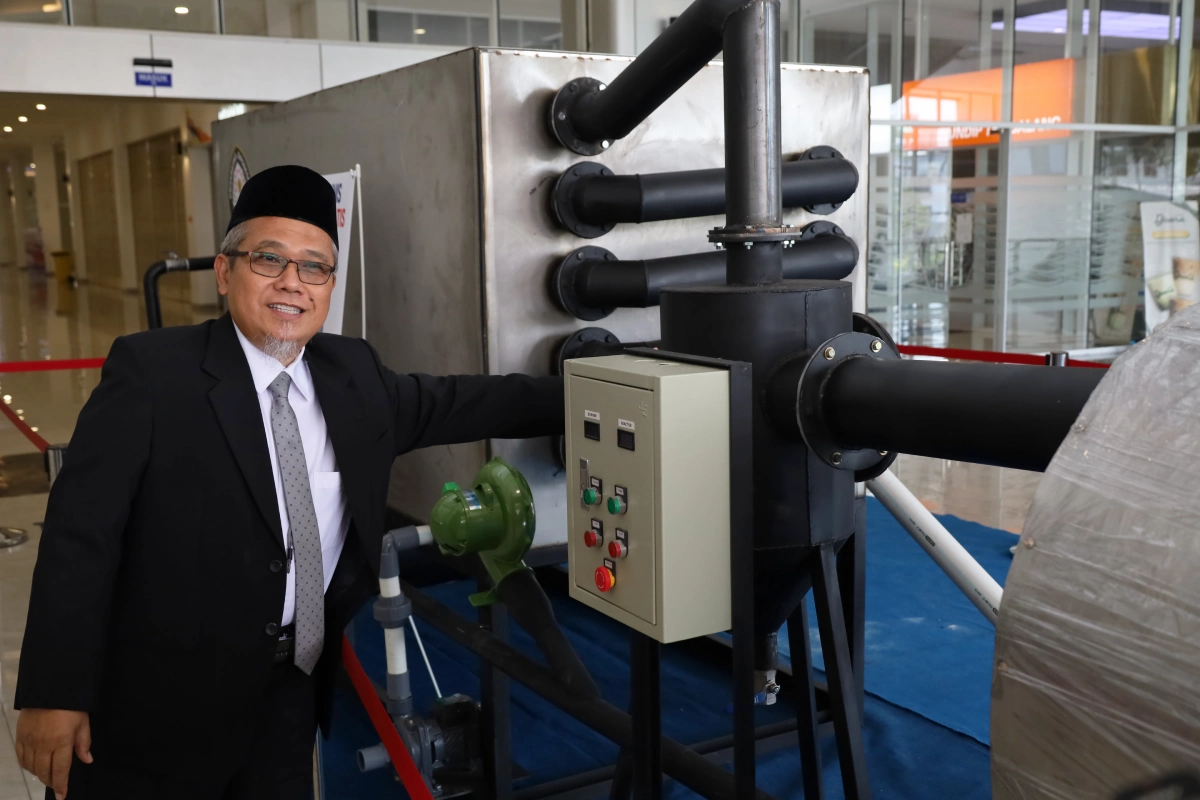
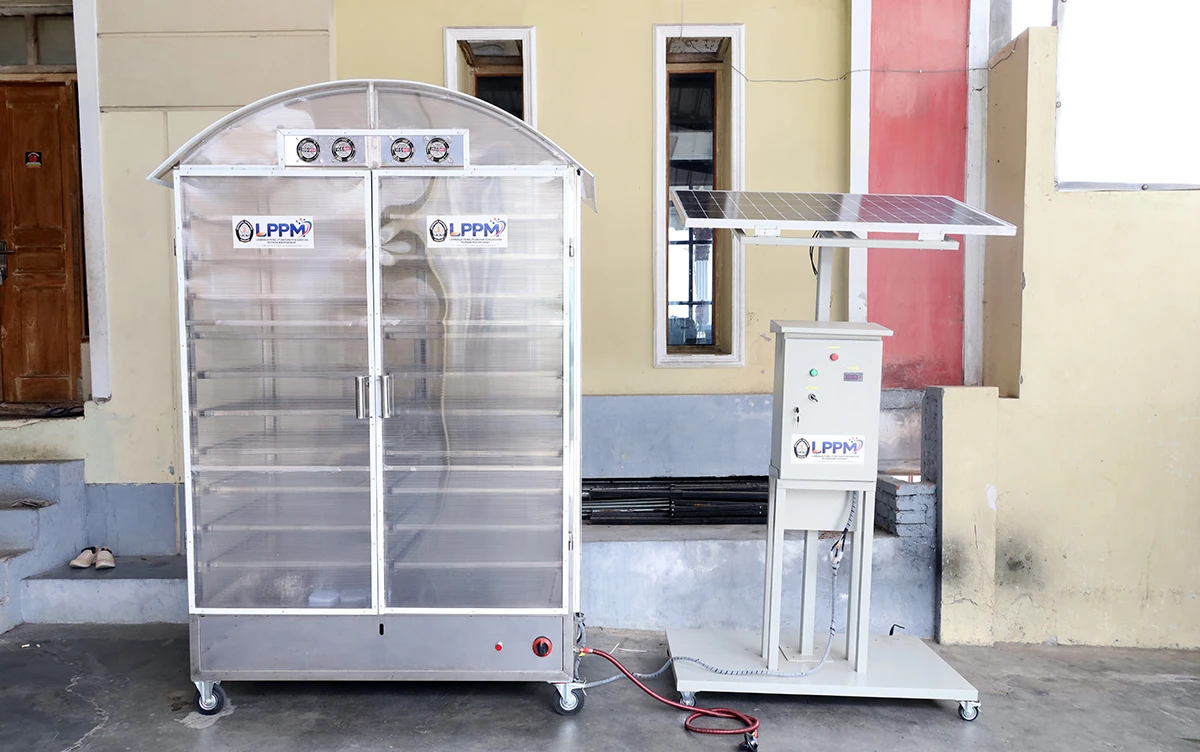
Beyond its internal environmental initiatives, he highlighted the university’s technological innovations that support national disaster response efforts. “We have been entrusted by the National Disaster Management Agency (BNPB) to provide treatment facilities in disaster-affected areas. At present, these facilities are operating at around 20 locations, including areas along the northern coast of Java and in Flores,” he added.
Recognizing the significant positive impact of the disaster-response projects already underway, the “Blue Java” collaboration is expected to become an important momentum for Universitas Diponegoro to broaden the reach of its public education efforts. Through the development of a dedicated publication media channel, UNDIP is committed to disseminating various concrete actions undertaken by the university in response to environmental crises. More than merely serving as a source of information, this strategic initiative is expected to inspire younger generations to contribute through research, create innovations, and take an active role in protecting the planet. (Public Communication/UNDIP/Arsy)