
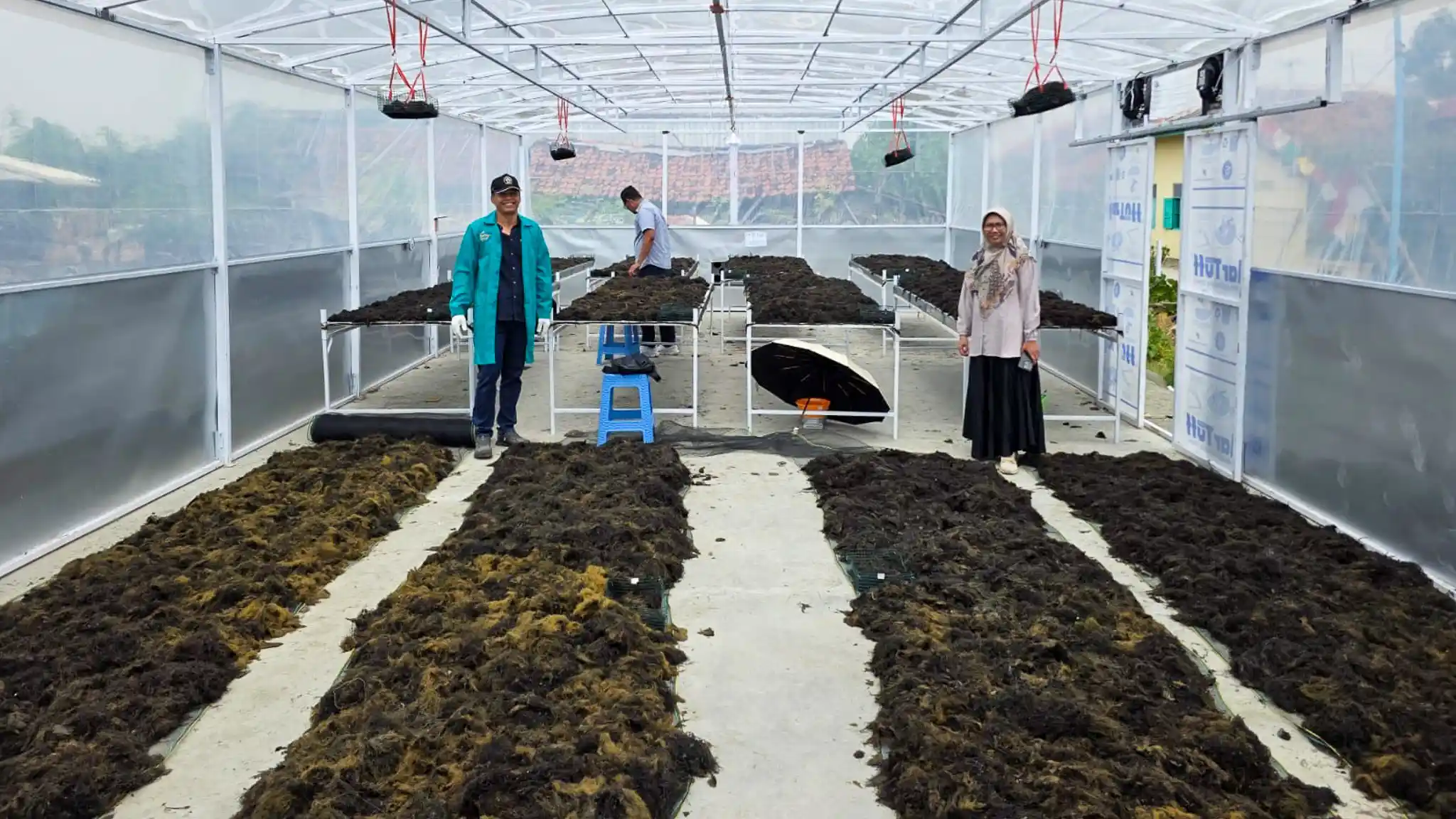
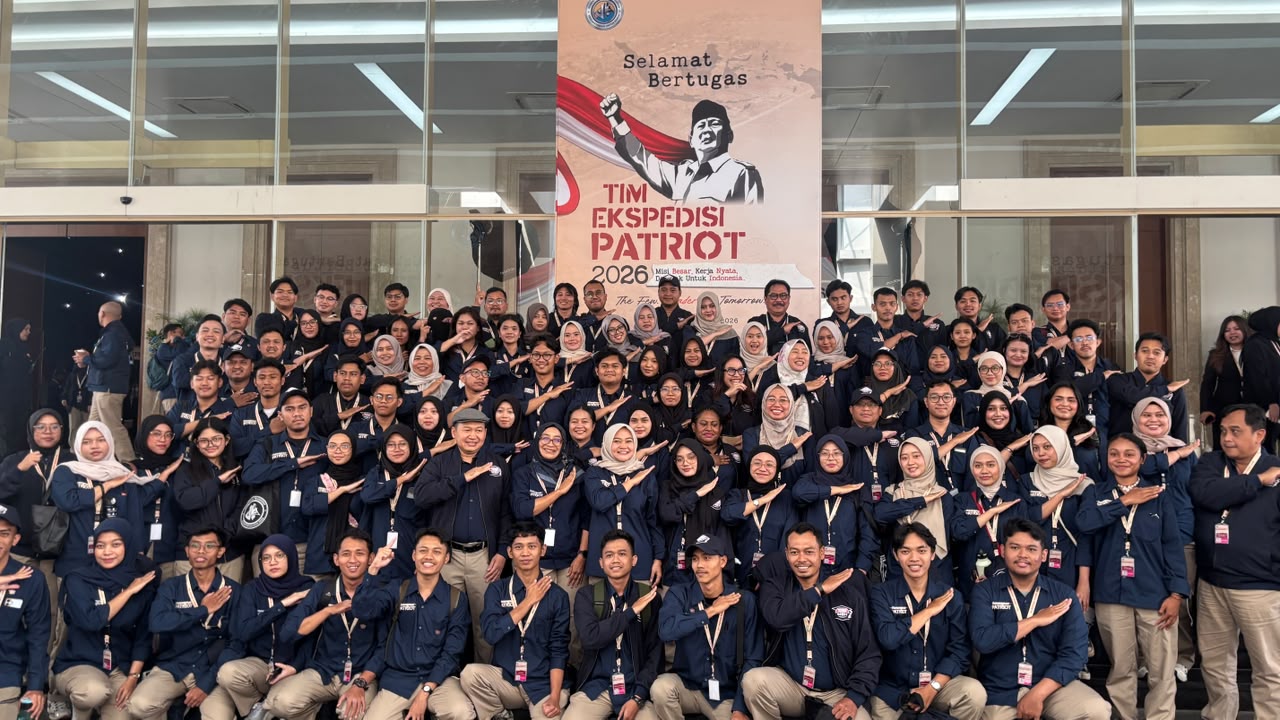
UNDIP, Jakarta (30/7) – Universitas Diponegoro (UNDIP) has once again been entrusted as one of the university partners of the Ministry of Transmigration of the Republic of Indonesia for the implementation of the 2026 Patriot Expedition. This year, UNDIP is deploying 24 teams, comprising 20 teams to the Senggi Transmigration Area in Keerom Regency, Papua Province, and four teams to several transmigration areas in South Sumatra Province.
The 2026 Patriot Expedition involves 1,476 participants from ten universities who will be assigned to 53 transmigration areas across Indonesia. Carrying the theme “A Great Mission, Real Action, Impact for Indonesia,” the program serves as a platform for collaboration among universities, the government, and communities to accelerate regional development through research, innovation, and science-based assistance.
Indonesia’s Minister of Transmigration, Muhammad Iftitah Sulaiman Suryanegara, explained that the current direction of transmigration development is no longer focused solely on population relocation. The government is encouraging transmigration areas to develop into new centers of economic growth by improving human resource quality, strengthening investment, and promoting downstream development of each region’s leading commodities and potential.
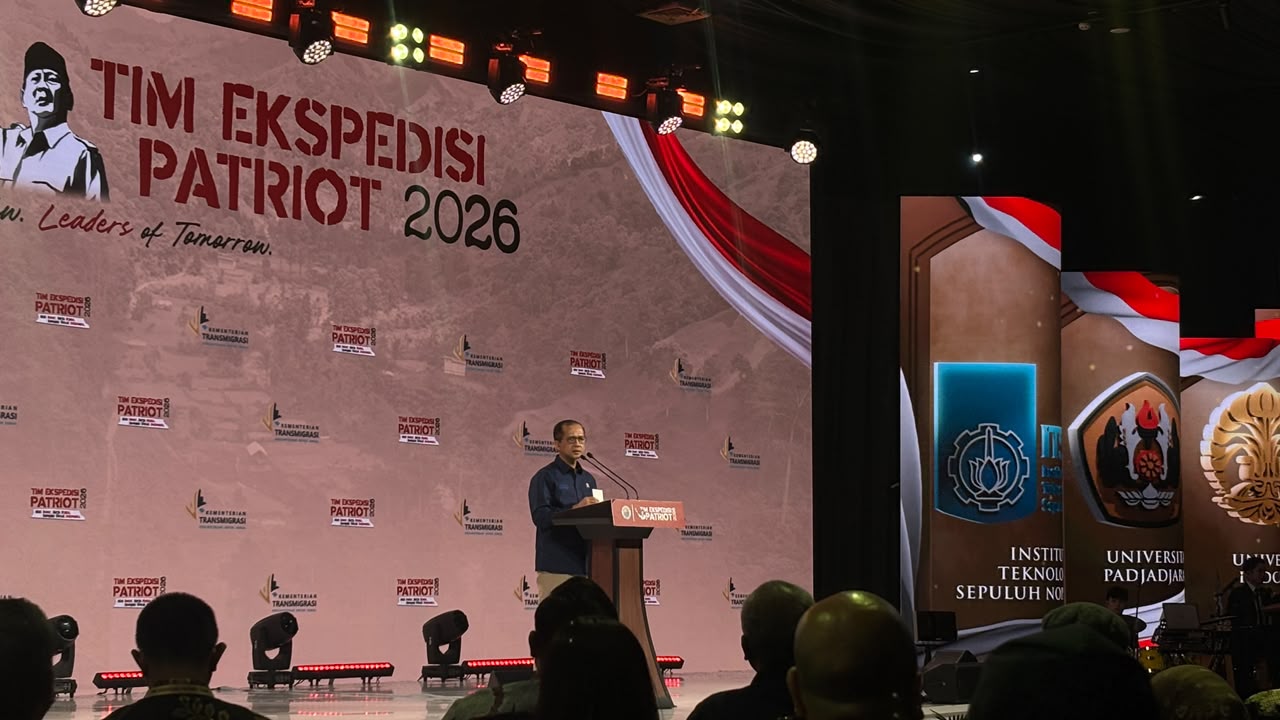
The 2026 Patriot Expedition is a continuation of the research and mapping activities carried out in 2025. During the previous phase, academics identified the potential, challenges, and development needs of various transmigration areas. This year, the program has entered the implementation stage through community assistance and the application of research findings in the field.
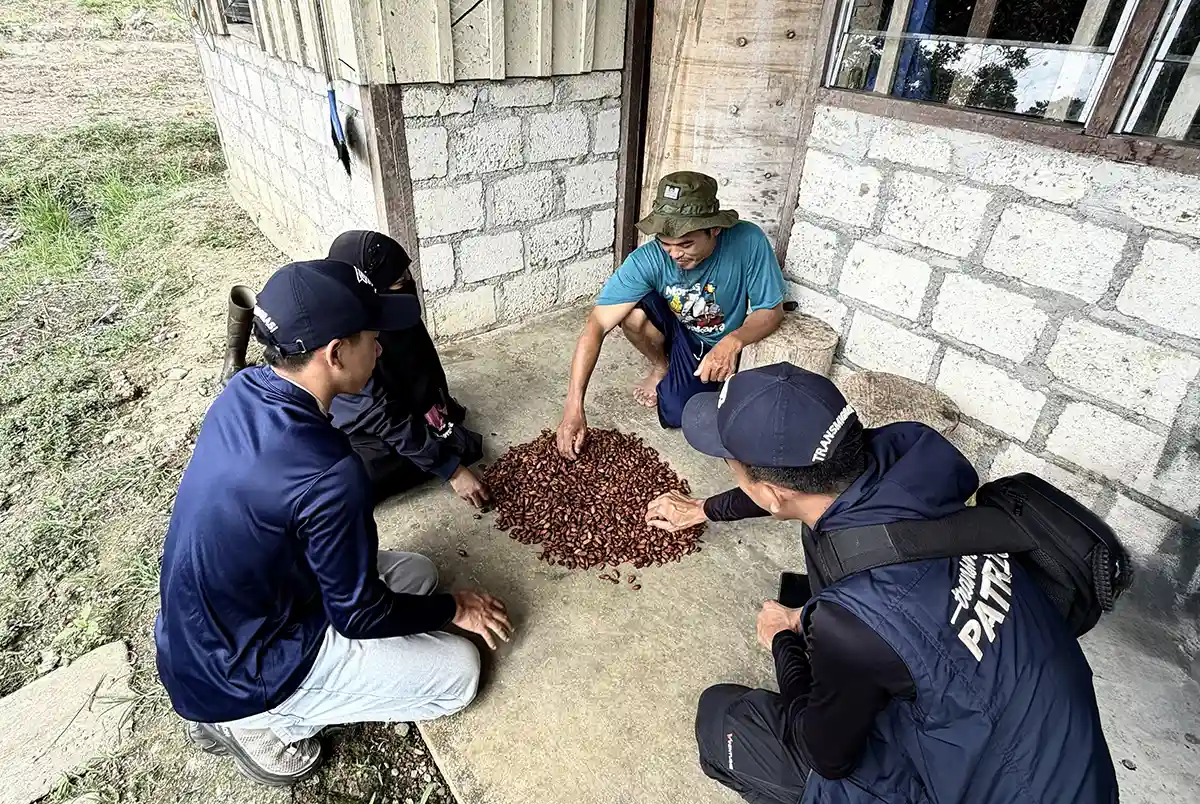
In the Senggi Transmigration Area, UNDIP’s Patriot Expedition Teams will implement a range of strategic programs tailored to local needs and potential. These programs include developing an economy based on leading local commodities, increasing agricultural and livestock productivity, and processing local products to enhance their added value for communities.
On this occasion, UNDIP Vice Rector IV Wijayanto, Ph.D., who attended the event accompanied by UNDIP Patriot Expedition Coordinator Prof. Dr.-Ing. Wiwandari Handayani, stated, “UNDIP is committed to creating tangible impacts through increased productivity, stronger local economies, enhanced community skills, greater added value of local commodities, and the development of evidence-based policies to achieve more equitable development. Indonesia’s outermost regions, particularly Papua, are a true test of that commitment.”
Meanwhile, Prof. Wiwik stated that UNDIP would be present in transmigration areas in South Sumatra as well as in Indonesia’s easternmost region, namely Senggi, Keerom Regency, Papua. UNDIP’s presence is intended not only to identify various problems and challenges but also to provide concrete solutions that promote more equitable development throughout Indonesia. This reflects the spirit of “Noble and Valuable UNDIP”—and UNDIP taking impactful action.
In addition, UNDIP teams will contribute to strengthening agrarian management and disaster mitigation, improving basic infrastructure services, and conducting sociocultural studies of interactions between transmigrant and Indigenous communities.
This multidisciplinary approach is expected to produce practical and sustainable solutions. The teams are not merely present to collect data but also to assist communities, strengthen local capacities, and formulate policy recommendations based on actual field conditions.
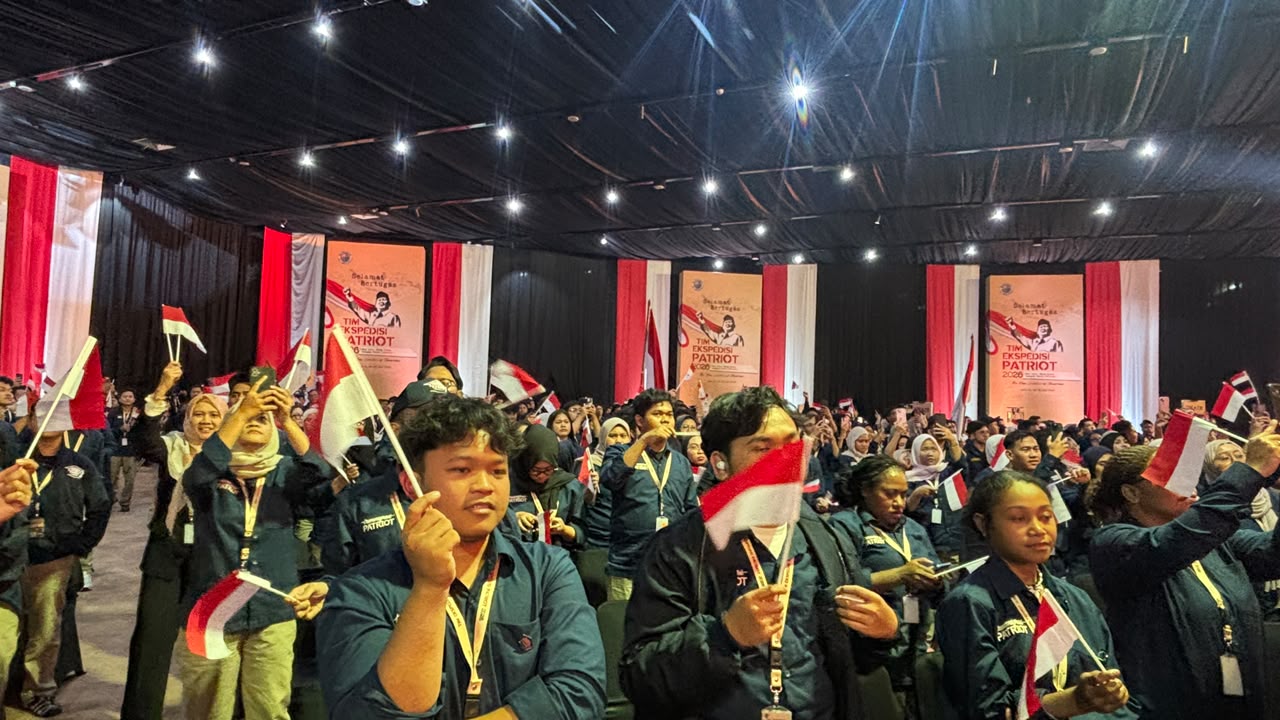
Before their deployment, all participants underwent a series of preparatory programs, beginning at UNDIP on July 21, 2026, followed by training at Green Forest Bogor from July 25–27, 2026, and a Ministerial Lecture at Balai Kartini, Jakarta, on July 29–30, 2026. Participants received training on regional development, leadership, community empowerment, entrepreneurship, communication, and economic development based on local potential.
Coordinating Minister for Infrastructure and Regional Development Agus Harimurti Yudhoyono emphasized that the Patriot Expedition Teams play an important role as government partners in providing up-to-date data from transmigration areas. Findings from the field can serve as evaluation material and as a basis for formulating more accurate, better-targeted development policies.
One of the UNDIP participants assigned to Senggi, Rifat Farhan, said that the Patriot Expedition provides students with an opportunity to apply their knowledge while learning directly alongside local communities. UNDIP teams are present to assist communities, implement innovations, and ensure that the recommendations developed genuinely reflect needs identified in the field.
At UNDIP, the implementation of the Patriot Expedition is coordinated by the Institute for Research and Community Service (LPPM), led by the Head of LPPM UNDIP, Prof. Dr.-Ing. Suherman, S.T., M.T., together with the Vice Head for Community Service, Prof. dr. Achmad Zulfa Juniarto, M.Si.Med., Sp.
The program also supports the achievement of the Sustainable Development Goals (SDGs), particularly SDG 1: No Poverty; SDG 2: Zero Hunger; SDG 8: Decent Work and Economic Growth; SDG 9: Industry, Innovation and Infrastructure; SDG 10: Reduced Inequalities; and SDG 17: Partnerships for the Goals. Through the 2026 Patriot Expedition, UNDIP reaffirms its commitment to delivering research and innovation that provide direct benefits to society. This is a tangible manifestation of the spirit of “Noble and Valuable UNDIP.” (Public Communication / UNDIP / Patriot Expedition Team)