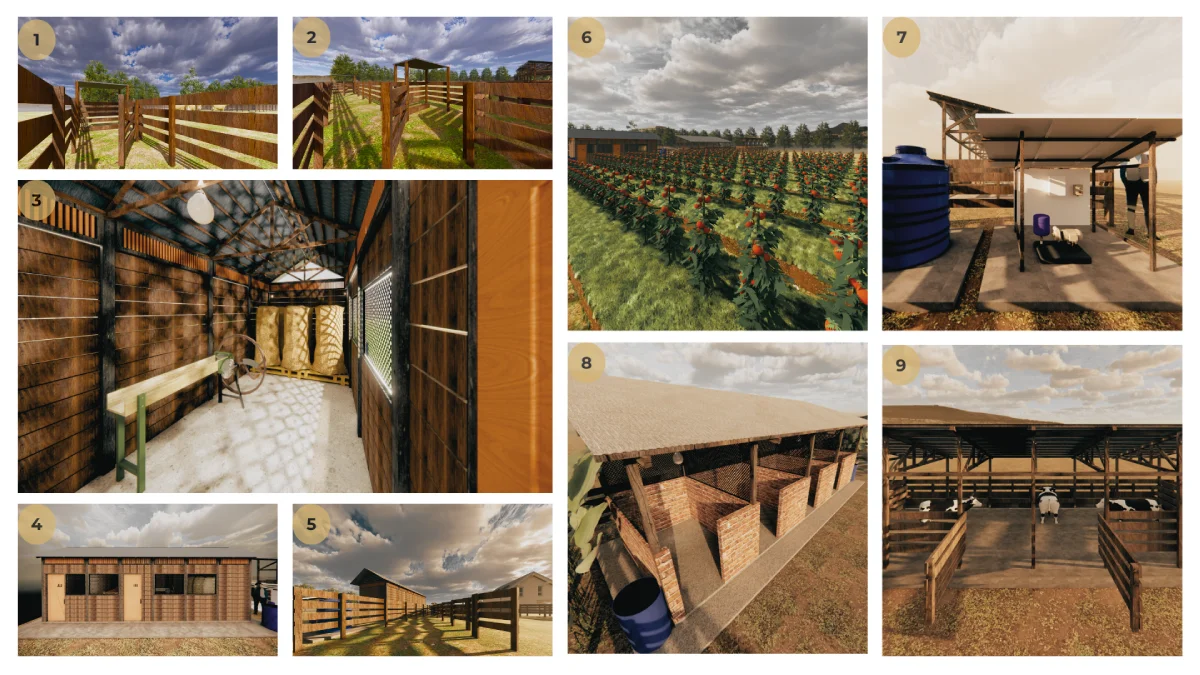
UNDIP, Senggi, Keerom Regency (1/10) – The Universitas Diponegoro Patriot Expedition Team (TEP UNDIP) has designed and implemented a communal livestock farming area based on integrated farming, called the Mini Ranch Patriot Perintis, in Woslay Village, Senggi District, Keerom Regency, Papua. This initiative was undertaken to address free-range livestock management, which has the potential to trigger social conflict between farmers and livestock breeders, while also optimizing livestock health and reproduction management in the area.
This collaborative effort by the UNDIP Senggi Patriot Expedition Team (Teams 15, 3, 7, and 12) began with a Focus Group Discussion (FGD) involving local farmers and livestock breeders at the Senggi District Multipurpose Hall. From this discussion forum, the Mini Ranch Patriot Perintis was developed not merely as a shelter for livestock, but as an integrated area that connects livestock farming, agriculture, waste processing, feed provision, water, and energy into a single sustainable ecosystem.
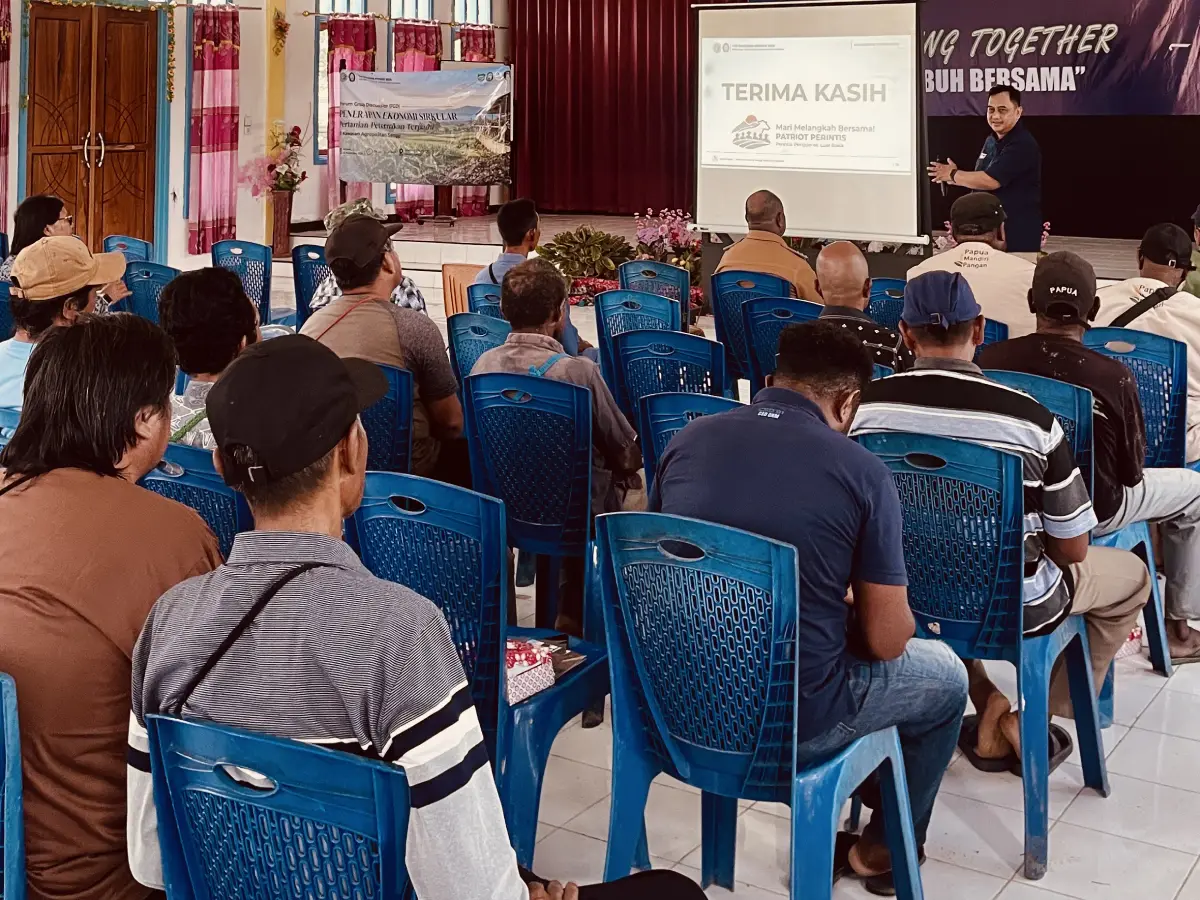
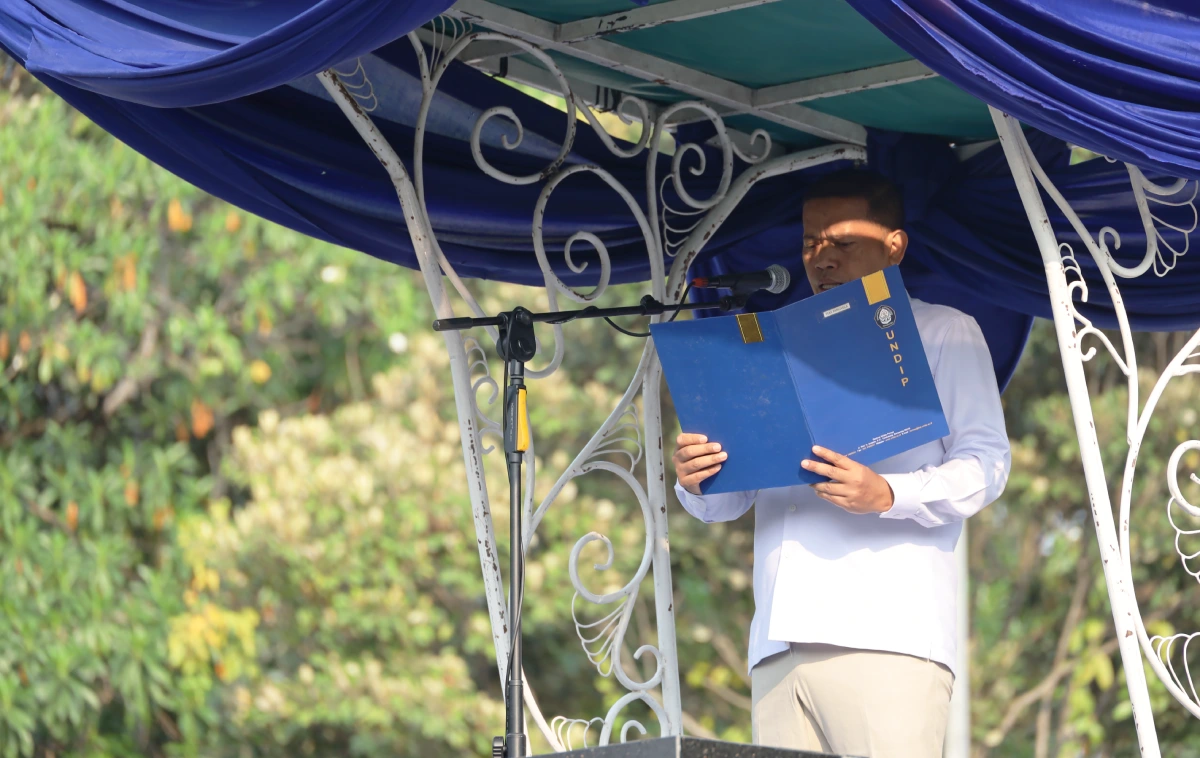
Hari, Head of Patriot Perintis, welcomed the development of this integrated area as a concrete step toward advancing Senggi’s livestock potential. “We have great hopes that in the future Senggi will have a flagship product emerging from the development of the Mini Ranch. We hope that the Mini Ranch will not only support livestock farming, but also become part of the development of the community’s economic potential in Senggi,” he said.
In line with this, Sriyono, a member of the Agricultural Extension Agency, emphasized the importance of a comprehensive and integrated approach to livestock management. “We are striving to ensure that the development of the livestock subsector is carried out comprehensively, starting from husbandry methods, improving feed quality, livestock health and reproduction, to waste management. In this way, every part of the livestock process can be managed better and provide benefits for the community,” Sriyono explained.
The main principle of the Mini Ranch Patriot Perintis focuses on a closed-loop system, ensuring that all resources are reused without generating waste. Activities begin with livestock maintenance in sheltered pens, where manure is collected and processed in the compost and biochar house using vermicomposting and EM4 (Effective Microorganisms 4) methods. The resulting organic fertilizer is then used to enrich greening areas and superior forage grass fields, which are subsequently processed into high-quality silage feed with longer shelf life to once again meet the nutritional needs of the livestock.
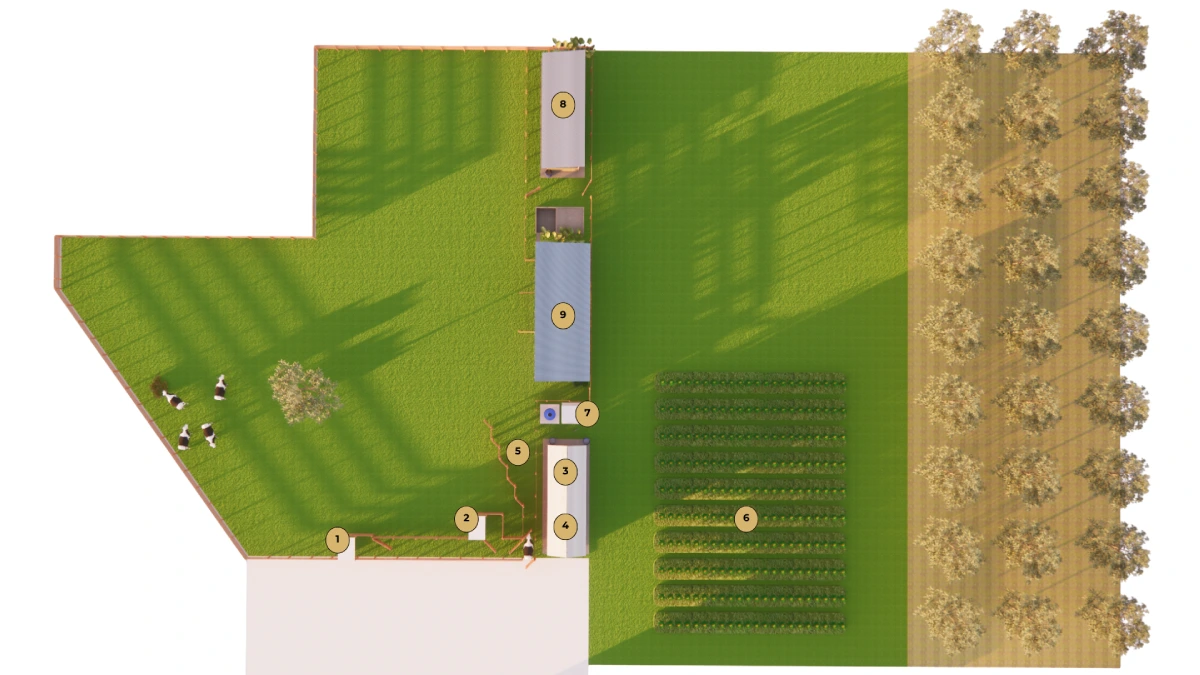
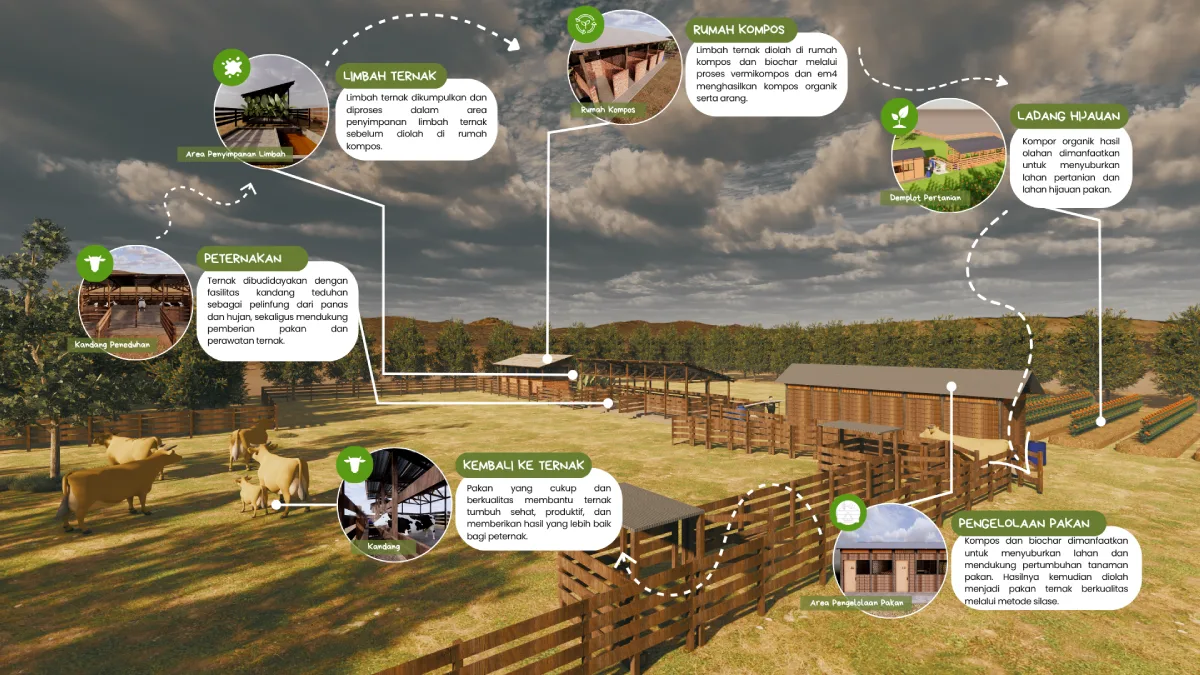
To support the entire cycle, the area is equipped with nine interconnected facilities arranged according to the natural contours of the land. These facilities include an isolation pen for monitoring sick livestock and preventing disease transmission; a maternity pen for reproductive management and to prevent inbreeding; a gangway to regulate livestock movement; a feed management area; an equipment storage unit; and a compost and biochar house. Water needs are met through a bore well with a solar-powered electric pump, while the shelter pen and greening area serve as the center for livestock maintenance and feed provision.
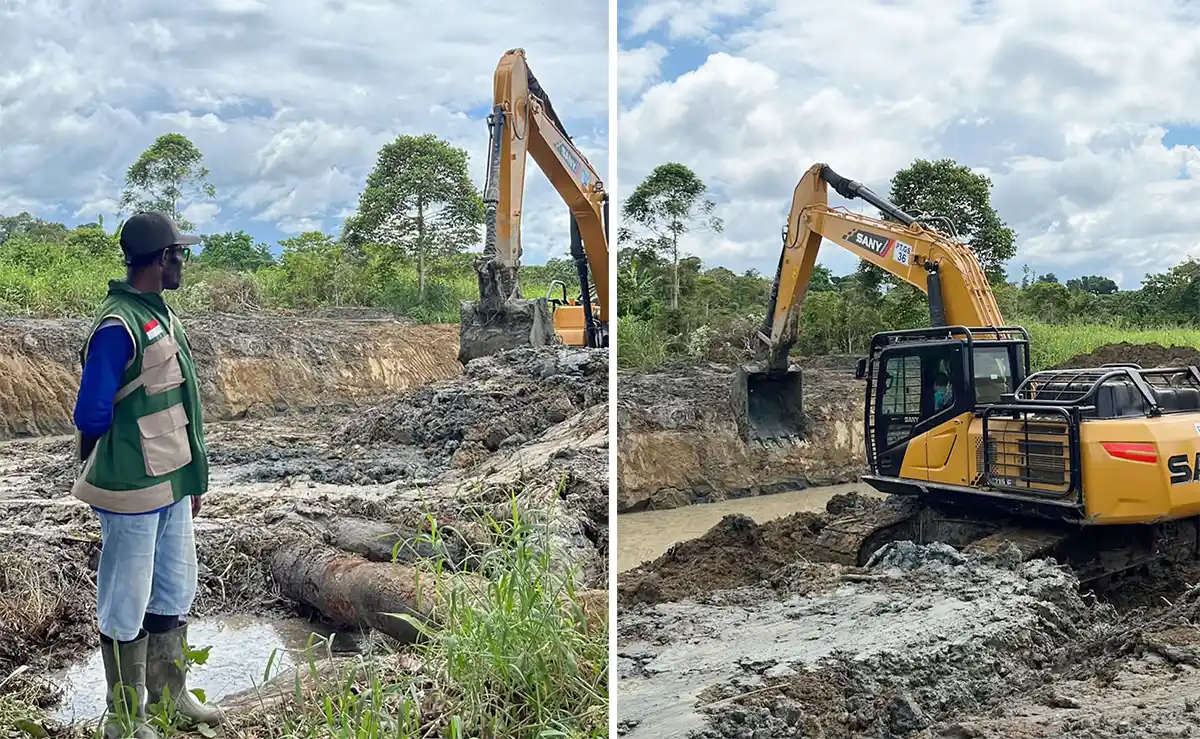
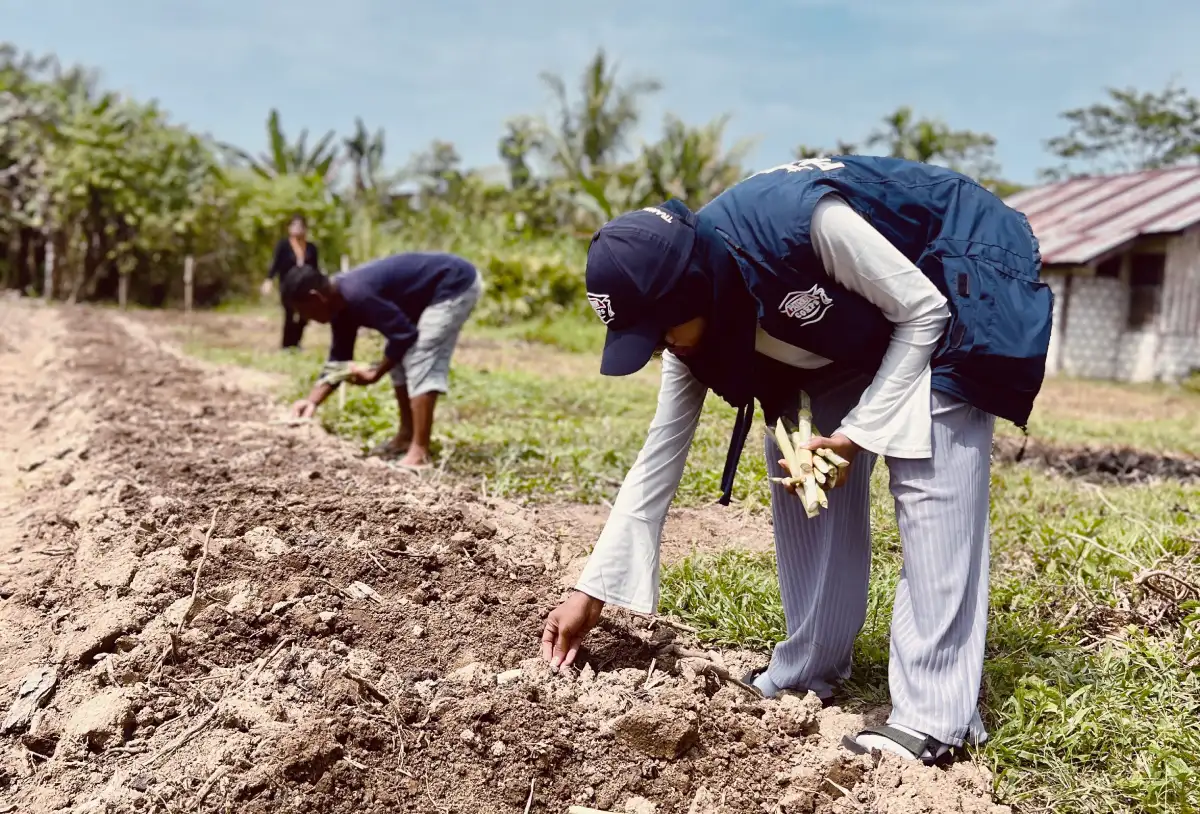
This shared commitment has progressed to the stage of physical construction in the field, beginning with measuring the demonstration plot area, clearing the site collectively and preparing forage beds. At present, development continues with the construction arrangement of the pen frame, feed storage, and compost house facilities. Through the FGD, TEP UNDIP has not only presented a design but also created space for collaboration, ensuring that the development of the Mini Ranch Patriot Perintis remains grounded in local needs.
This step aims to build an integrated farming ecosystem that sustainably links livestock farming and agriculture, while also providing added value for the people of Woslay Village. This academic approach is being gradually translated into real facilities to encourage community economic self-reliance based on agriculture, livestock, and the circular economy.
This integrated area development initiative also supports the achievement of the Sustainable Development Goals (SDGs), particularly SDG 2 (Zero Hunger) through strengthening agricultural and livestock productivity, SDG 7 (Affordable and Clean Energy) through the use of solar-powered water pumps, and SDG 12 (Responsible Consumption and Production) through the implementation of a circular production system based on zero waste. (Public Communication/UNDIP)