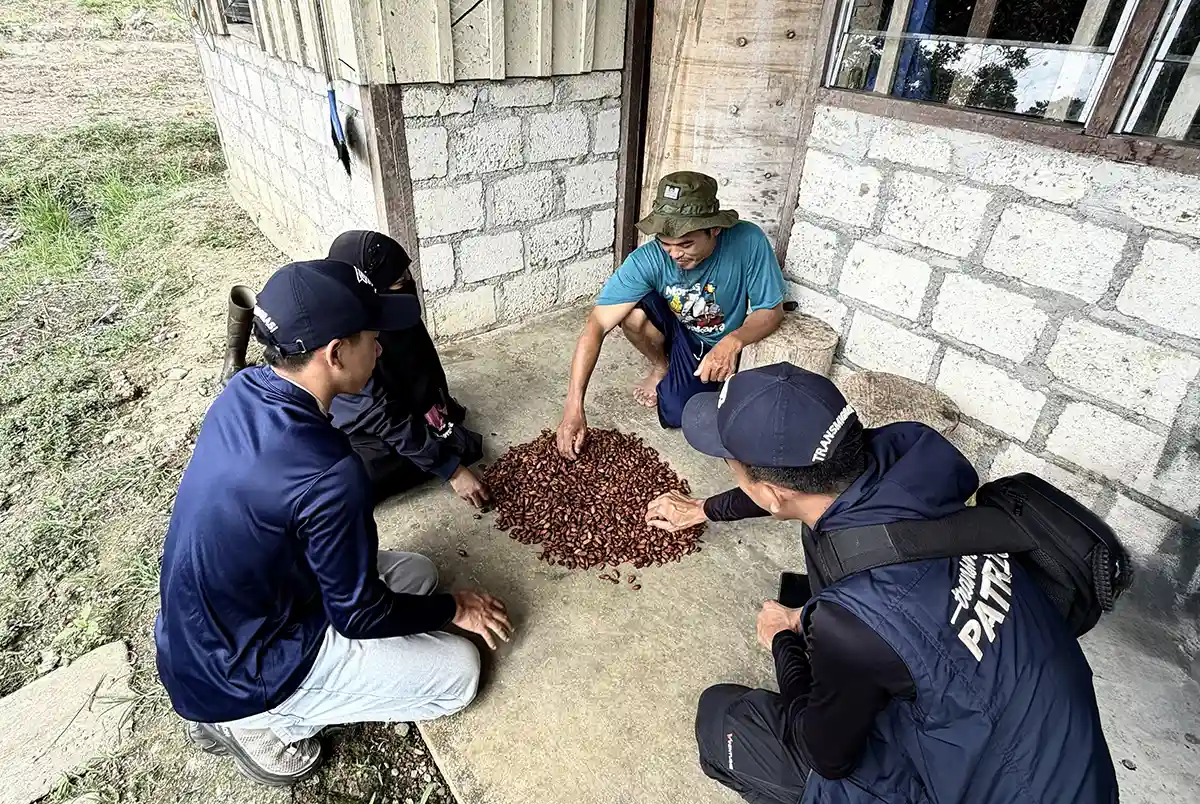
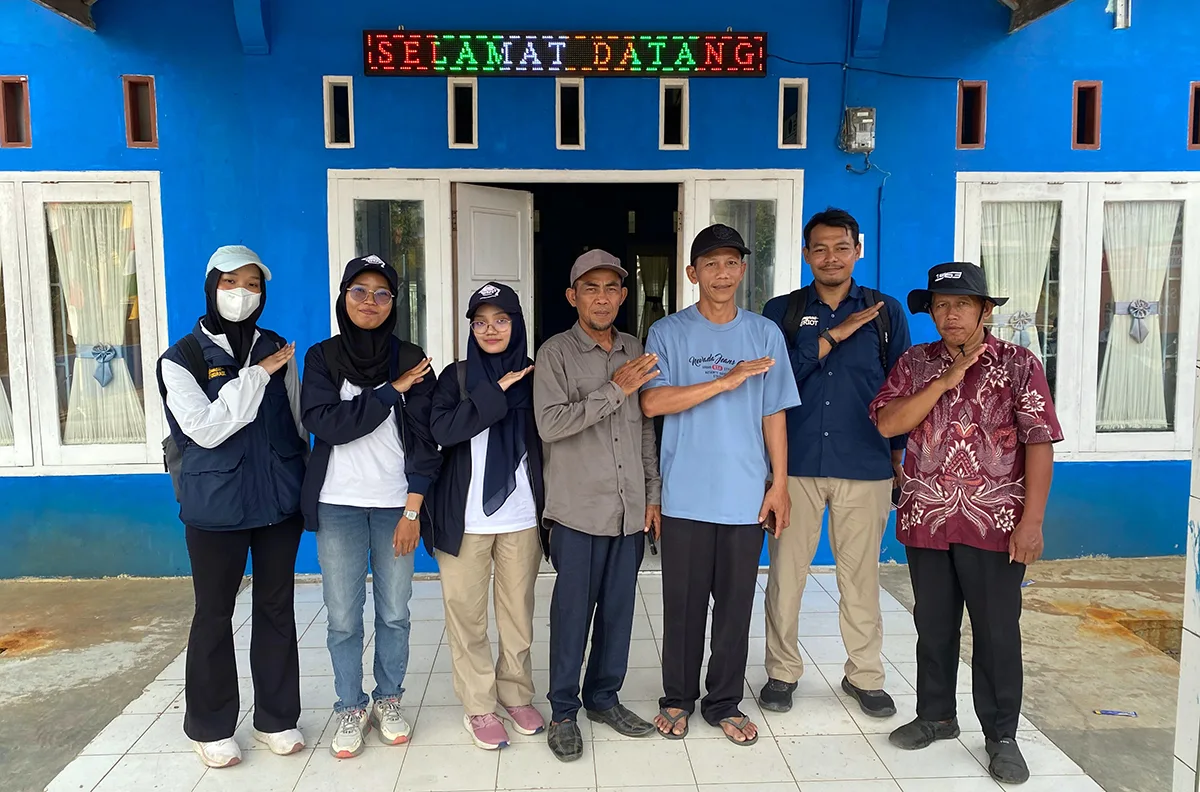
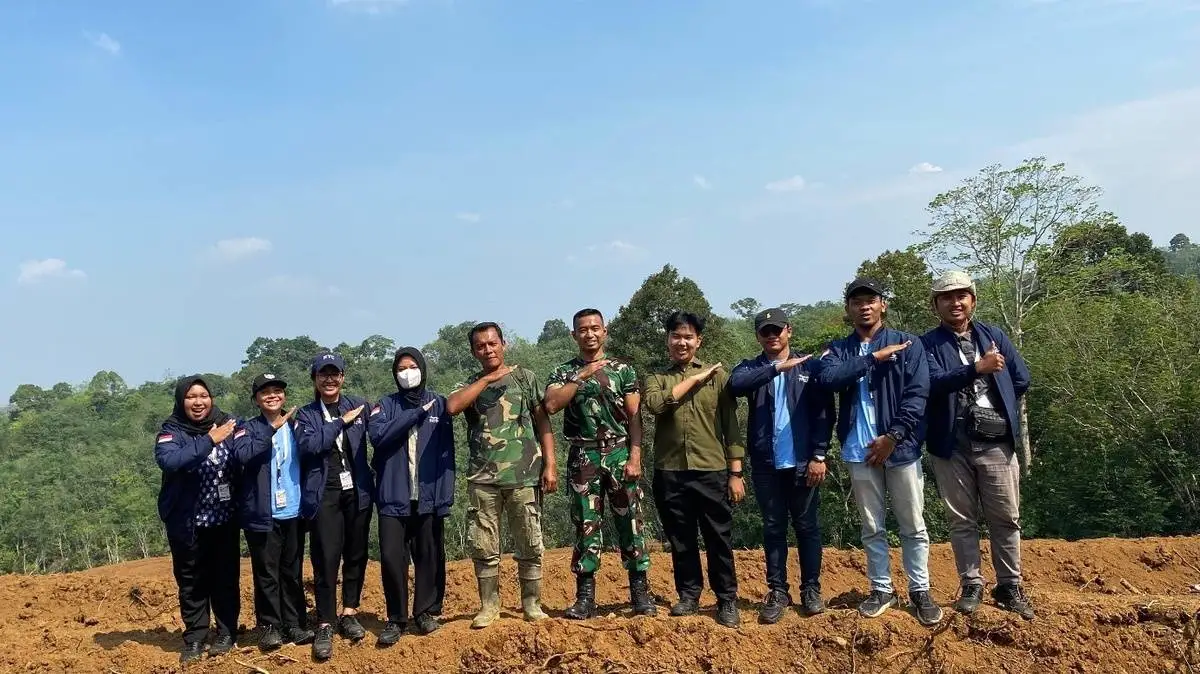
UNDIP, Rejang Lebong (November 26, 2025) – The Universitas Diponegoro Patriot Expedition Team continues to demonstrate its commitment to delivering tangible benefits to communities through assistance programs in transmigration areas. During activities conducted in Kota Padang Village and Tanjung Gelang Village, Kota Padang District, Rejang Lebong Regency, Bengkulu Province, the UNDIP team identified both key commodity potentials and infrastructure challenges that influence local productivity. This initiative aims to strengthen village economic capacity by mapping strategic commodities such as coffee, oil palm, and rubber, which serve as drivers of the local economy.
In Kota Padang Village, oil palm is the primary sector cultivated by residents. Purnomo, the General Affairs Officer who has served for two years and also manages oil palm farmland, described the significant potential of this commodity for local income. Marketing patterns involving local collectors contribute significantly to the village economy, though classic challenges persist—limited capital, restricted access to fertilizers, and the need to improve processing capabilities.
“Most farmers in this village manage privately owned land ranging from 0.75 to 20 hectares. However, weather fluctuations, pest attacks, and limited financing access have prevented optimal yields,” said Purnomo. Strengthening institutions such as village-owned enterprises (BUMDes), providing cultivation techniques training, and expanding access to capital are urgent needs to help farmers increase productivity and broaden their market reach.
Alubis, a collector who has been operating for five years, confirmed these dynamics. With an extensive purchasing network, he plays a crucial role in connecting farmers with markets. However, unstable prices and competition among collectors have created a demand for additional capital support. Nonetheless, his aspiration to expand into processing shows that opportunities for value-added commodity development remain open at the village level.
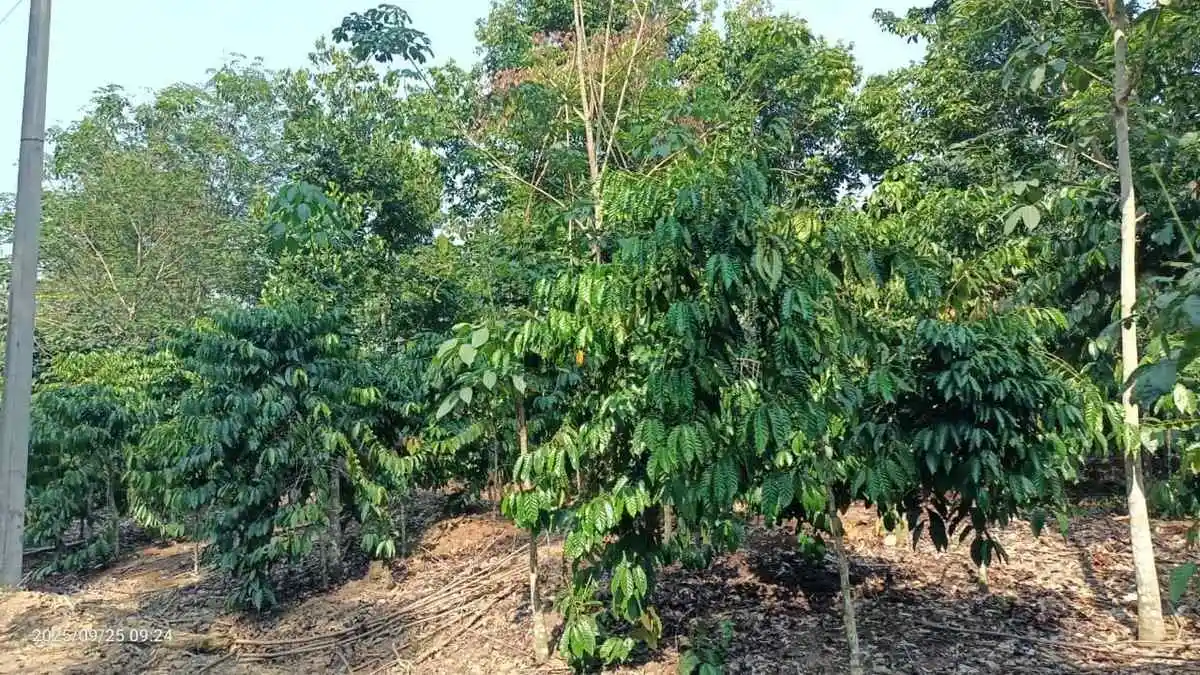
Meanwhile, in Tanjung Gelang Village, coffee is the prominent commodity. The Village Head, Sus Budaya, along with Government Affairs Officer Imam Safei, explained that the soil and climate conditions in the area strongly support the cultivation of coffee, oil palm, and rubber. “Farmers of various ages and educational backgrounds manage privately owned land up to protected forest zones, with coffee production reaching 300–3,500 kg per year,” said Sus Budaya.
The relatively stable prices indicate that coffee holds promising growth prospects. However, the continued use of traditional technologies, limited capital, and pest disturbances remain challenges that must be addressed collectively. Technical assistance, increased access to capital, and stronger farmer groups are expected to improve both the quality and quantity of production.
Sus Budaya, who also works as a collector with over a decade of experience, has a storage capacity of up to 6 tons of coffee and 1 ton of rubber. He performs quality sorting before distributing the products to major collectors. Nevertheless, he acknowledges the need for additional capital to maintain business stability amidst market price uncertainties.
Findings from the UNDIP Patriot Expedition Team highlight that Kota Padang District possesses substantial social capital and rich commodity resources with significant development potential. Through collaboration between village governments, farmer groups, BUMDes, and university-led assistance, this transmigration area has the opportunity to build a more robust and sustainable commodity value chain.
This expedition reflects UNDIP’s contribution to strengthening village economic independence and ensuring that universities remain part of the solution for communities, in line with its commitment to becoming a noble and valuable institution. (Public Communication/UNDIP/Team 1 Patriot Expedition Rejang Lebong; Ed. DHW)