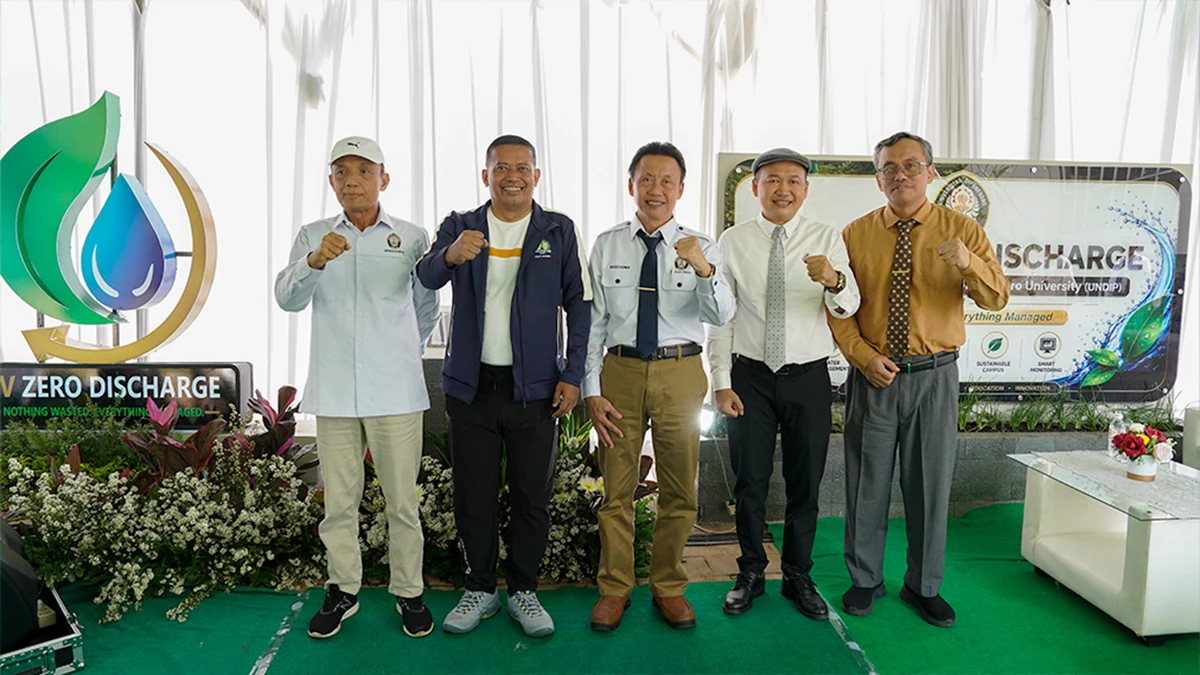
UNDIP, Semarang (22/6) – Waste management and the reuse of rainwater and domestic wastewater remain significant challenges for many educational institutions. In response to these issues, the Vocational School of Universitas Diponegoro (UNDIP) has launched the SV Zero Discharge Program, an integrated water, energy, and waste management system that embraces sustainability under the tagline “Nothing Wasted, Everything Managed.”
The program was developed as part of the Vocational School’s transformation into a World-Class Vocational School by strengthening its Sustainability and Social Impact ecosystem. SV Zero Discharge is designed to reduce dependence on groundwater, minimize waste leaving the campus, and promote circular-economy principles by converting waste into valuable resources.
Dean of the UNDIP Vocational School, Prof. Dr. Ir. Budiyono, M.Si., explained that sustainability is one of the global identities the school seeks to instill in its graduates.
“In the future, our graduates will need not only technical competencies but also a strong commitment to sustainable development and clear evidence that they can create benefits for society. Therefore, sustainability and social impact have become integral parts of the global ecosystem we are developing within the Vocational School,” he said.
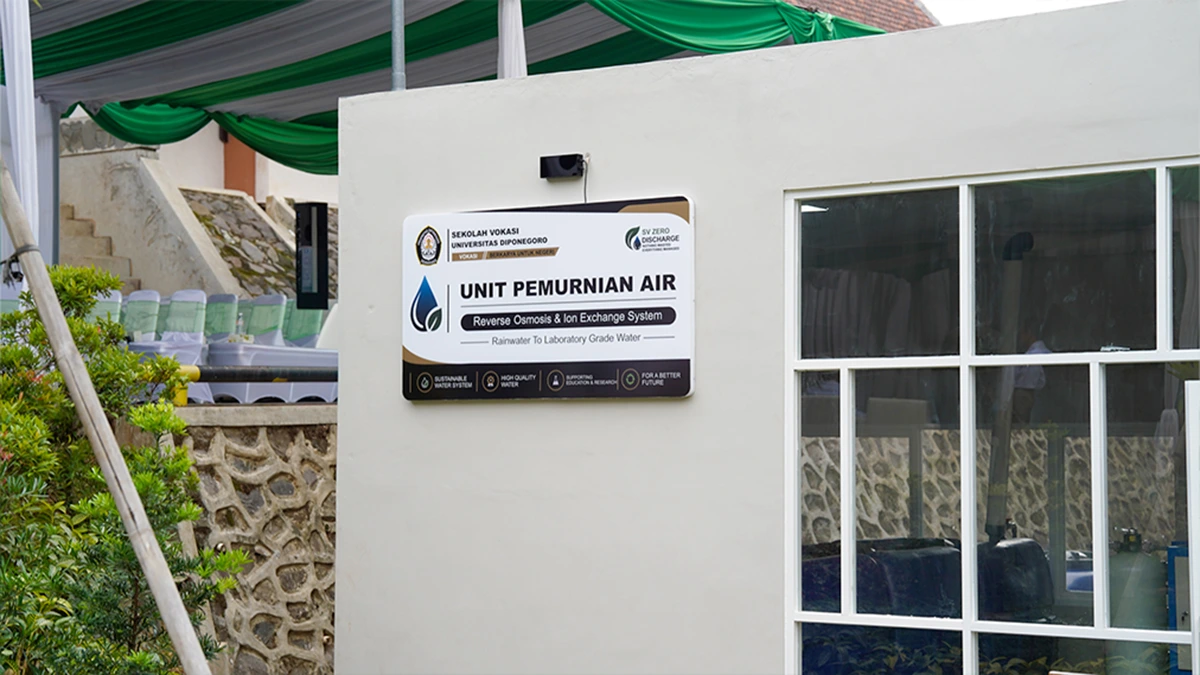
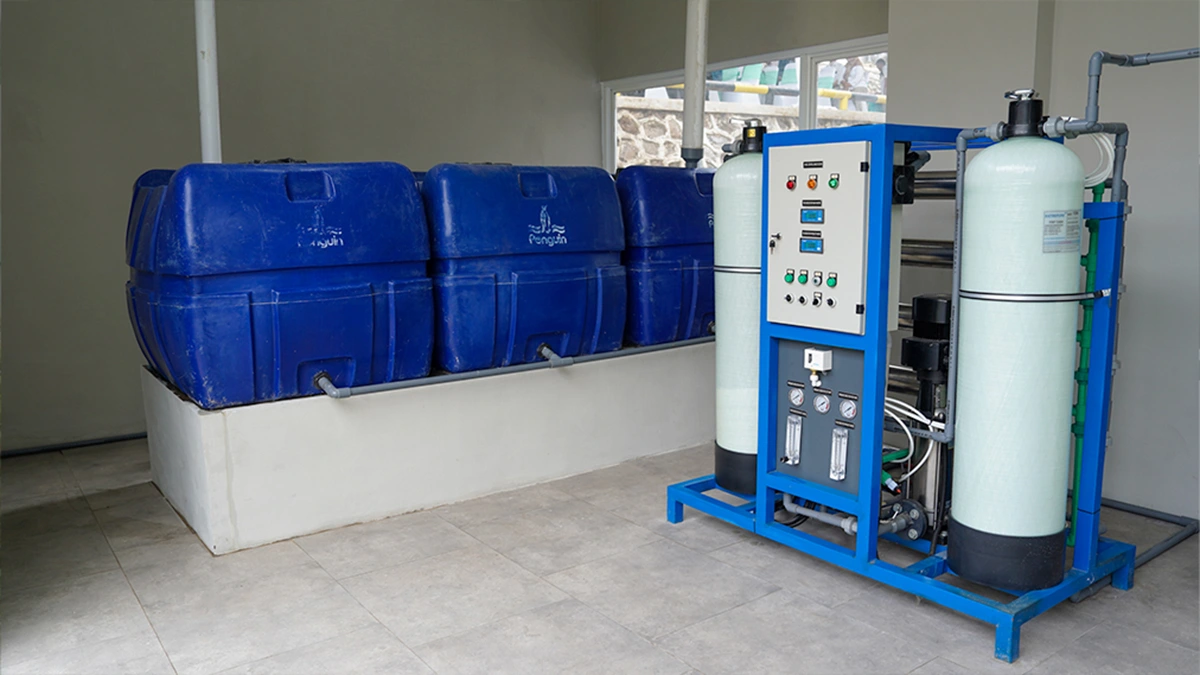
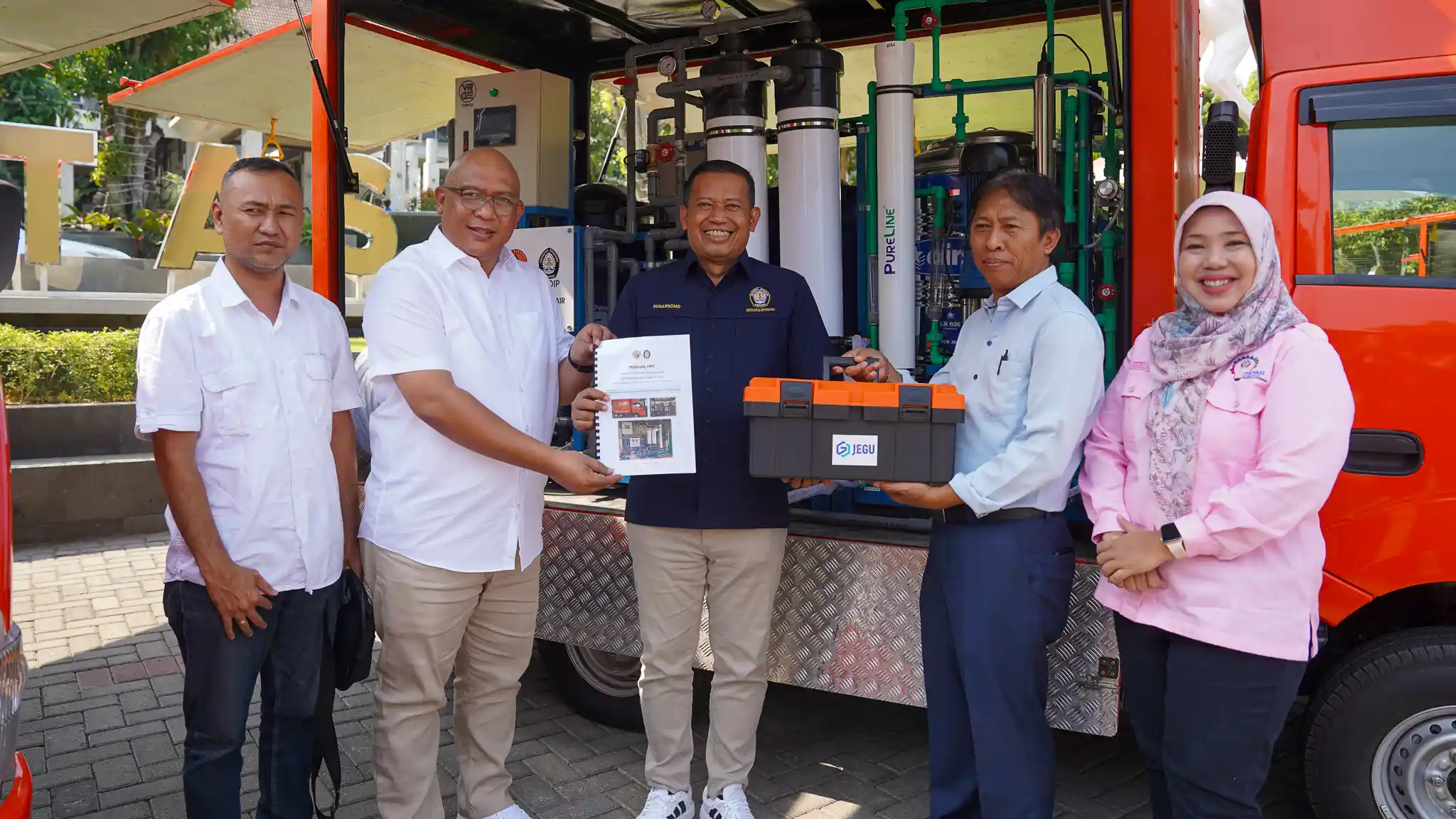
Through this program, rainwater is harvested and reused for domestic campus needs or further treated to meet laboratory-grade water standards. Domestic wastewater from bathrooms and toilets is processed through a wastewater treatment system and reused for irrigation and toilet flushing.
In the waste management sector, organic waste from campus cafeterias is converted into biogas for cooking fuel, while the residue is used as fertilizer. Plastic waste and used bottles are also repurposed to support learning and research activities, including the development of products made from recycled materials.
Chair of the SV Zero Discharge Program Implementation Team, Ir. Hanggoro Iskandar Putra Wijaya, M.T., stated that the entire management system is monitored through an Internet of Things (IoT)-based dashboard, enabling real-time monitoring of waste volumes, recycling rates, and facility conditions.
“Waste is no longer viewed as garbage but as a resource with valuable utility,” he said. According to Hanggoro, this approach is implemented through five sustainability pillars: rainwater management, reclaimed water utilization, integrated waste and wastewater management, surface runoff reduction (zero runoff), and the circular economy.
In addition to the program’s inauguration, the UNDIP Vocational School also held an SV Zero Discharge Commitment Declaration, attended by university leaders, faculty members, administrative staff, students, and student organizations, including the Student Executive Board (BEM) and Student Senate. Through the declaration, the Vocational School community committed to managing water resources responsibly, reducing energy waste, implementing sustainable waste management practices, and developing innovations, learning activities, research, and applied solutions that benefit society, industry, and the environment.
UNDIP Rector Prof. Dr. Suharnomo, S.E., M.Si., expressed his appreciation for the Vocational School’s initiative, noting that it demonstrates sustainability in practice rather than merely as a concept.
“It is time for universities to demonstrate tangible sustainability practices. The Vocational School has provided an excellent example that can be replicated by other faculties and schools within UNDIP,” he remarked.
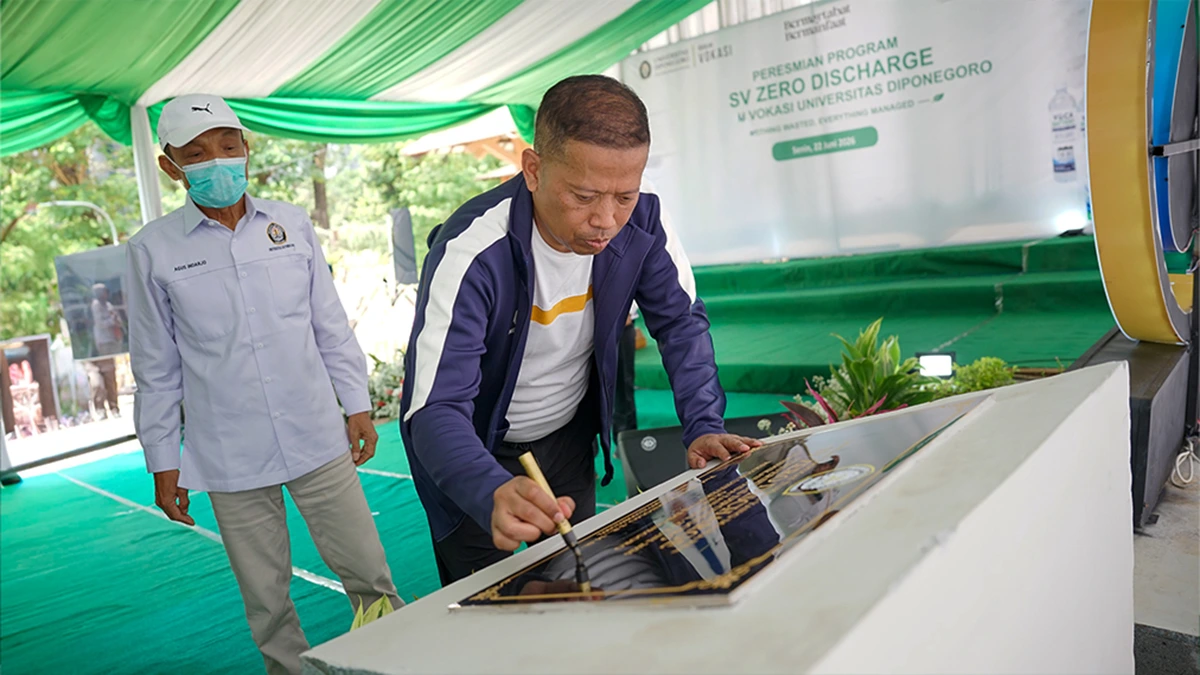
Prof. Suharnomo hopes that the SV Zero Discharge initiative will become a broader model for resource management across UNDIP while supporting efforts to reduce groundwater consumption and improve responsible waste management. The program is also expected to serve as a living laboratory for sustainability, where members of the academic community can learn, conduct research, and develop innovations that advance the Sustainable Development Goals (SDGs). (Public Communication/UNDIP/Hng)